The pork industry is experiencing diseases and uncertainties worldwide. Romania cannot provide half of the necessary


The global pork industry is affected by diseases and uncertainties, and the new consumption trends risk aggravating the situation. In Romania, domestic production covers less than half of the consumption requirements.
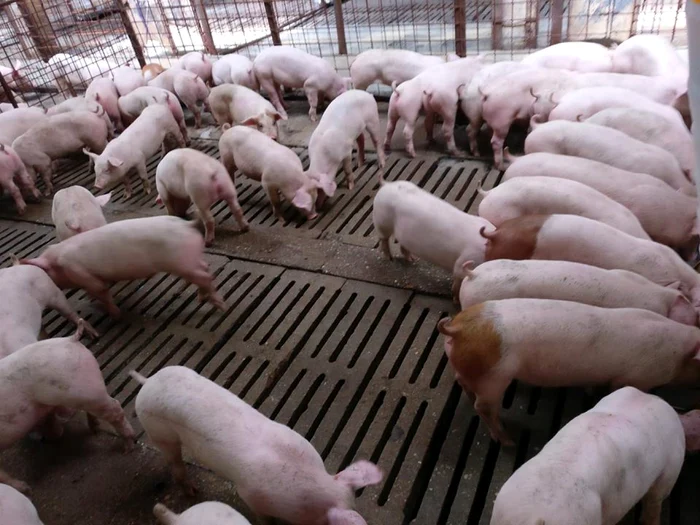
The pork industry is experiencing worldwide diseases and uncertainties
Given that the main world importer of pork is China, any escalation of the tariff dispute could dramatically affect US export exports, points out Etoro Bogdan Maioreanu analyst, stressing that diseases are another challenge that industry is facing. “Above all, changes in consumption habits could bring additional uncertainty in this sector ”, is shown in the analysis.
US and EU are the main world exporters of pork. The World Pork Market in 2025 is estimated at about $ 407 billion, with a modest increase of 2.3% per year, against the background of complex regional dynamics faced by the industry. It is expected that it will reach $ 456 billion by 2030. While the Asia-Pacific area continues to dominate with 58% of world consumption, Europe has significant structural challenges that reshape the continental market landscape.
The European pork industry is facing a structural decline determined by the African swine fever (PPA) outbreaks, stricter environmental regulations and growing production costs, which undermine its global competitiveness. Consumer passing to lower meat consumption, animal welfare pressures and export challenges due to higher EU prices compared to Brazil and US, lead to reduction of production and strengthening the market throughout the continent.
Romania's self -sufficiency rate reached 45%
Romania is a net importer of pork, while domestic production has been affected by epidemics in recent years. According to the Association of Pork Manufacturers, between 2017 and 2025, Romania reported the largest number of outbreaks of swine flu (PPA) in EU domestic pigs – over 7,000 out of about 12,700 in total. The outbreaks mainly affected the farms, but also had an impact on commercial farms, leading to the sacrifice of over 1.8 million pigs at national level. Romania's self-sufficiency rate in terms of pork decreased from 70% in 2015-2016 to only 45% in 2024, with considerable imports to meet internal demand. Between 2013 and 2024, Romania registered the fastest rate of growth of pork imports between the main importing countries, with an average annual growth rate of 7.7%, and the highest value of imports from the EU, of 11.2% per year.
According to the data provided by the National Institute of Statistics, the price of pork increased by 4.48% compared to July of the previous year.
Exports of Europe have grown up very
Exports of pork from the EU to third markets have a mixed image. They reached 1.8 million tonnes in the first five months of 2025, registering an increase of 1.8%, but the block risks losing the market share worldwide, the exports being estimated to decrease by 3% in total in 2025. The reasons are related to the disadvantages related to the price and by the inquired anti -dumping survey (extended until December 2025) reprisals against EU taxes on Chinese electric vehicles. Spain maintains its position as the largest exporter in the EU, with over 608,000 tonnes (+11 %), followed by the Netherlands and Denmark, while Germany went down fourth after the restrictions imposed at the beginning of the year due to aphthous fever. In addition, African swine flu (PPA) continues to be a challenge for European producers.
US is experiencing a high rate of mortality of sows
On the other side of the Atlantic, the US pork industry is experiencing persistent challenges due to the high rate of mortality of sows, which exceeds 16% due to PRRS outbreaks (respiratory and reproductive pigs), labor deficit and continuous normative pressures that increase the production costs. The vulnerability of exports due to the pricing risks in China, the intensification of global competition from Brazil and the tendency to decrease domestic consumption among young consumers threatens the long -term profitability, despite the recent price recovery. Analysts believe that the prospects of the US pork industry for 2025 have a moderate growth image, price recovery and with a resilient internal demand, despite persistent export challenges and global competition.