One of the most famous monuments in the world, in India, dedicated to love, becomes a symbol of division

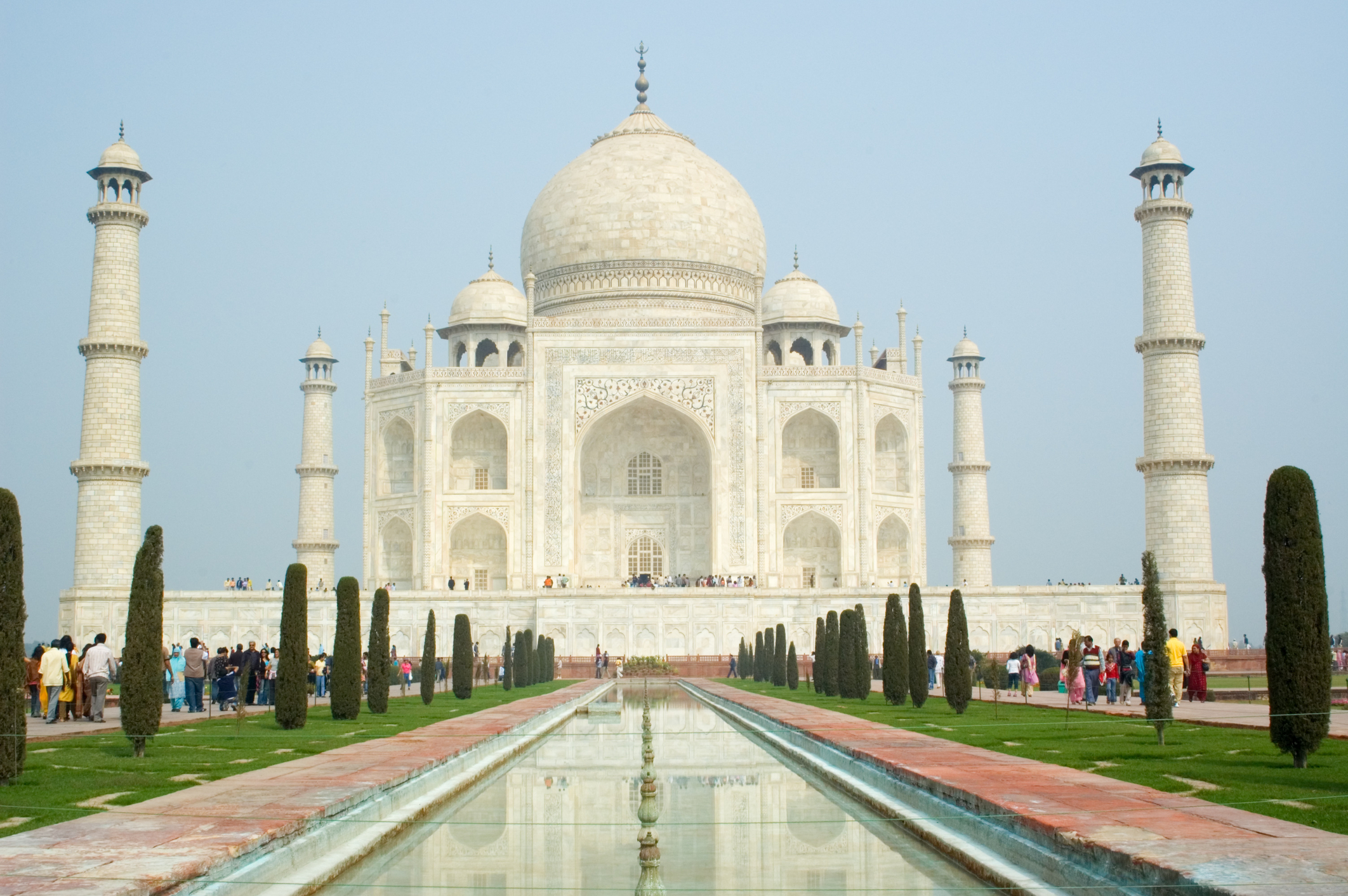
Taj Mahal, Adra, India. Photo: Dreamstime
A film about the Taj Mahal, the story of which has become “a collage of conspiracy theories”, denies the Islamic origin of the monument dedicated to love in Agra and says that, in fact, the wonderful pink stone funeral palace, known throughout the world, was built by Hindus.
Although the majority of the country is Hindu, India has a substantial Muslim community. There are 200 million, the most Muslims in the world in one country, after Indonesia and Pakistan. The history of Muslims in India has seen centuries of social, cultural and religious life in harmony with the majority Hindu population, interrupted by episodes of violence.
In recent years, the increasingly nationalist politics of the administration in New Delhi has placed Muslims on constant alert.
“The Taj Story”
The Muslim community in India, as well as large parts of society, are now caught in a strong controversy, after a Bollywood film turned the Taj Mahal, a monument of love for his dead wife, built in 1631 by a Mughal emperor, into a point of division, CNN website writes.
Titled “The Taj Story” and released in October, Indian director Tushar Goel's film challenges the hitherto universally embraced history of one of the world's most famous monuments of love.
Taj Mahal, a Hindu palace
The director advances a theory widely rejected by historians: that the 17th-century Taj Mahal is not a Muslim mausoleum, but a Hindu palace, captured by Islamic rulers and “repurposed” for their own purposes.
The Indian Express newspaper he wrote in a review that the film “merely stirs the spirits, mixing fact with fiction to serve an agenda far removed from historical research”.
Those critics say the bill mirrors the ideology of the Hindu nationalist Bharatiya Janata Party (BJP), which has been accused of Islamophobia and fueling tensions between the various religions that coexist in the world's largest democracy.
“Failed Propaganda”
Paresh Rawal, the actor who plays Das in “The Taj Story,” is a former BJP lawmaker, though Goel, the director, told CNN the film was not funded or supported by any political party.
The film's narrative contradicts the long-standing conclusions of the government's archaeological department and has failed to convince many in India's media and academia.
Indian magazine The Week he stated that the film failed as both an “engaging film and a piece of propaganda”, but the heated debate in Indian society continues.