
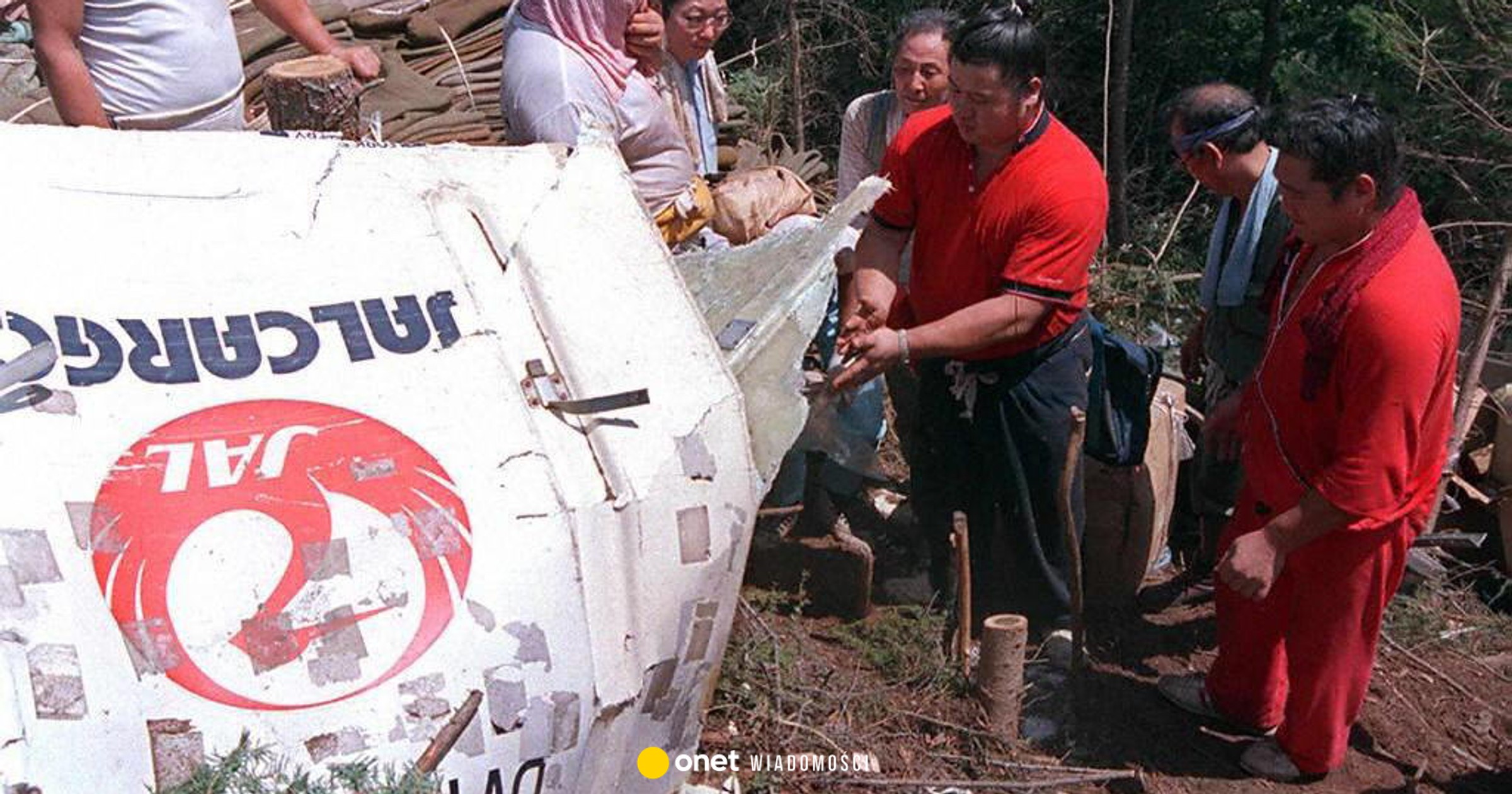
Japan Airlines flight 123 was scheduled to fly from Tokyo to Osaka. There were 524 people on board, including 509 passengers and 15 crew members. The plane with the highest possible seat density was almost fully occupied. The plane took off with a delay and rose above the Tokyo airport at 6:12 p.m.
An unauthorized repair led to a disaster
The history of the plane was marked by an unlucky event that later had disastrous consequences. Six years earlier, on June 2, 1978, the Boeing hit the runway with its tail while landing at Osaka Airport. This caused the rear pressure bulkhead, a key component that maintains cabin pressure, to rupture.
The article continues below the video
When did the Japan Airlines Flight 123 crash?
How many people lost their lives in this disaster?
What were the causes of the plane crash?
Who survived the plane crash?
The repair performed by Boeing technicians was defective. Instead of the approved single plate with three rows of rivets, two plates were used, which reduced fatigue resistance by 30 percent. The Japanese airline did not detect the error during inspection.
As later reported in the Aircraft Accidents Investigation Commission (AAIC) report, “improper repair led to gradual pressure rupture of the bulkhead.”
Twelve minutes after takeoff, at 6:24 p.m., a disaster occurred over Sagami Bay. The partition burst with a bang, causing rapid decompression. The air sucked everything out of the cabin that wasn't attached. The explosion severed all four hydraulic lines, damaged the vertical stabilizer and rudder, making the plane virtually uncontrollable. The crew declared a state of emergency as they attempted to return to Haneda.
The pilots struggled with the machine as it entered a climb and descent state. By using differential thrust of the engines and lowering the landing gear, they managed to partially stabilize the flight. Despite suggestions, the pilots did not put on oxygen masks. At 6:45 p.m. they reported to the air traffic control station that the plane was uncontrollable. “It may be a hopeless situation,” said pilot Takahama. The plane spontaneously headed west towards the mountains.
At 6:50 p.m., a photographer in Okutama took a photo of the falling machine. It was obvious that the vertical stabilizer was missing. At 6:56 p.m. the plane crashed into the slopes of Mount Takamagahara in Gunma Prefecture, at an altitude of 1,565 m above sea level. At a speed of over 500 km per hour. hit the forest, breaking into fragments stretching 550 m.
The impact was powerful, but not fatal to everyone. It is estimated that between 20 and 50 passengers survived the crash. Their bodies were found with injuries indicating a chance of survival had help arrived sooner.
The unfortunate people died of severe wounds, shock, hypothermia in the mountain cold, or suffocation under the rubble. Screams and moans could still be heard at night. – I heard the rough panting and wheezing of many people, a boy calling out “Mama” and a young woman shouting “Come quickly!” – recalled one of the survivors, Yumi Ochiai.
The temperature dropped below zero, and smoke and fire further worsened the situation. The victims included celebrities, including: singer Kyu Sakamoto, Oscar winner for “Sukiyaki”, as well as banker Akihisa Yukawa, father of violinist Diana Yukawa.
An American Air Force C-130 located the wreckage just 20 minutes after the crash. However, Japan rejected the offer of military assistance due to its policy prohibiting the use of foreign forces on its own territory.
Japan Self-Defense Force (JSDF) helicopters spotted the wreckage after dark, but reported “no survivors,” so ground teams did not move into the mountains that night. Instead, they prepared 63 km away. Rescuers reached the site only on the morning of August 13, after more than 14 hours. They found four miraculous survivors – all women, seated on the left side in rear rows 54-60, the only intact section of the fuselage.
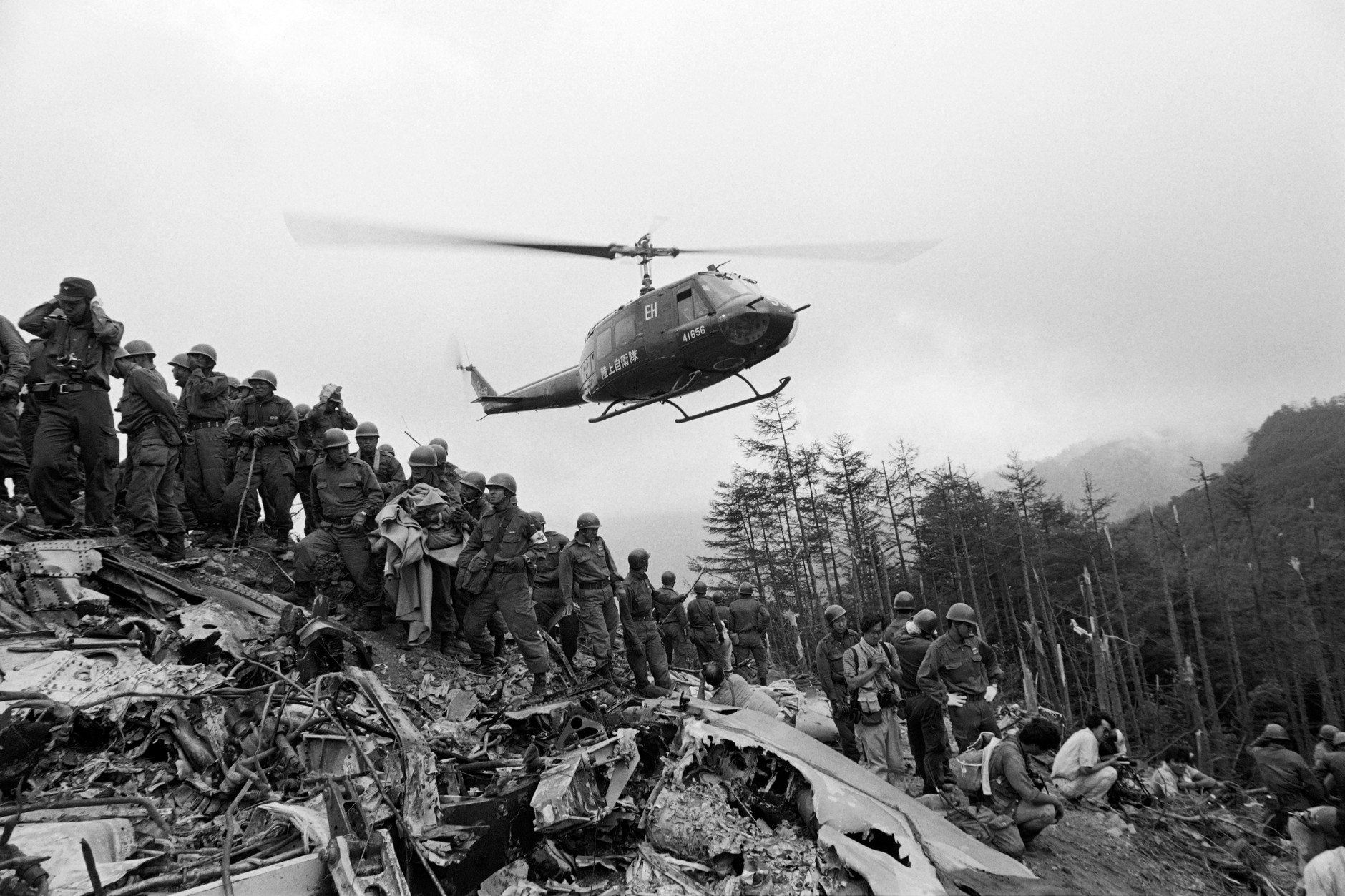
Soldiers at the crash siteAFP/AFP
Yumi Ochiai, a 26-year-old JAL flight attendant flying privately, managed to help passengers put on oxygen masks during decompression and instructed them on the fetal position. She broke her pelvis and arm while trapped under the debris, but survived as the helicopters flew by. Keiko Kawakami, 12, was thrown from her seat and stuck in a tree. Her parents and sister died on the spot.
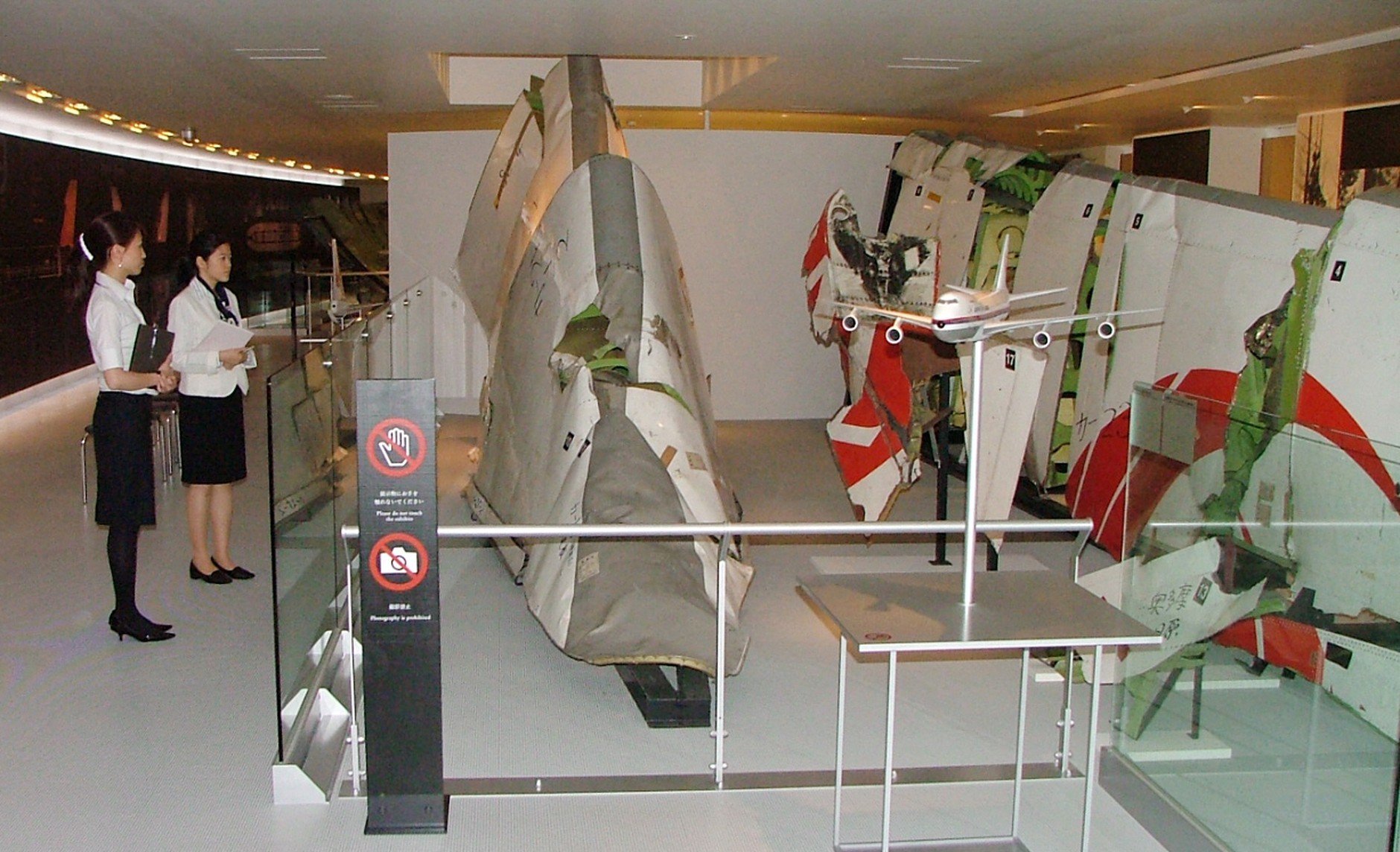
Plane wreckageROLAND DE COURSON / AFP FILES / AFP
Hiroko Yoshizaki, a 34-year-old mother, woke up among bodies – her husband and older daughter were dead. It was her younger daughter Mikiko, 8, who saved her by saying: “Mommy, don't fall asleep, otherwise you will die.” Both suffered serious injuries, but Hiroko's maternal instincts and her child's determination allowed them to survive the night. All four were taken to hospitals in critical condition. Ochiai spent months recovering.
The AAIC investigation, supported by the US NTSB, confirmed the guilt of Boeing and JAL. A 1987 report emphasized that the cause of the disaster was “unauthorized repair of the bulkhead, leading to material fatigue and decompression.”


