We use energy without thinking too much about it, but we all have opinions about what increases our bills, what helps us save, what is worth changing and what isn't. Over the years, a number of myths have formed that are passed down from family to family, but the problem is that many of them are completely wrong and can lead to ineffective choices, high consumption and investments made in the wrong direction. Energy efficiency specialists have been explaining for years that reality is not intuitive and that good decisions start with clear information, not guesswork.
You can find clear information about this on SHIFT Hub, an ING platform developed together with InfoClima and ECONOS experts, with tips & tricks on how to reduce energy consumption, whether you're doing it for sustainability or just to reduce the amount on your bills. We've broken down some of the most common myths with input from the experts out there.
Myth 1: Thermal panels solve everything
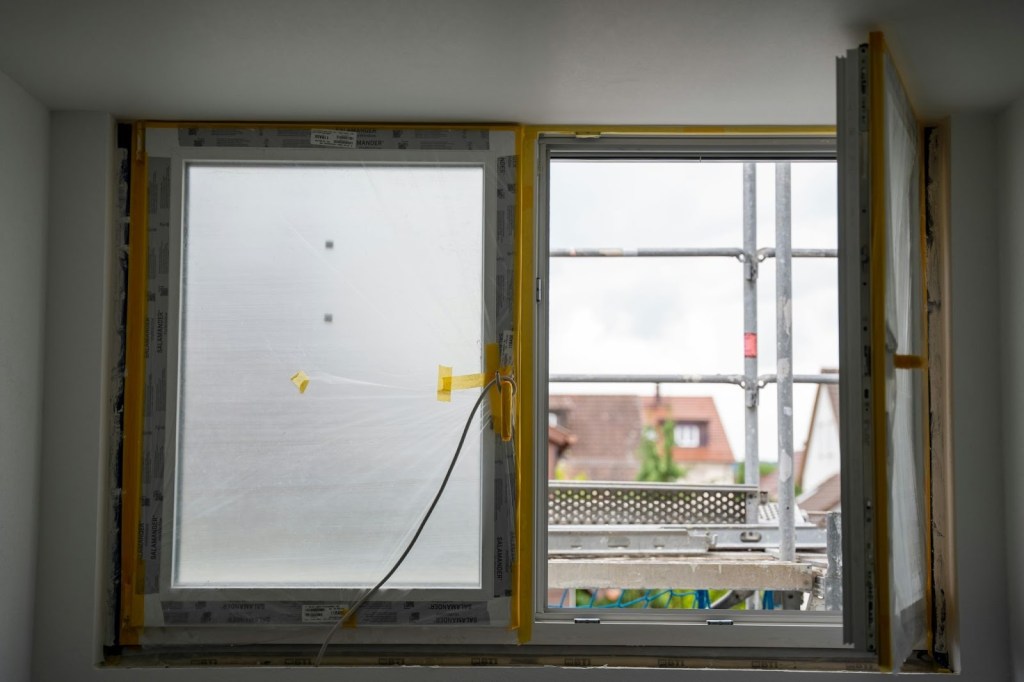
Photo by Fabian Keiser via Unsplash
The first myth is that double glazed windows solve every insulation problem. In many homes, people assume that if they have installed modern windows, the energy losses disappear automatically. In reality, it's the quality of fitting and sealing that makes the difference, not just the type of glass. A window with two or three panes of glass may perform below expectations if the frame is not properly secured or if the spaces between the frame and the masonry are not properly filled. Gaskets can wear out over time, and a performing glass can become a source of energy losses after a few years. That's why regular window checks are essential, even in new homes.
Myth 2: Small electronics consume nothing
A second very widespread myth says that electronics and small appliances consume so little that it is imperceptible on the bill. Seemingly innocuous kitchen appliances, speakers or chargers are constantly overlooked when thinking about sustainability. In reality, the consumption of an electrical appliance is not dictated by size, but by technology and duration of use. A small appliance that is used often can consume more than a large appliance that is rarely used. For example, a kettle used five times a day may have a higher weekly consumption than an electric oven used only once. Specialists recommend checking the energy label and standby consumption before making assumptions. By the way, one of the trendy appliances that consumes much more than you would expect is the air fryer.
Myth 3: There's nothing wrong with leaving appliances plugged in
A third myth says that devices left on standby do not count towards the monthly bill. Many people think that if an appliance has a light off or is not active, it is not consuming. In reality, many devices consume energy even when they are not in use. Modern TVs, gaming consoles, smart speakers and routers have a bottom line consumption that, when added up, can represent a significant percentage of your monthly bill. Eliminating stand-by consumption is one of the easiest steps you can take to save energy, without giving up comfort.
Myth 4: You have nothing to do with an old, unrenovated house
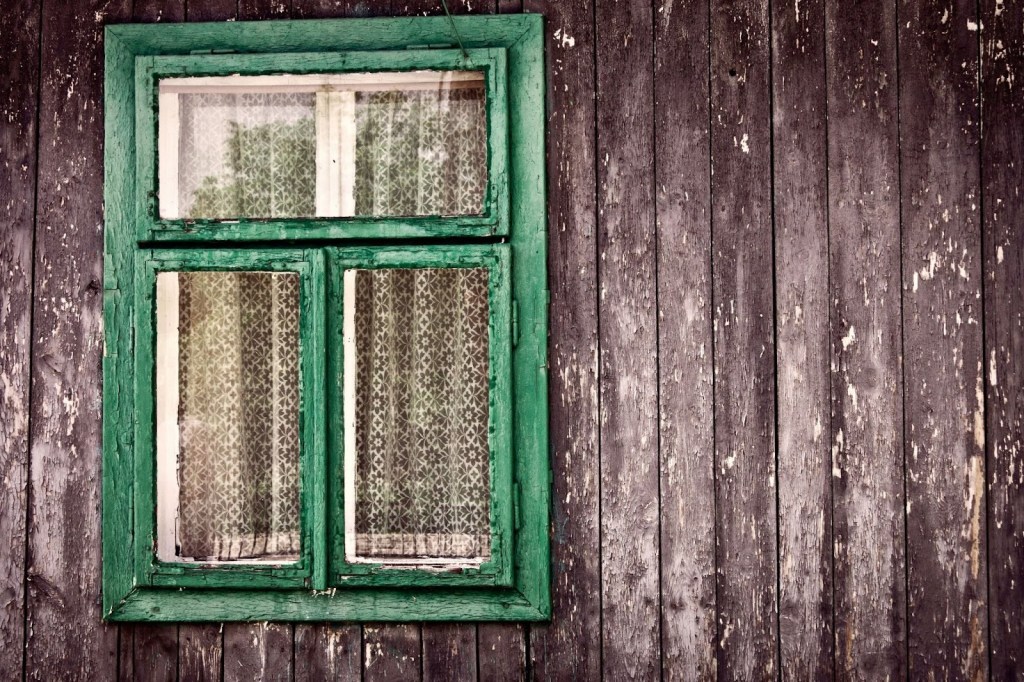
Another popular myth is that an old house cannot become energy efficient. Homes built in the 1960s, 1970s or 1980s are often perceived as impossible to modernize without expensive renovations. Specialists point out that although completely insulating an old building is indeed a major intervention, there are many small steps that can produce significant changes. Sealing windows, using thick drapes, repairing plumbing and eliminating waste consumption are actions that can make an old home more efficient than a new one, if the owners are careful and consistent.
Myth 5: You can't afford to live more sustainably
Many believe that sustainability is expensive and out of reach. In fact, energy efficiency is not a set of spectacular investments, but a series of small choices that add up over time. LED bulbs, correctly programmed thermostat, eliminating infiltrations, cleaning filters and monitoring consumption are actions that do not require large budgets. In addition, the effects are immediately seen in the comfort and stability of the bills.
Myth 6: Warmer is better
There is also the myth that a higher temperature in the home automatically provides more comfort. Many heat rooms to temperatures above 23 degrees, believing that warmer is better. However, specialists explain that a temperature of 20-21 degrees is optimal for the living room, and a slightly lower temperature is ideal for sleeping. Comfort comes not only from the number displayed on the thermostat or thermometer, but from the even distribution of heat and the absence of cold drafts. It is even dangerous for health and immunity to suddenly go from an overheated room to the cold outside.
Myth 7: One big change will fix everything

Photo by Mario Ame via Unsplash
As I said, our habits are often more important than a single renovation for a lot of money. The problem is that this has emerged where owners are pinning all their hopes on a single gesture, such as changing the boiler or installing new windows, to drastically change their bill. However, energy efficiency is a chain process, where every component counts. A high-performance central unit cannot compensate for the massive losses through the windows, and a state-of-the-art window cannot balance a wrongly set thermostat. Our approach must be consistent and done in small, though steps.
Myth 8: If the town hall doesn't come to isolate my block, nothing happens
Those who live in the block of flats tend to think that they can do almost nothing, because they cannot insulate the external walls without catching a thermal rehabilitation project with European funds from the town hall. The reality is that many of the energy losses occur internally, not externally. Sealing doors and windows, regulating the temperature, repairing and cleaning installations and avoiding waste are actions accessible to anyone, regardless of the type of home.
Myth 9: If it's a new house, it's necessarily energy efficient
A very common misconception is that new homes are automatically energy efficient. While it is true that many of the new builds meet better standards than the old ones, not every new home is performing. Poor installation, poor materials, lack of sealing or hasty designs can turn a new build into an ineffective one. Careful assessment and proper maintenance are required in any context.
Myth 10: The temperature of the hot water does not matter, because you pay the same

Photo by Artum Labunsky via Unsplash
Another common belief, especially among the owners of heating plants and boilers, is that the temperature of the hot water does not influence the consumption to a relevant extent. The use of hot water, prolonged showers and excessive heating of boilers contribute massively to the increase in consumption. Adjusting the water temperature to comfortable, but not excessive, levels is an essential step in making your home more efficient.
Finally, myths about energy consumption are easily formed, but they are only dismantled with clear information and simple explanations. Energy efficiency is not about turning your home into a construction site, but about understanding how heat, ventilation, appliances and daily habits work. Through small and consistent steps, any home can become more efficient, regardless of age, area or budget.
SHIFT Hub is the ING platform that translates your energy efficiency into simple steps for your home. You'll find articles, guides, videos and case studies made together with InfoClima and ECONOS, to understand energy labels, order your priorities and make informed decisions, without unrealistic promises – only immediately applicable solutions.
Article supported by ING Bank