NATO wants to be 'proactive' against Russian 'hybrid threats', alliance military chief says

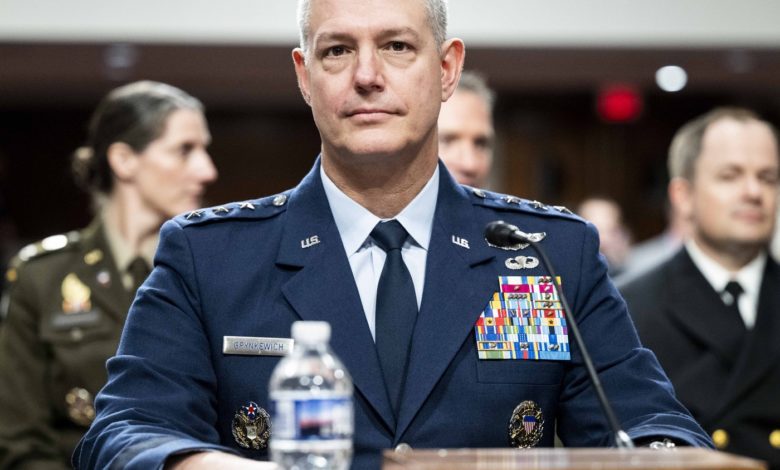
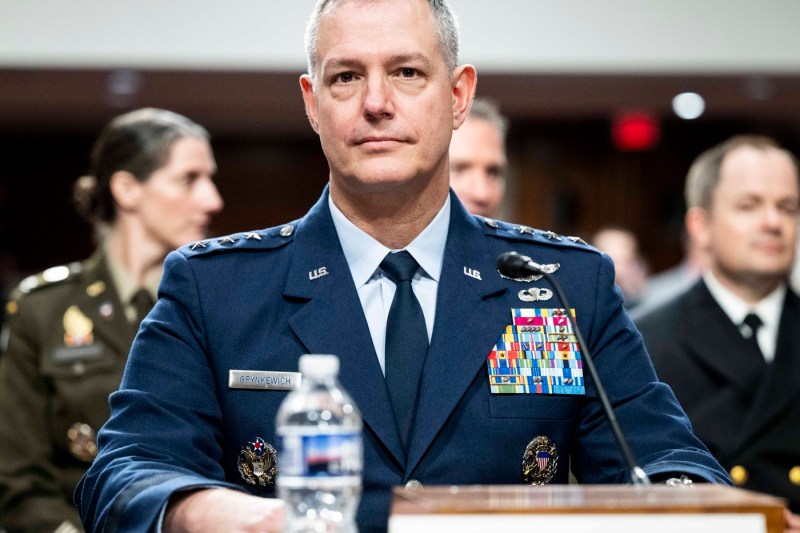
US General Alexus Grynkewich, Commander of NATO Forces in Europe (SACEUR). Photo credit: Michael Brochstein / Zuma Press / Profimedia
NATO must be prepared to respond to the growing number of hybrid threats to defend the territory of member states, the alliance's top military commander said on Thursday, according to Reuters and AFP.
Military threats refer to both military and non-military tactics designed to undermine an adversary's security, and generally include cyber attacks, disinformation campaigns, sabotage against critical infrastructure, the use of drones, or unconventional armed groups.
“Hybrid threats are a real problem, and I think we can anticipate that more incidents like this will happen,” said Alexus Grynkewich, a general of the US Air Force and the supreme commander of allied forces in Europe, during press statements made at the military headquarters of the alliance near the Belgian city of Mons.
“It does not undermine our unity”
Amid growing concerns, some NATO states have called for a more aggressive approach in responding to Moscow's operations.
“This is not an existential threat to anything the alliance does. It does not undermine our unity. We are able to respond and manage this,” the general added.
Speaking about the recent incidents in Europe, Grynkewich said some of them are reckless and some of them are intentional. He noted that it is important to say who is behind the hybrid incidents, as well as that the alliance knows that Russia is the perpetrator in some of the cases.
“We're also thinking about being proactive… If Russia is trying to give us dilemmas, then maybe there are ways we could give them new dilemmas,” the US general said, adding that NATO is a defensive alliance and “there's nothing offensive about it.”
Russia has consistently denied accusations that it is behind drone incidents or cyber attacks affecting Western countries. It also denies any plans to attack NATO, which has provided weapons, intelligence and other assistance to Ukraine in the context of the war launched by Moscow in February 2022.
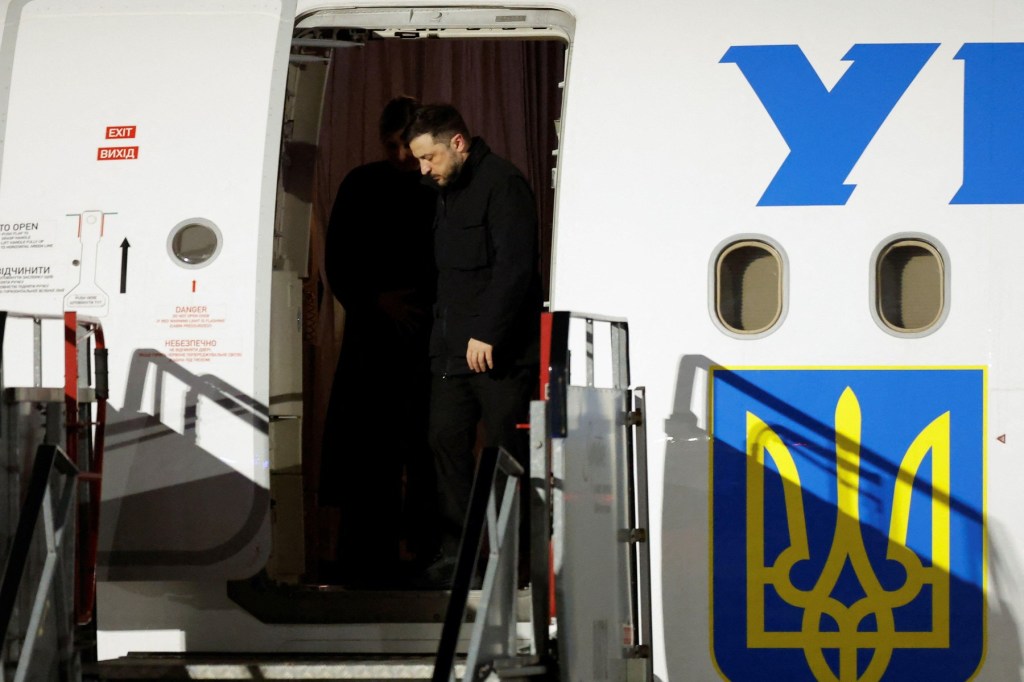 Zelenski's plane, followed by four military drones, before landing in Dublin