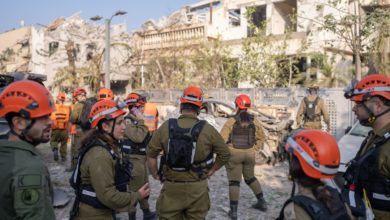
The Maduro regime's plan in the event of an American attack. Among the strategies, the transformation of Venezuela into an ungovernable country / The problems of an army equipped with outdated Russian equipment


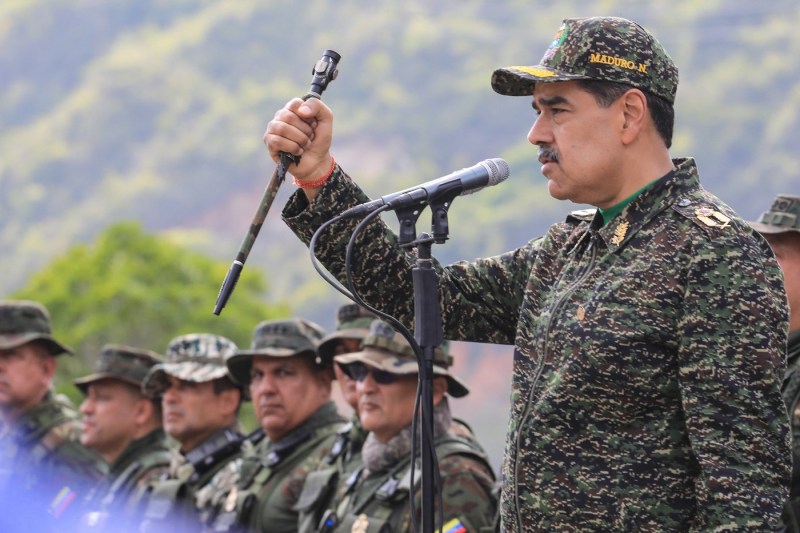
President Nicolas Maduro addresses the military at a training camp in Caracas, Venezuela. Photo credit: Zurimar Campos / AFP / Profimedia
Venezuela's military is marked by a lack of training, low pay and deteriorating equipment, six sources familiar with Venezuela's military capabilities said in an analysis amid tensions between Washington and Caracas.
The analysis comes as US President Donald Trump warned on Saturday that airspace over and near Venezuela should be considered closed amid US military deployment in the region.
US forces have struck more than 20 vessels it accuses of being involved in drug trafficking in the Caribbean Sea and Pacific Ocean since early September. The operations resulted in the death of over 80 people. Washington claims the goal is to fight “narco-terrorism”, but Caracas insists the ultimate goal of US activities is regime change in Venezuela.
An army with low wages and outdated Russian equipment
President Maduro has been in power since 2013 and has enjoyed the loyalty of the military by placing officers in government positions, but rank-and-file soldiers earn just $100 a month in local currency, about a fifth of what studies say the average family needs to cover their basic needs.
Sources say the defections, which are already occurring in many units, could multiply in the event of a US military strike.
In recent years, the main experience of Venezuelan troops has been confronting unarmed civilians during street protests.
Venezuela's leftist leader claims there are eight million civilians training in the militias, but one source estimated that only a few thousand members of the intelligence services, armed supporters of the ruling party and members of the militias would actually take part in defensive actions.
There are also problems at the level of military equipment, a large part of it manufactured in Russia and old for decades, is missing. Authorities in Caracas bought about 20 Sukhoi fighter jets in the 2000s, but they are considered insufficient compared to American B-2 aircraft, and Russian-made helicopters, tanks and shoulder-launched missiles are also outdated.
“Prolonged Resistance” Strategy
Venezuela plans to mount a guerrilla-style resistance or sow chaos in the event of a US air or ground attack, according to sources and planning documents seen by Reuters.
The response has been mentioned publicly, though without detail, by senior officials, who call it “protracted resistance” and would involve small military units in more than 280 locations, carrying out acts of sabotage and other guerrilla tactics.
The 5,000 Russian-made Igla missiles recently praised by Maduro on state television have already been deployed. Military orders are for units to disperse and hide in various locations in the event of an attack, according to a source.
The second strategy, called “anarchization” and which officials have not publicly acknowledged, calls for the use of intelligence services and armed supporters of the ruling party to create disorder in the capital Caracas and make Venezuela ungovernable, the sources said.
Other armed groups in Venezuela
Colombian guerrilla forces like the National Liberation Army operate in western Venezuela, which is also a center for the cultivation of the coca plant, the basic ingredient of cocaine.
Supporters of the ruling party, called “colectivos”, often mobilize in motorcycle convoys to confront the protesters. Sometimes they are armed.
Venezuelan opposition groups, non-governmental organizations, Washington and some Latin American governments have accused Maduro and Venezuela's military of ties to drug cartels, which are also violent.
The government in Caracas has consistently denied such links and says the US wants regime change to take control of Venezuela's vast oil reserves.