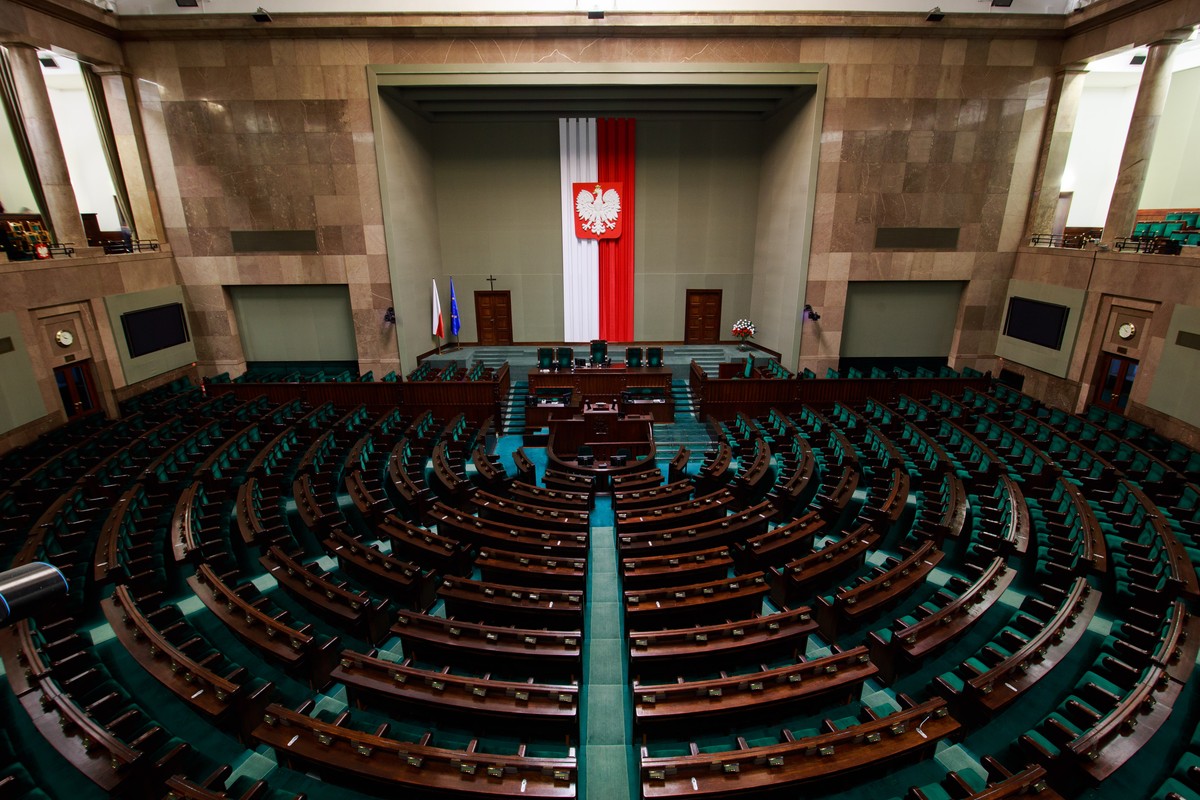
For a long time, Polish politics has been governed primarily by two groups: the Civic Coalition and Law and Justice. Despite the emergence of new initiatives, none of them has so far managed to seriously threaten the dominance of these parties. In the context of the upcoming elections, voices are increasingly heard about the need to introduce “fresh blood” into politics.
The rest of the article below the video:
SW Research for Onet checked whether Poles believe in the emergence of a new party that could change the rules of the game on the political scene.
Poles are divided in their expectations for a new political force
As part of the survey, respondents answered the question: “Do you count on the emergence of a new party that will change the balance of power on the political scene before the parliamentary elections in 2027?”
The results show that 32.1 percent respondents expect change and believe that the current groupings do not meet their expectations. According to this group, the new party could introduce innovative solutions and a fresh approach to politics.
The largest percentage of respondents – 42.8 percent. — does not expect the emergence of a new group and focuses on stability and predictability. For them, the current political arrangement is sufficient and they do not see the need to introduce changes.
Read also: Three right-wing parties are ahead of the government coalition. The results may surprise you [SONDAŻ]
In turn, 25.1 percent respondents cannot clearly assess whether a new batch is needed. Their indecision may result from a lack of faith in the possibility of real change or the belief that all political groupings are similar.
Research methodology
The survey was conducted by the SW RESEARCH agency on November 25-26, 2025. The survey was conducted using the online interview method (CAWI – Computer-Assisted Web Interview) on the SW Panel online panel.
As part of the survey, 844 surveys were conducted among adult Poles. Quota sampling ensured the representativeness of the sample in terms of gender, age and size of the place of residence.