“Study, otherwise you will end up in manual labor.” They didn't listen and they are millionaires

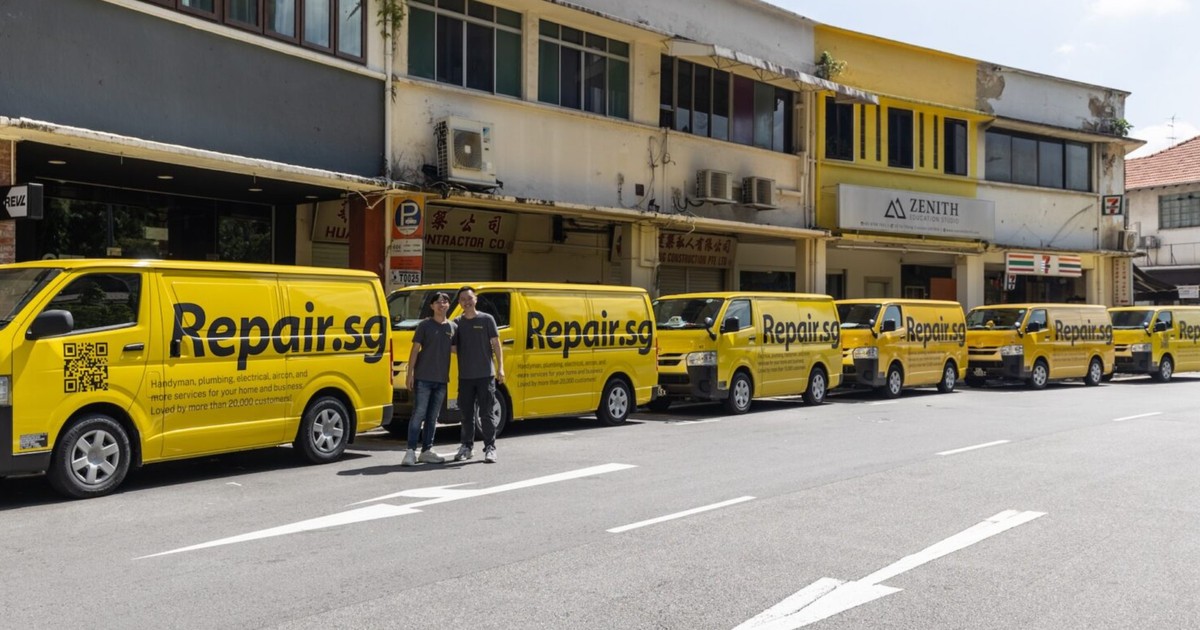
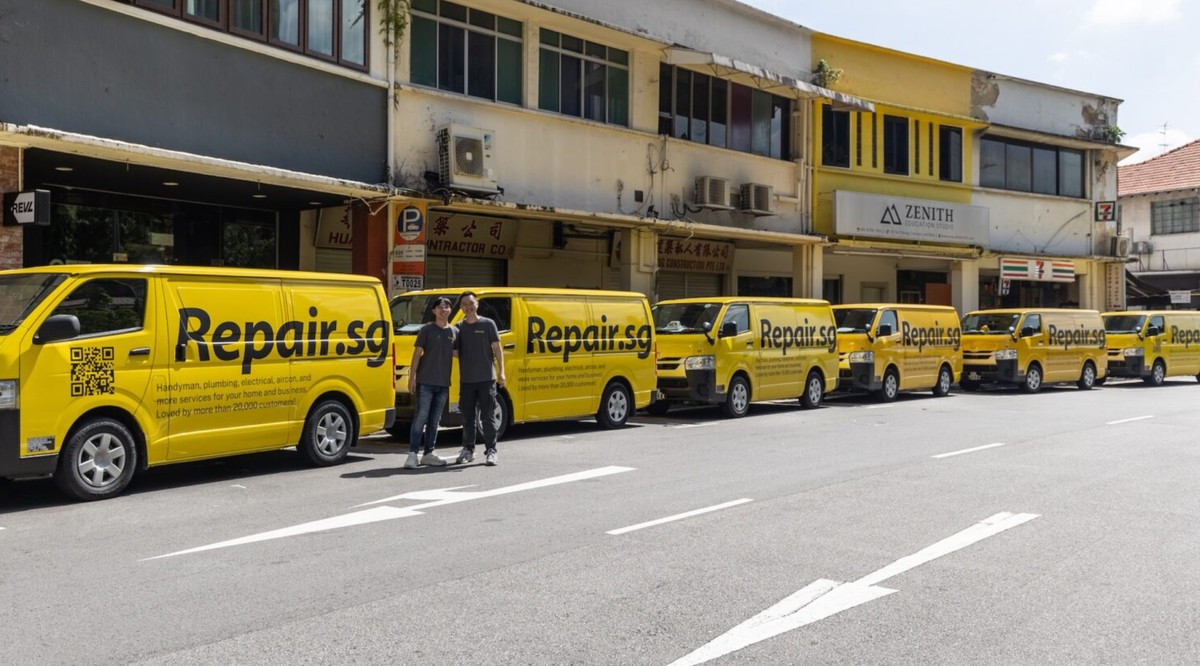
The beginning was very inconspicuous. In 2016, the Chew brothers' parents were looking for someone to fix a minor problem in their home. Zames he started browsing the Internet and noticed something that today we would call a market gap. There was no convenient place on the Internet where you could easily find local specialists.
So he decided to check what would happen if he simply created such a place. He bought the domain for about $23, asked his father for help in registering his business, and Repair.sg was born.
Check: Generation Z chooses their favorites. The Business Insider Awards plebiscite begins
Unlike many startup stories, There is no question of instant success here. For the first years, it was a typical teenage side hustle – an extra activity after school. Zames and Amos have always enjoyed tinkering. As children, they assembled LEGO bricks, built computers, and took apart devices to see how they worked. When the opportunity arose to turn this passion into something that customers paid for, they didn't hesitate.
The next part below the video:
A start-up born out of need
For the first three years, while they were still at school, they had time for repairs between classes, in the evenings and on weekends. Contrary to the stereotype of the “screwdriver man”, it quickly turned out that it's not just physical work. Many services involve formal requirements, licenses, training and technical knowledge, without which it is impossible to operate legally and safely.
So the brothers spent years acquiring qualifications and competences, and when they were not learning theory – they visited customers, replaced lamps, assembled furniture, and repaired minor defects.
From today's perspective, when the company employs over 20 peopleit may seem like everything was a straight path up. In fact, Chew admits, the business came close to death several times in its first seven years. The young entrepreneurs were ambitious, but they made typical mistakes:
- They took all orders as expected
- They did not always price their work correctly
- They couldn't say “no” to difficult customers
- They set their alarm clock for four in the morning to respond to messages from potential customers as quickly as possible, because they were afraid that if they didn't respond, the competition would overtake them…
Only over time came the understanding that not every order makes sense. Some customers had completely different expectations than the brothers, others counted on extremely low prices, and still others simply did not take them seriously. The background of this problem is deeper – it is a social label that is often attached to physical work. Zames recalls that both parents and those around him sent a clear message: “study, otherwise you will end up in manual labor.” Repairs, assembly, and manual work were presented as a choice “for those who failed.”
These beliefs were reflected in conversations with customers. It happened that they were told directly that at their age they should stay at school and not “work like those who have failed in life.” This made the brothers feel less valuable for a long time. They even hid what they were doing, because although their work gave them satisfaction, negative comments severely cut their wings.
Read also: A new era of cooperation between Europe and Japan. Investments are already underway
They decided that they would go on their own
The breakthrough came in 2021. Zames and Amos then made two important decisions. Firstly, they decided to treat Repair.sg not like a hobby project, but like a full-fledged companywhich must be consciously built and scaled. Secondly, they rejected a safe career path – they decided not to go to university but to devote themselves fully to developing their business. From that moment on, everything started to accelerate, i.e. refining the offer, well-thought-out processes, hiring more people, investing in the quality of service and brand image.
Zames's attitude towards the very idea of working outside the office has also changed. Instead of repeating social slogans about “real success is an open space, a laptop and a corporate ID”, he started to look at the actual value it brings. And this one is very specific: efficient repairs in homes and offices, safety, comfort of everyday life of customers. Plus a sense of agency and satisfaction from building something of their own.
Chew notes that they are not alone in this choice. In recent years, more and more young people from Generation Z are choosing “non-office” industries – both in services, crafts and the broader blue collar sector. Some of his friends left corporate jobs for blue-collar jobs and, as he says, many of them are simply happier today. Instead of spending five days a week behind a desk, they prefer more tangible work where the effect is visible immediately.
The story of Repair.sg is not only a story about a boy who bought a domain for $23. and after a few years he built a business generating $1.3 million. annually. It is also an example of a change in thinking about work. From Zames' perspective, three things turned out to be the most important: recognizing a niche in the market and testing it quickly, patience in building competences, and readiness to go against the expectations of the environment.
Today, Chew openly says that he's glad he didn't listen to the “good advice”to go to university and look for a job in a big technology company. If he had landed in an air-conditioned office, five days a week in front of a computer screen, he probably would not feel as satisfied today as when he was developing his own business together with his brother.
Check also: Do entrepreneurs in the UK lack ambition? “No support”
Service business ideas
1. Intelligent rental of home and garden equipment in a subscription model
The customer, instead of buying rarely used items (pressure washer, aerator, upholstery vacuum cleaner, snow blower) chooses a monthly package and reserves equipment via a simple application, and the company delivers it to and picks it up from home.
Such a business combines a logistics service with real, physical warehouse facilities and fits into the trend of sharing instead of owning.
2. Mobile regeneration and biohacking studio for company employees
Physically, it is a well-equipped bus or a small premises where you offer sessions in a floating capsule, light therapy, massages, breathing sessions, quick physiotherapy consultations or body composition analysis, and you sell the whole thing as a B2B service – a “wellbeing day” subscription for companies once or twice a month.
The advantage is high added value with relatively little space required and a very clear marketing effect for an employer who cares about the health of the team.
3. “Circular design” studio combining service, renovation and personalization of physical products
The customer comes with a piece of furniture, a bicycle, an electric scooter or other equipment, and the company not only repairs it, but also designs a new finish:
- repainting,
- upholstery,
- 3D printed elements,
- personalized panels,
- other accessories.
On the business side, you can add a subscription service for companies (cafes, offices, coworking spaces), which you provide with constant care of the interior, i.e. renewing and refreshing the equipment instead of buying new ones, with a clear ecological message.