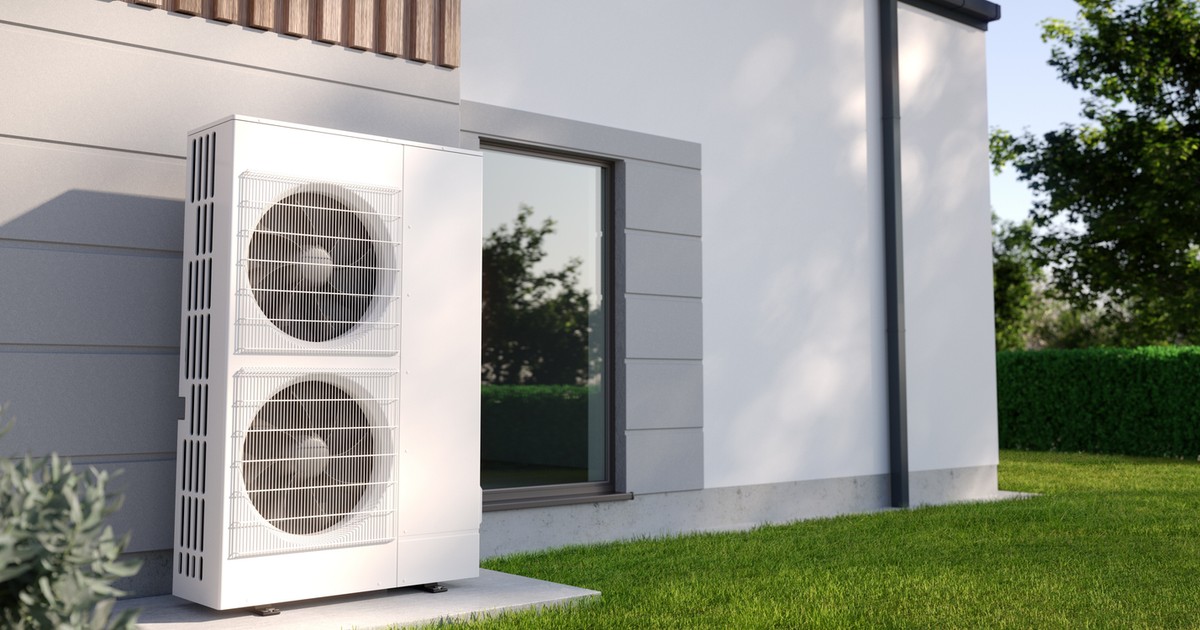
Scientists from the University of Saarland in Germany are working on a breakthrough technology for heating and cooling homes that could revolutionize the market. Instead of a pellet stove, heat pump or gas furnace, heat would be provided by a new solution, which – as “Focus” reports – is based on elastocaloric materials that use flexible nickel and titanium alloys.
See also: The taxman in action. He is demanding a refund of up to PLN 16,960 from heat pump owners
As the Local Government Portal notes, current heating systems, such as heat pumps or pellet and wood stoves, have their limitations. New technology based on elastocalories can not only increase efficiency, but also help reduce CO2 emissions.
The text continues below the video
German scientists are currently testing how the system will work in single-family homes. The work of German researchers is crucial in the context of the fight against climate change and rising energy costs.
Heating your home several times more efficient than a heat pump? Scientists are working on this
As “Focus” explains, the innovative solution uses the elastocaloric effect, which involves changing the temperature of the material under the influence of mechanical stress.
“An elastocaloric material is one in which mechanical stress affects the temperature of the system. By bending and straightening such a material, we can cool or heat a given room,” explain researchers from the University of Saarland in a release quoted by “Focus”.
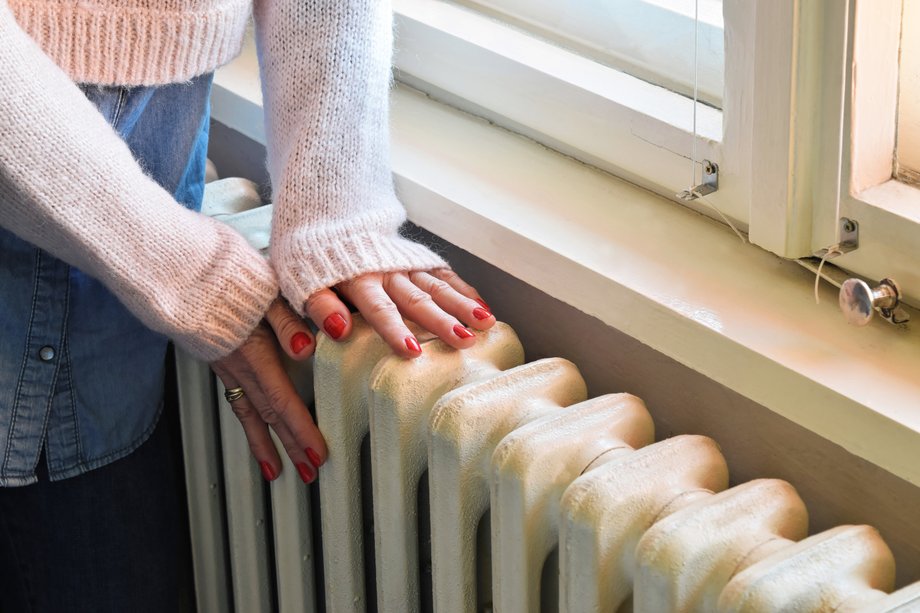
Innovative ways of heating your home can not only revolutionize the technologies used in construction, but above all translate into lower bills.
|
Zvone / Shutterstock
In practice, this means that stretching and releasing the tension in the material allows heat to be transported – it can be removed from the room or transferred to another. The key element are flexible nickel and titanium alloys, which return to their original shape after deformation.
A revolution in home heating is just around the corner? Scientists are already working on it
As researchers praise their technology, the efficiency of the elastocaloric system is to be up to five times higher than that of heat pumps. This means less energy consumption and lower operating costs. Additionally, this technology is more environmentally friendly because it does not require the use of harmful refrigerant gases.
See also: Poles are moving away from heat pumps. The reason may surprise you
German scientists are not the only ones working on elastocaloric systems. Scientists from the Hong Kong University of Science and Technology can also boast of successes in this field.
An alternative to heat pumps is emerging. Home heating more efficient and ecological
As “Focus” explains, they developed the world's first cooling system with a power exceeding 1 kW. This is a significant step forward, as previous elastocaloric devices achieved a maximum of 300 W of cooling power. Chinese research could accelerate the development of energy-saving and emission-free air conditioning technologies.
The new technology is currently being tested at home. If the results are positive, elastocaloric heating and cooling systems could become a viable alternative to heat pumps. This is a chance to heat our homes more effectively and ecologically in the future.
The cheapest ways to heat your home
The cheapest ways to heat your home are primarily heat pumps and modern pellet boilers, which are characterized by low operating costs. Heat pumps in a well-insulated house can cost around PLN 2,000-3,500 per year, and pellet boilers around PLN 3,000-4,500. Electric heating is relatively expensive and can generate costs of up to PLN 6,000-8,000 per year, especially with older heating systems.
The cheapest heating methods:
- Heat pumps: effective and economical, especially in well-insulated houses, they allow for significant reductions in heating bills.
- Pellet boilers: ecological solid fuel with moderate costs, a popular solution with good profitability.
- Natural gas condensing boilers: condensing technology increases efficiency and reduces costs, the investment in the installation ranges from PLN 8,000 to PLN 12,000. zloty.
Other options and notes
- Oil and electric heating are more expensive to operate than heat pumps and pellet boilers.
- Hybrid heating systems combining heat pumps with a photovoltaic installation are more expensive to install, but very economical in the long run.
- Good home insulation and intelligent temperature control are also key to cheap heating, which can significantly reduce costs.
Modern home heating
Modern home heating systems use advanced technologies that are ecological, energy-saving and comfortable. Popular solutions include heat pumps, photovoltaics, energy-saving condensing boilers, hybrid installations combining various energy sources and intelligent heating control systems.
Heat pumps are one of the most economical and environmentally friendly solutions, drawing energy from air, water or ground, which allows you to significantly reduce heating costs and CO2 emissions.
Photovoltaics cooperates with these systems, enabling almost cost-free heating by obtaining solar energy. Condensing boilers improve the efficiency of traditional heating devices by using the heat contained in exhaust gases.
Hybrid installations combine, for example, a heat pump with a gas boiler, which ensures cost optimization and greater energy security.
Modern underfloor heating with thin-layer heating mats or heating foil offers comfortable and discreet heat. Smart thermostats and mobile applications allow you to precisely adjust the temperature in rooms, improving energy efficiency and comfort of use.
What type of heating for a 150 sq m house?
For a house with an area of 150 m2, heat pumps (ground or air) and pellet or gas condensing boilers are a profitable and popular choice. Ground heat pumps achieve efficiency of up to 350 percent, ensuring low operating costs and ecological operation, although the installation investment is higher.
Pellet boilers are an ecological solution with renewable fuel and stable prices, while gas condensing boilers have a lower installation cost and are convenient, but dependent on gas prices. Alternatively, infrared heating is gaining popularity due to its high efficiency and simple installation. The choice depends on preferences regarding costs, ecology and comfort of use
The most important options for heating a 150 sq m house:
- Ground and air heat pumps – very effective and economical in operation, but more expensive to install. Ground ones have higher stability and efficiency in winter.
- Pellet boilers – ecological, renewable fuel, required handling and storage of pellets.
- Condensing gas boilers – lower installation costs, quick heat regulation, but dependent on fossil fuel and its prices.
- Infrared heating – flexible, effective and reliable, providing direct surface heating.