What will the war of the future look like? Futurology at the service of NATO

Friedrich Steffes-lay: As a futurologist, you design scenarios for NATO to strategically prepare the Alliance for possible challenges. What is your job?
Florence Gaub: Within NATO there is a team called Allied Command Transformation that analyzes the likely future of war. This gives member states guidance on how they should invest in defense. We don't do that. Our team tends to think in terms fringe futures — extreme scenarios. Because in war, the most likely scenario rarely materializes.
We know from research that past predictions about future wars had incredibly high error rates. Basically, technology has always been overrated and the human factor underestimated. On the one hand, we have “newness bias,” which means that technological developments are given too much importance – something we're currently seeing with the excitement around drones. On the other hand, especially in dictatorships, the circle of decision-makers is very small and intentions are deliberately hidden. Futurology therefore has a lot in common with psychology. There is always a “weak signal” at the beginning of the scenario.
It's like the beginning of a new development. This involves unusual information that does not fit our expectation patterns. We enter “what if” scenarios: what would happen if Russia detonated a nuclear bomb in space? What if a virus escapes from the melting permafrost in the Arctic, sending humanity into panic? We then develop action options.
The article continues below the video
One might think that the most rational basis possible is needed to calculate such scenarios. How to deal with figures in world politics who seem irrational?
Empathy is our most important tool. You need to be able to understand why heads of state in Russia or North Korea behave the way they do. This should not be confused with compassion. People are pretty good at empathizing with others.
“We never talk about the 22nd century as a time when everything will be fine.”
The term is used to refer to Germany Angst. They say we assume the worst. Why are worries and insecurities built into our DNA?
Deadline Angst it became popular in the 1970s, during the Baader-Meinhof wave of terror and environmental concerns. At the same time, the '68 movement made it fashionable to talk about feelings, which had not been common before.
There is a cultural indicator that Germans have a higher intolerance of uncertainty compared to other countries. However, I do not believe that we are doomed to be anxious. Unlike Americans, we tend to think long term. I believe that German politicians need the talent to alleviate the fears of their citizens more than in other countries. Otherwise, it will lead to something like a success for the AfD, whose voters are much more afraid of the future than voters of other parties.
You claim that compared to Russia and China NATO countries are more interested in maintaining status quo than offering ideas for the future. How did you come to this observation?
Think about the future that people aspired to in the 1950s, 1960s and 1970s. After World War II, democracy was a minority model – today almost half of the world's population lives under this form of government. There has been incredible progress in life expectancy, education, human rights and our well-being. We actually checked off the old to-do list. But what will happen next? In the research, we talk about a kind of future fatigue in Germany and other NATO countries.
Are we too full?
I don't know if I would put it that way. There are many things that irritate us. In fact, it should give rise to a positive vision for the future. For example, many people feel like we work too much – then a 4-day work week would be a goal worth striving for. How could we achieve this?
The 21st century was a time window to which people liked to travel. Oddly enough, we never talk about the 22nd century as a time when everything will be fine.
In Germany, talking about the future sounds more like preventing a disaster, e.g climate change or World War III.
Yes, and Xi Jinping counters this with his vision called the “Chinese dream”, according to which China will return to its former greatness. The Chinese population is considered one of the most optimistic in the world because they naturally receive positive news about the future throughout the day. The method behind this can be criticized, China is not a democracy. However, you can draw inspiration from them. I believe that you cannot survive a negative present without a positive future.
“People are more willing to fight for a better future than to maintain the status quo.”
At the end of your book, the world is on the brink of World War III. At best, there is a peace conference between all the major powers – because the West was “prepared differently than before.” How exactly?
I wanted to convey that we are not rushing helplessly towards a cliff. The variables for the best-case scenario are military and diplomatic communications, all at the right pace. We currently lack understanding of Russia. We need to know what its leaders want and why they behave the way they do.
How can this work? Most channels of dialogue have been frozen and academic cooperation has largely ceased. And visits to Russia are, to put it mildly, controversial.
This is obviously a problem. I went to Russia several times and exchanged ideas with scientists there. Now it's not even done online. It would be great if we had channels to Russia again. You can't even read Russia Today anymore because all Russian press is blocked in Europe! We have closed off many sources of understanding – and this increases the risk of misunderstanding. And we should be able to rule out a war caused by a misunderstanding.
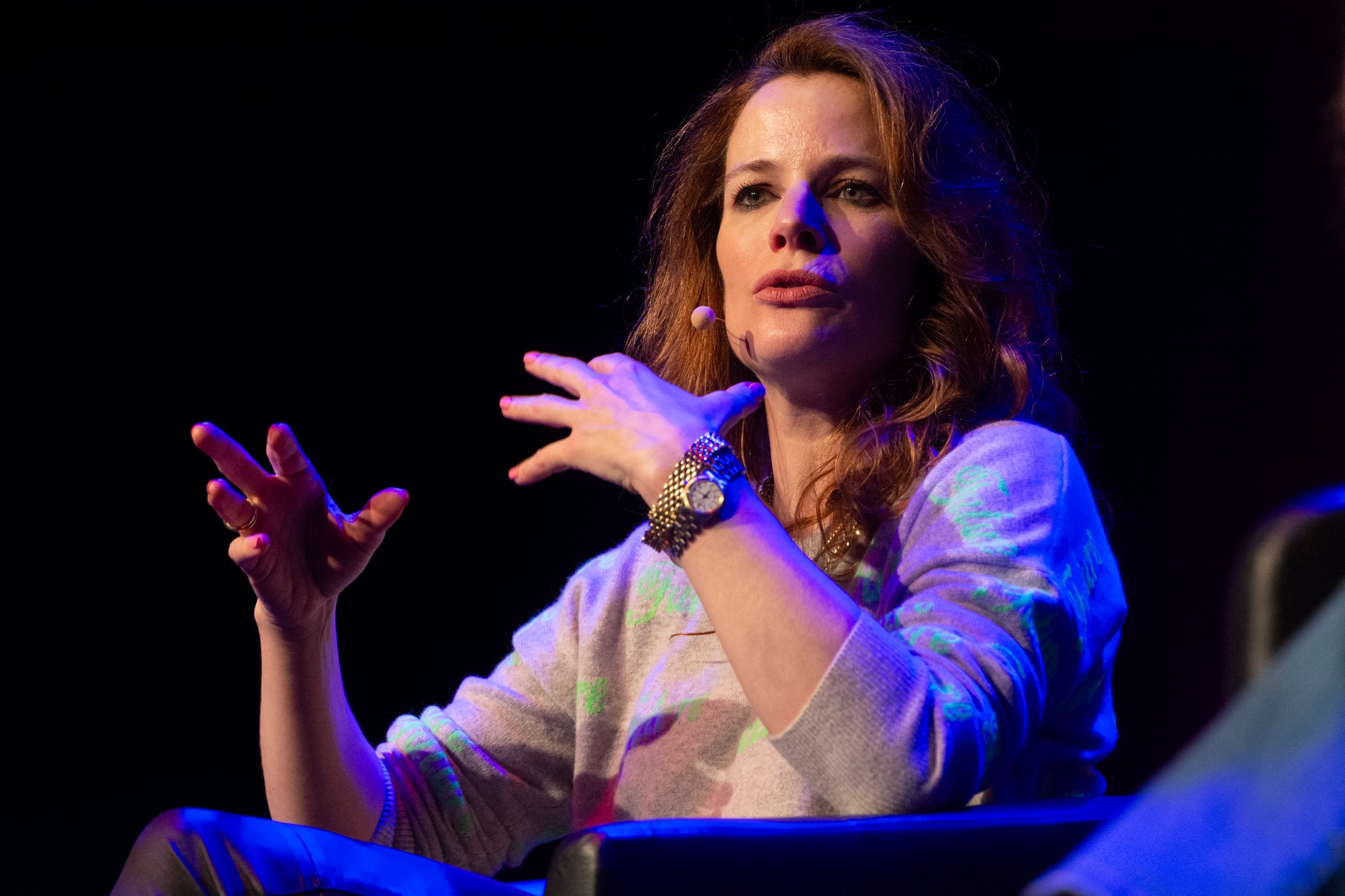
Futurologist Florence Gaub at the Cologne International Literary Festival, March 15, 2024.Ying Tang/NurPhoto / AFP
We are still at the level of knowledge we had in 2022, and this information is becoming outdated. An entire generation of Russia experts is growing up without access to this country.
So what do you propose?
As long as the war in Ukraine continues, nothing will happen. However, I believe that we will see stabilization on the front in the coming months. I can't say whether it will be full peace or just a ceasefire. And then we can meet in third countries. Russians, Chinese and Europeans already meet at international conferences, such as the Dubai Future Forum. Right now they are just avoiding each other.
What do we not understand about Russia today?
Many people believe that the conflict will end with the end of the war in Ukraine. We haven't really understood Russia's long-term strategy yet. First of all, it is about building the position of a world power – with access to the seas and good relations with China. And if we as NATO stand in the way of that – and we do to some extent – then that will be a problem for Russia.
Experts expect Russia may attack Baltic countries in a few years. However, like Ukraine, this region is rather a side issue in your book. You see a greater danger of war in the Arctic, in the South China Sea and in space. Why is this happening?
I have already mentioned about fringe futureswhich I focus on. Thanks to the deployment of NATO troops, we have a fairly good situation in the Baltic region. It may therefore happen that Russia will move to other areas. I am afraid that we will find ourselves in conflict because we will not close all the blind spots. The atmosphere will be so heated that misunderstandings will occur.
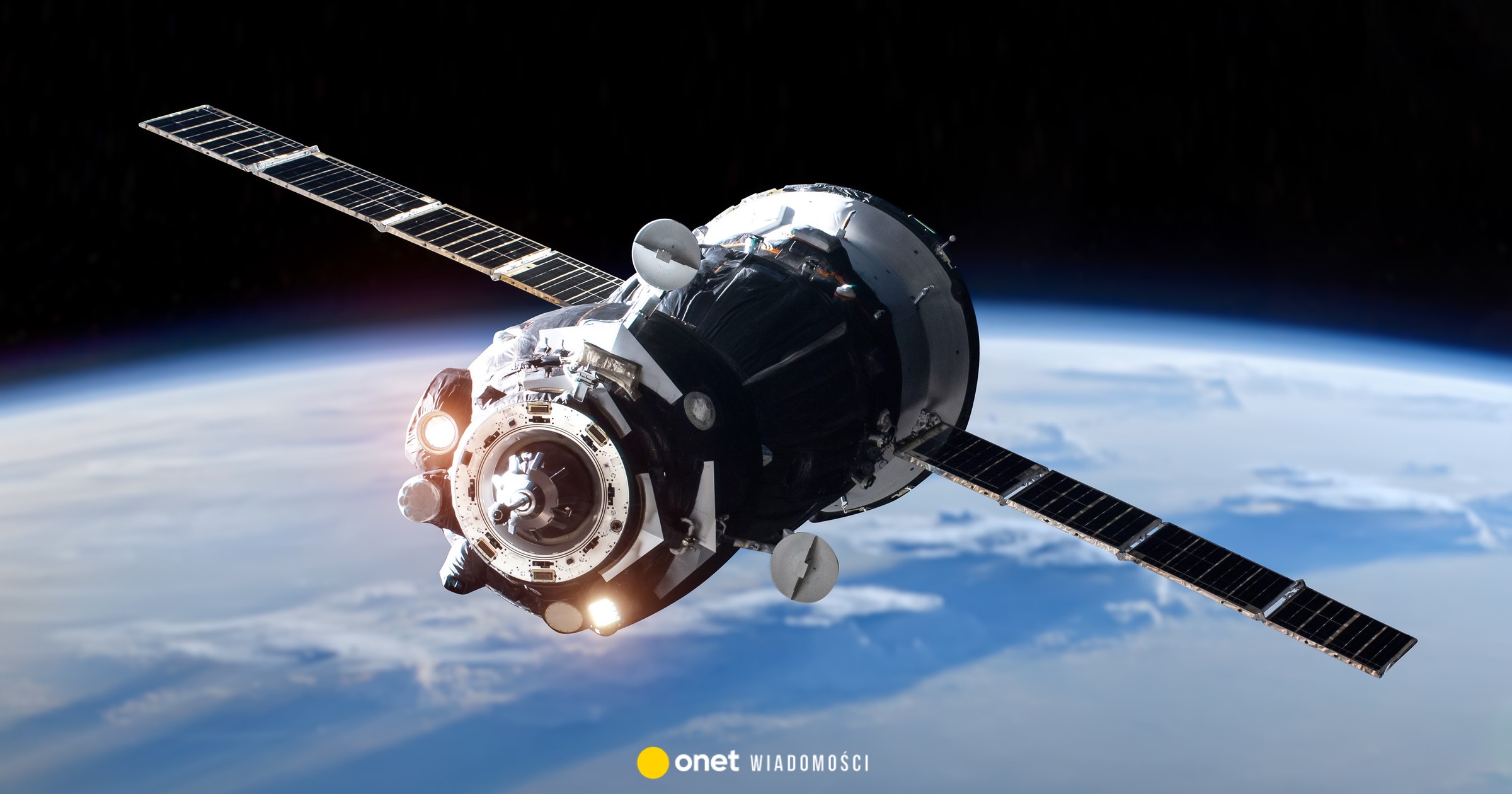
Not everything that happens in the future will be intentional. Let's remember 1983, when a Soviet satellite announced the launch of an American missile. If a Soviet officer had not recognized this as a computer error, it would likely have led to a nuclear counterattack. In areas where there are few civilian casualties, the willingness to take risks is always greater. I wanted to shed light on where things can go wrong.
You think that contrary to current research Germans would be ready to defend their country in a threat situation. What leads to this assumption?
In fact, you can forget about war readiness surveys. We know from research that while we can imagine a lot about the future, we are poor at predicting our feelings. There are many examples in history. Before the attack on Pearl Harbor, readiness for military service in the US was very low – and then the army couldn't get rid of volunteers
Ukraine, contrary to forecasts, also defended itself spectacularly, while the Russians have the highest desertion rate in recent history.
I believe that if we Germans were more aware of what we could contribute in a crisis, we would be more willing to do so. After all, people are more willing to fight for a better future than for a living status quo. Perhaps we should not ask whether we would defend Germany, but rather for what.