The new rules in Formula 1 will increase the market share of hybrid cars. How much it will reach in 2030

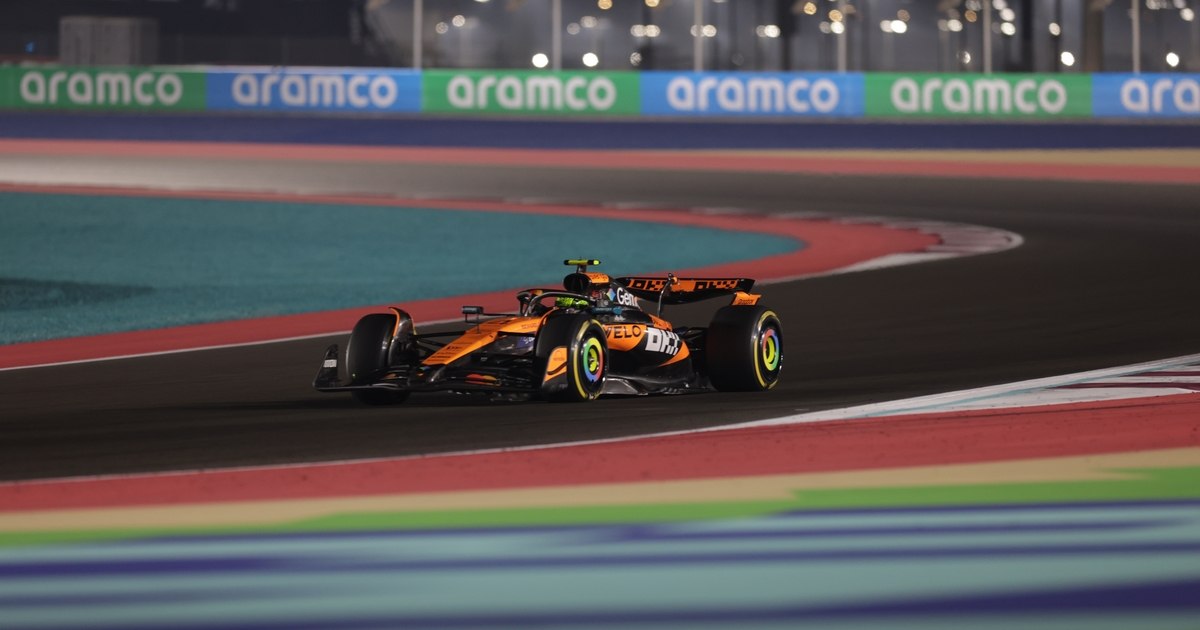
The 2025 Formula 1 Championship has come to an end, with McLaren's Lando Norris crowned world champion after an epic battle with Red Bull's Max Verstappen, and with it an era. The radical technical regulations for 2026 represent much more than a sporting evolution.
McLaren's Lando Norris became world champion in 2025. File photo
Specifically, it's a shift to a balanced hybrid powertrain that reflects a fundamental transformation underway in global automotive markets, where hybrid electric vehicles are experiencing explosive growth as manufacturers recalibrate their electrification strategies.
The centerpiece of the F1 2026 regulations mandates an unprecedented power distribution: 50% internal combustion engine and 50% electric. This represents a dramatic change from the current generation, where internal combustion engines produce around 550 kw, while electric motors contribute only 120 kw, an 80-20 ratio that strongly favors traditional propulsion, points out eToro analyst Bogdan Maioreanu.
According to him, the new configuration reduces the combustion-based power to 400 kw, while tripling the electric power to 350 kw, with an energy recovery during braking that doubles. In addition, the new rules mandate the use of 100% sustainable fuels, transform the DRS (Drag Reduction System) into active aerodynamics/hybrid power-boosting systems and mandate a 30kg reduction in the weight of the cars.
Although fans and drivers have expressed concern about the impact of these drastic changes on the spectacle of racing we will see on the circuits next year, these new rules actually reflect the new reality in the automotive industry. Electrification is a reality and adoption of hybrid technology is on the rise, the analyst added.
The latest data from ACEA (European Automobile Manufacturers Association) shows that in the first 10 months of this year, hybrid-electric vehicles (HEVs) are the most popular among buyers in the EU, and in this category plug-in hybrids (PHEVs) continue to gain ground. Of the total new registrations, 34.6% were HEVs and 9.1% were PHEVs, while 16.4% were battery electric vehicles. In total, they represent 60% of the market. In Romania, sales of hybrid cars (which also include PHEVs) represent 49.1% of the new vehicle market, while battery-only vehicles (BEVs) represent 5.3%.
Market share
Goldman Sachs Research has raised its forecast for hybrid electric vehicle market share to 12 percent globally by 2030, up from 9 percent in previous forecasts, while reducing expectations for battery electric vehicle shares from 28 percent to 25 percent.
Hybrid electric vehicles (HEVs) will likely help fill the gap created by slowing sales of battery electric vehicles. The researchers note a structural shift toward hybrids in the U.S. market as well as among Japanese and Korean manufacturers, noting that hybrid power persists even amid low gas prices, driven by consumer demand for both fuel efficiency and power performance.
F1 2026 comes with changes in terms of teams as well. In 2026 we will see 11 teams competing with 22 cars on the circuits. Cadillac Racing is the new team in F1, and Audi takes over Sauber. Ford will also collaborate with the Red Bull team in the manufacture of their engines.
But if we look at the valuations of shares of automotive companies on the stock market this year, at the top of the ranking are the same American car manufacturers that are ready to compete in the F1 championship in 2026: the share price of General Motors (the owner of Cadillac) has increased by 51% since the beginning of the year, and Ford by 35%. Among the German manufacturers, the VW Group (owner of Audi) registered a 34% increase, and Mercedes-Benz, 28%.
The 2026 regulations place Formula 1 at the intersection of performance and sustainability, validating the automotive industry's adoption of hybrid technology as a pragmatic bridge to full electrification. As car manufacturers expand their production of hybrid vehicles, Formula 1 is joining the trend, and the message is clear: the future of mobility is hybrid, and both the racetrack and the showroom are accelerating in the same direction.