The Czech Republic wants to build two new nuclear reactors, an investment of 19 billion dollars

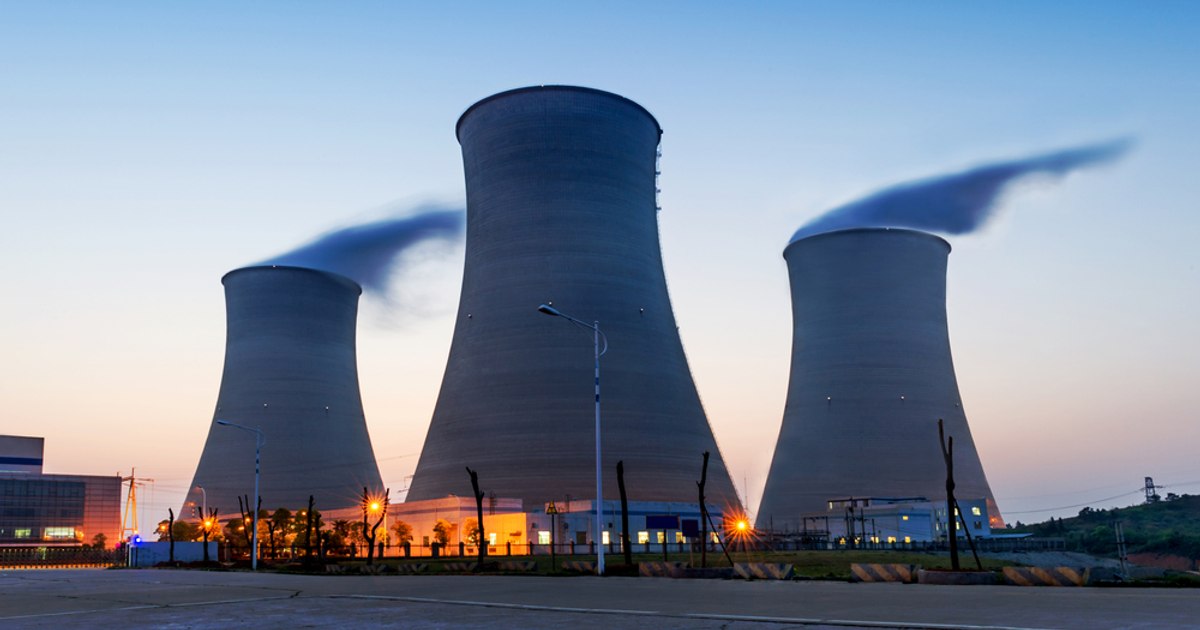
The Czech Republic wants to build two new reactors at the Dukovany plant, a $19 billion project that should at least double the country's nuclear power output and cement its place among Europe's most nuclear-dependent nations.
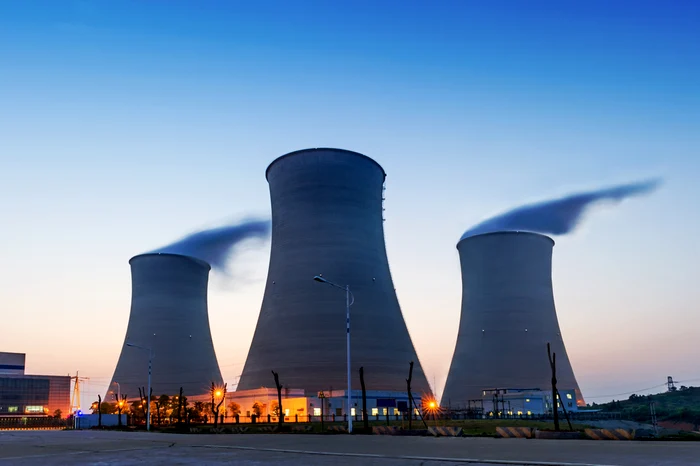
The Czech Republic wants to build two new nuclear reactors
The South Korean group KHNP beat the French group EDF in a tender to build a new plant whose two reactors will have a power of more than 1,000 megawatts each. After they become operational, in the second half of the 2030s, they will complement the four 512 MW reactors already operating at the Dukovany plant, which date back to the 1980s.
The agreement with KHNP gives the Czechs the option to build two more units at the other nuclear plant in Temelin, which currently has two 1,000 megawatt reactors.
They would later be supplemented by small modular nuclear reactors.
“Nuclear power will generate between 50% and 60% of Czech electricity production around 2050, possibly even slightly more“, said Petr Zavodsky, director for the Dukovany project, in an interview with the Associated Press.
Expanding nuclear power generation capacity is needed to help the country transition away from fossil fuels, ensure a steady and reliable supply at a reasonable price, meet emissions reduction requirements and meet robust demand for electricity expected in the coming years to power data centers and electric cars, Zavodsky said.
The construction of new nuclear reactors in the Czech Republic comes at a time when growing energy demand and looming deadlines for countries and companies to drastically reduce carbon pollution are helping to revive interest in nuclear technology. Although nuclear energy produces waste, it does not generate greenhouse gases such as carbon dioxide, the main driver of climate change.
The government in Prague will have 80% of the shares
The European Union has accepted nuclear energy by including it in the classification system of environmentally sustainable economic activities, opening the way to financing. This was a boost for the Czech Republic, Slovakia, Hungary and France – the continent's nuclear leader – which have relied heavily on nuclear power.
Belgium and Sweden recently abandoned plans to phase out nuclear power. Denmark and Italy are reconsidering its use, while Poland is set to join a club of 12 nuclear-friendly nations in the European Union after signing a deal with US-based Westinghouse to build three nuclear units.
The costs of the Dukovany project are estimated at over 19 billion dollars, with the Government of Prague agreeing to acquire a majority stake of 80% in the new plant. The government will provide a loan for the new units that CEZ will repay over 30 years. The state will also guarantee a stable income from electricity production for CEZ for 40 years. Approval is expected to be granted by the EU, which aims to become “climate neutral” by 2050.
“We are in a good position to argue that we will not be able to do without new nuclear units. Today, we get about 40% of our electricity from nuclear power, and another 40% from coal. It is clear that we need to replace coal”Zavodsky said.
Although atomic energy enjoys public support, skeptical voices can be heard both in the Czech Republic and abroad.
The environmental NGO Friends of the Earth says that nuclear power is too expensive and that the money could be better used to modernize the industry. Also, the Czech Republic still does not have a permanent repository for spent fuel. The Dukovany and Temelin plants are located near the border with Austria, which abandoned nuclear power after the Chernobyl nuclear explosion in 1986. In 2000, a dispute over the Temelin nuclear plant led to a political crisis and blocked border crossings for weeks.
Austria remains the most skeptical country in the EU when it comes to nuclear power, and the lower house of Parliament in Vienna has already rejected Czech plans to build small modular reactors.