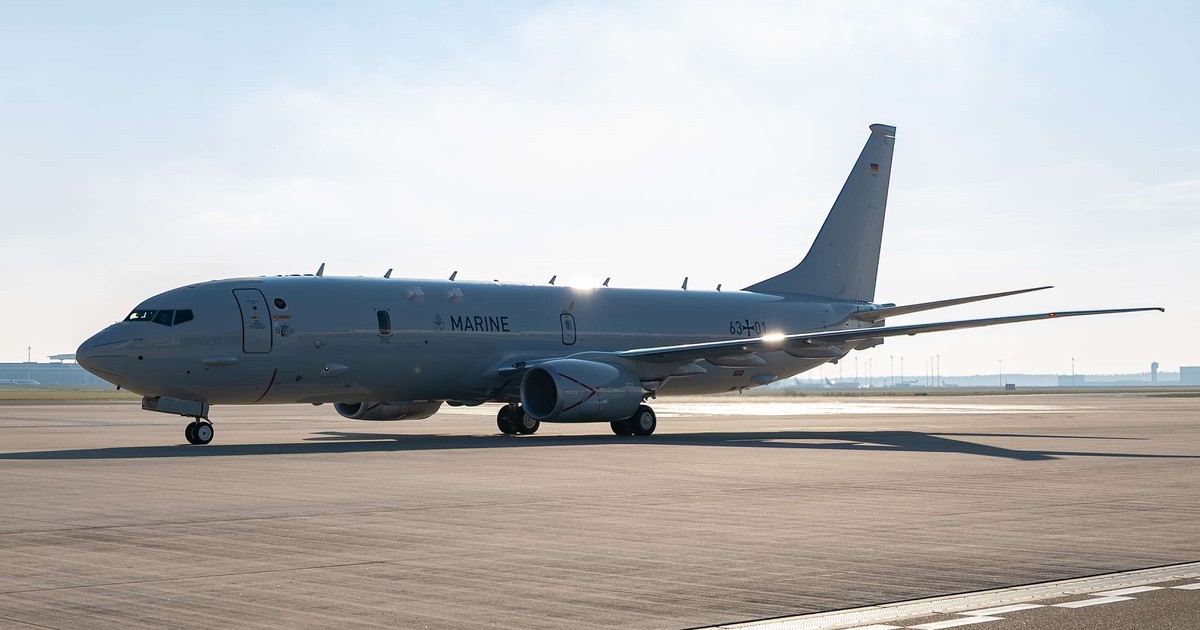
NATO allies are stepping up their anti-submarine mission, and last week the first aircraft from the new Poseidon fleet arrived in Germany.
P-8A Poseidon are patrol and reconnaissance aircraft manufactured by Boeing, developed for the US Navy. Armed with torpedoes and anti-ship missiles, they can perform a variety of missions, including tracking and anti-submarine warfare.
Germany received the first of the eight P-8As ordered on November 7, four years after placing the order, the Ministry of Defense announced.
The rest of the article is below the video
Read also: Germany transfers 40 million euros to Ukraine. “To Survive the Winter”
Poseidon is a breakthrough for the German Navy
Defense Minister Boris Pistorius described the P-8 Poseidon as a significant addition to the navy, highlighting advanced sensors and weapons, easier operation thanks to a design based on the Boeing 737, and closer cooperation with other NATO allies.
“They are suitable for reconnaissance on the high seas, but above all for hunting submarines,” the German Ministry of Defense said. It added that the P-8A would be armed with torpedoes, depth charges, and later also anti-ship missiles.
It is not known exactly when Germany will receive the remaining seven machines, but all of them are expected to be delivered by 2029. In addition to the eight ordered aircraft, Berlin has the option to purchase another four.
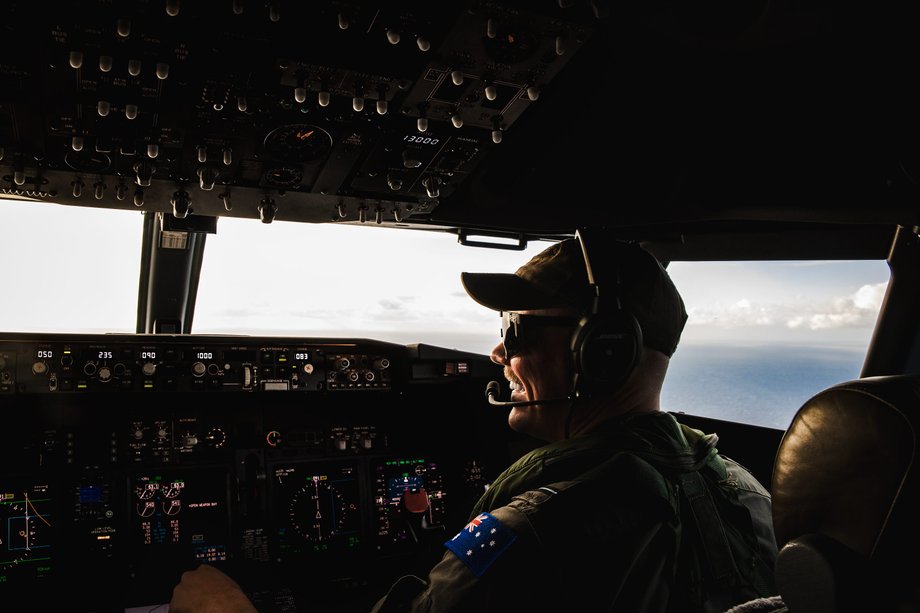
An Australian P-8 pilot during an anti-submarine warfare mission as part of Exercise Rim of the Pacific (RIMPAC) 2024.
|
Corporal Adam Abela, Royal Australian Air Force/Australian Defense Force Imaging Specialist
With the new “submarine hunter”, Germany joins the US, UK and Norway, which also operate Poseidons. Canada is also ordering these planes.
German P-8As will be able to operate from allied bases such as Lossiemouth – the RAF base in Scotland – and support NATO's broader deterrence efforts against the threat posed by Russian submarines in the North Atlantic and in areas such as the North Sea and the Baltic.
Adm. Stuart Munsch, commander of U.S. Naval Forces Europe and Africa, told Business Insider earlier this year that purchasing the P-8 is key to expanding allies' anti-submarine capabilities.
“With the purchase of new ships, planes and equipment, the technology of the allies is getting better and better,” he said.
Read also: Sovereignty, allies, development. Three key questions for Independence Day [OPINIA]
Russian submarines – a growing threat to NATO
Russia is increasing its military presence in the North Atlantic and the Arctic, especially underwater, which is causing concern for the US and NATO allies. The increase in submarine activity around Europe has prompted the alliance to strengthen its anti-submarine capabilities, investing in new systems and training for reconnaissance and, if necessary, combat operations.
Russian submarines, such as the Yasen-class, are quiet and difficult to detect. One appeared off the coast of Cuba last year before taking part in military exercises in the area. These units often attract the attention of the US and NATO.
The alliance has also noted an increase in threats to critical underwater infrastructure in Europe, including gas pipelines and data cables, since the beginning of the war in Ukraine, raising questions about what capabilities Russia may develop to conduct malicious activities underwater.
How does NATO strengthen its anti-submarine capabilities?
In addition to patrol aircraft such as the P-8A, Western countries can track Russian submarines using their own submarines, as well as helicopters and patrol vessels. Drones are also playing an increasingly important role in this mission.
The article is a translation from the American edition of Business Insider.