Viktor Orban believes that Donald Trump will save him from the European Union and electoral defeat


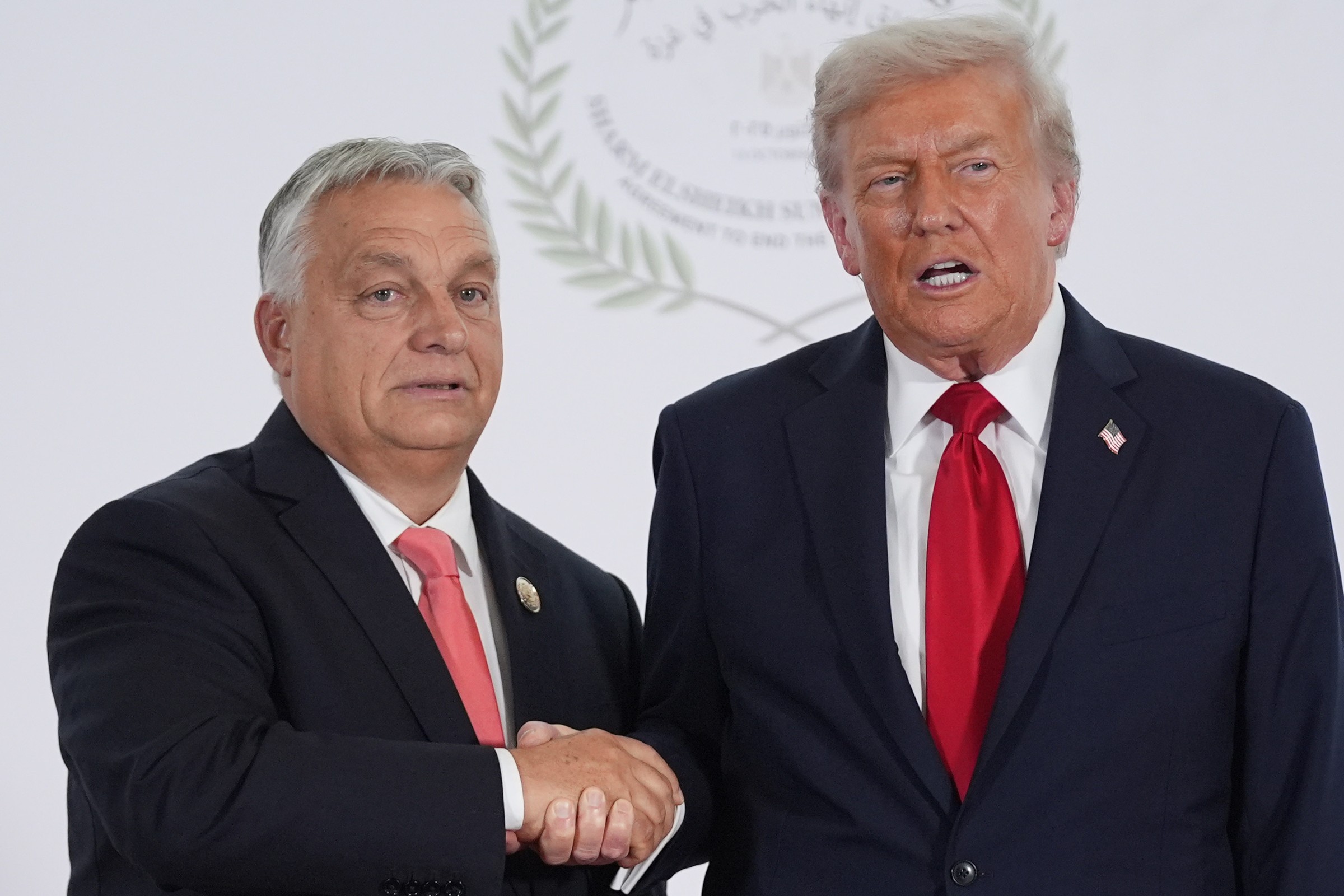
Orban, a longtime Trump ally, flew to Washington last week to meet with the American leader. After returning to Budapest, the Hungarian Prime Minister informed his colleagues that the United States had agreed to provide a “financial shield” to Budapest.
What explanations does the Hungarian opposition demand from Orban?
What did Orban mean by 'financial shield'?
What are the similarities between Hungary and Argentina?
Why might Orban need support from Trump?
— Some Brussels instruments that could be used against Hungary can now be considered ineffective… Concept […] that the Hungarian economy can be strangled financially can now be forgotten, Orban said, according to local media, adding that “we have resolved this issue with the Americans.”
After 15 years in power, Orban faces potential defeat in next year's elections. Orban's comments, which refer to EU funds owed to Hungary but frozen over fears of a rollback on the rule of law, sparked questions on Monday from Péter Magyarthe leader of the Hungarian opposition, which is ahead of the ruling Fidesz party in opinion polls.
“Why like this financial shield was necessary? Is the country on the verge of bankruptcy? What does Viktor Orban intend to spend trillions of forints from American loans on? Why is he putting his fellow citizens in debt instead of bringing home the 8 trillion forints of EU funds owed to Hungary? Magyar asked in a post published on social media.
Distance from the EU
Hungarian media outlet Válasz Online reported that Trump and Orbán could commit to a currency swap between their countries' central banks — similar to the $20 billion exchange rate stabilization deal that Argentina signed with the U.S. last month — essentially a rescue package for Budapest.
If so, it would be the second time Trump has provided financial aid to a right-wing ally ahead of a key election, after he approved a rescue package for Javier Mileilibertarian president of Argentina.
This intervention was organized by the Secretary of the Treasury Scott Bessentincluded a direct purchase of Argentine pesos by the United States and a swap agreement worth $20 billion. Bessent also announced plans to raise an additional $20 billion. from private financing sources, although this money has not yet appeared.
But there are also differences that make the agreement between Washington and Budapest more difficult to understand. The Hungarian central bank has no dollar swap agreements with the U.S. Federal Reserve, and Hungary has no formal backstop—that is, a fiscal disaster financial assistance agreement—with the Federal Reserve.
Many of these considerations are now purely academic, as Hungary is in a much better economic situation than Argentina – it doesn't even need financial aid. Hungary, like many EU countries, has weak economic growth, but the main risks to its financial stability under Orbán's leadership come from a potential drift away from the EU.
Similarities to Argentina
The United States' intervention in Argentina was a political success for Milei, whose party won a decisive victory in the October 27 elections, allowing him to pursue the country's radical economic reform.
Trump celebrated the result, saying it “brought big gains to the United States.” Bessent also said the U.S. investment “made a profit.” However, the administration has not released any details about the full extent of the United States' involvement or the gains it allegedly made because of Milei's party's victory. Bessent said the financial intervention in Argentina was aimed at countering China's growing influence in Latin America and, more broadly, at asserting America's economic power in the Western Hemisphere.
Trump's relationships with Budapest and Buenos Aires show clear similarities. The White House supports key partners in regions where many leaders are not natural allies of the US president. The White House also sided with Orban over the Hungarian leader's refusal to stop buying Russian oil despite European pressure to shift away from exports from Moscow, exempting Hungary from U.S. sanctions on Russian energy for a year after his meeting with Trump.
Further financial support from Washington may encourage Orban, who is often a thorn in the EU's side, to take an even more radical stance towards Brussels.