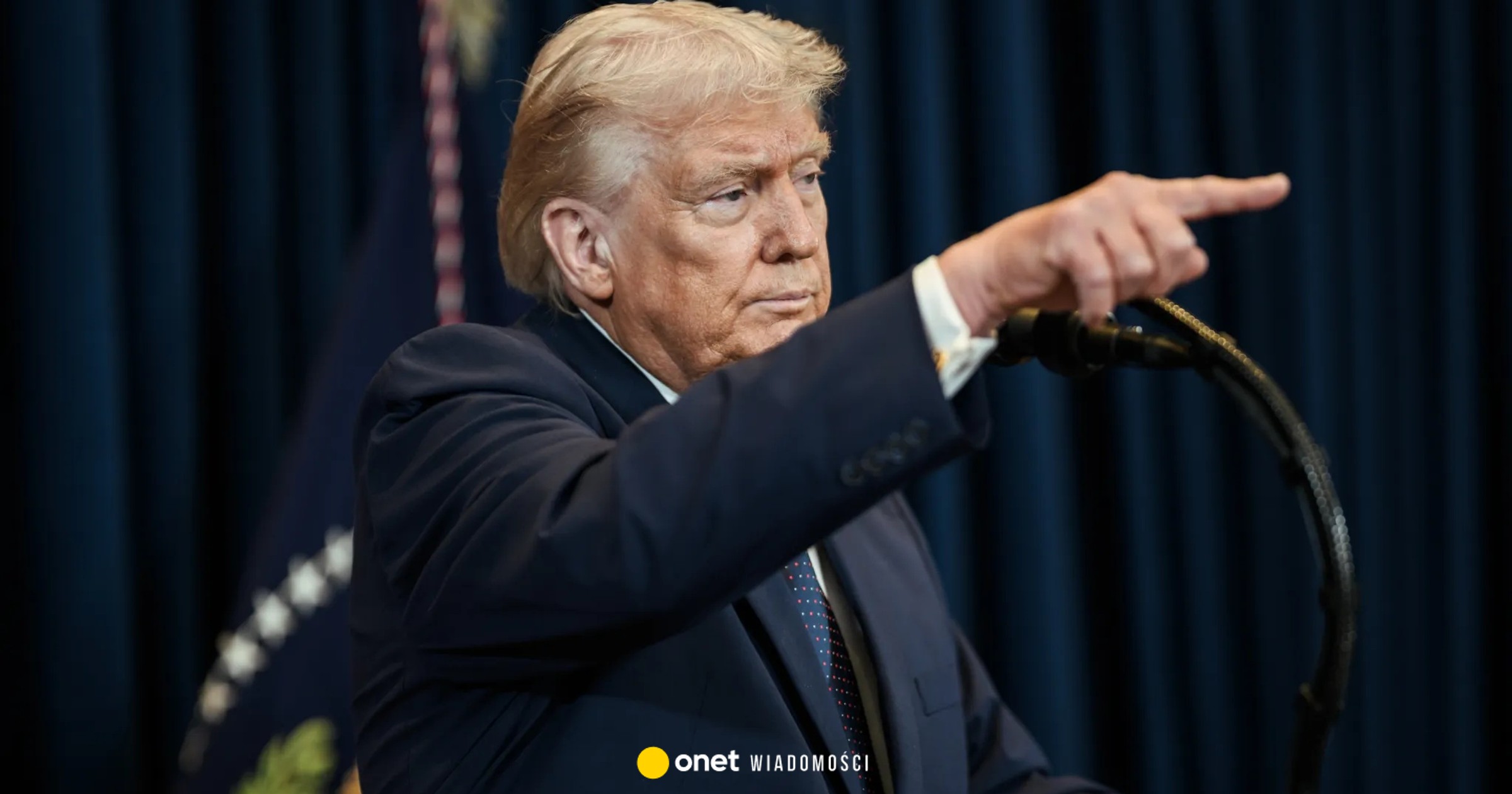
The annual resolution submitted by Ukraine to the Third Committee of the United Nations General Assembly — formally titled “The human rights situation in the temporarily occupied territories of Ukraine, including the Autonomous Republic of Crimea and the city of Sevastopol” — has been a diplomatic pillar for years, reaffirming international support for the war-torn country's sovereignty and documenting human rights violations in Russian-held areas.
Last December The United States joined 77 other countries in voting for the measure, which passed by 78 votes. The text clearly recognized Ukraine's territorial integrity and sovereigntycondemned Russia's annexation of Crimea and detailed the deteriorating human rights situation in the occupied territories.
Now Washington wants those references removed. Two diplomatic sources told the Kyiv Post that the US side is pushing to recast the resolution by using the more general slogan “war in Ukraine”, without references to “territorial integrity” or “aggression”.
In private talks, Western partners have expressed concerns that the move would have the effect of diluting the most consistent annual U.N. condemnation of Russia's invasion — and signal a sharp break with the bipartisan consensus that had held since 2014.
– This is another example Washington's departure from Ukraine's basic interests at a key diplomatic moment, one European diplomat tells the Kyiv Post. — If this wording is maintained, Moscow will receive the message that the United States is no longer a leader in defending the international order.
Key vote at the UN. Foundations for punishing Russia
The Third Committee of the UN General Assembly, which deals with human rights and humanitarian issues, is expected to vote on the resolution in the coming weeks. Diplomats from several European countries are still expected to lobby for the US to change course before the vote.
The stakes are high for Kiev. The resolution not only condemns the Russian occupation, but also lays the groundwork for future accountability efforts at the International Criminal Court and other international institutions.
The dispute comes at a time when the Independent International Commission of Inquiry on Ukraine presented its latest findings to the same UN commission. In its report of October 27, the Commission stated that Russian forces commit crimes against humanity — including murders and forced displacement — through systematic drone attacks and forced deportations in the occupied territories.
The findings are based on hundreds of verified video recordings and over 200 eyewitness testimonies collected during 26 Commission field missions in Ukraine and neighboring countries.
During a visit to Kiev earlier this month, Commission President Erik Mose and his colleagues Pablo de Greiff and Vrinda Grover met with government officials and victims, emphasizing what they called “reasonable grounds to believe” that Russia's campaign of displacement and violence is deliberate and coordinated.
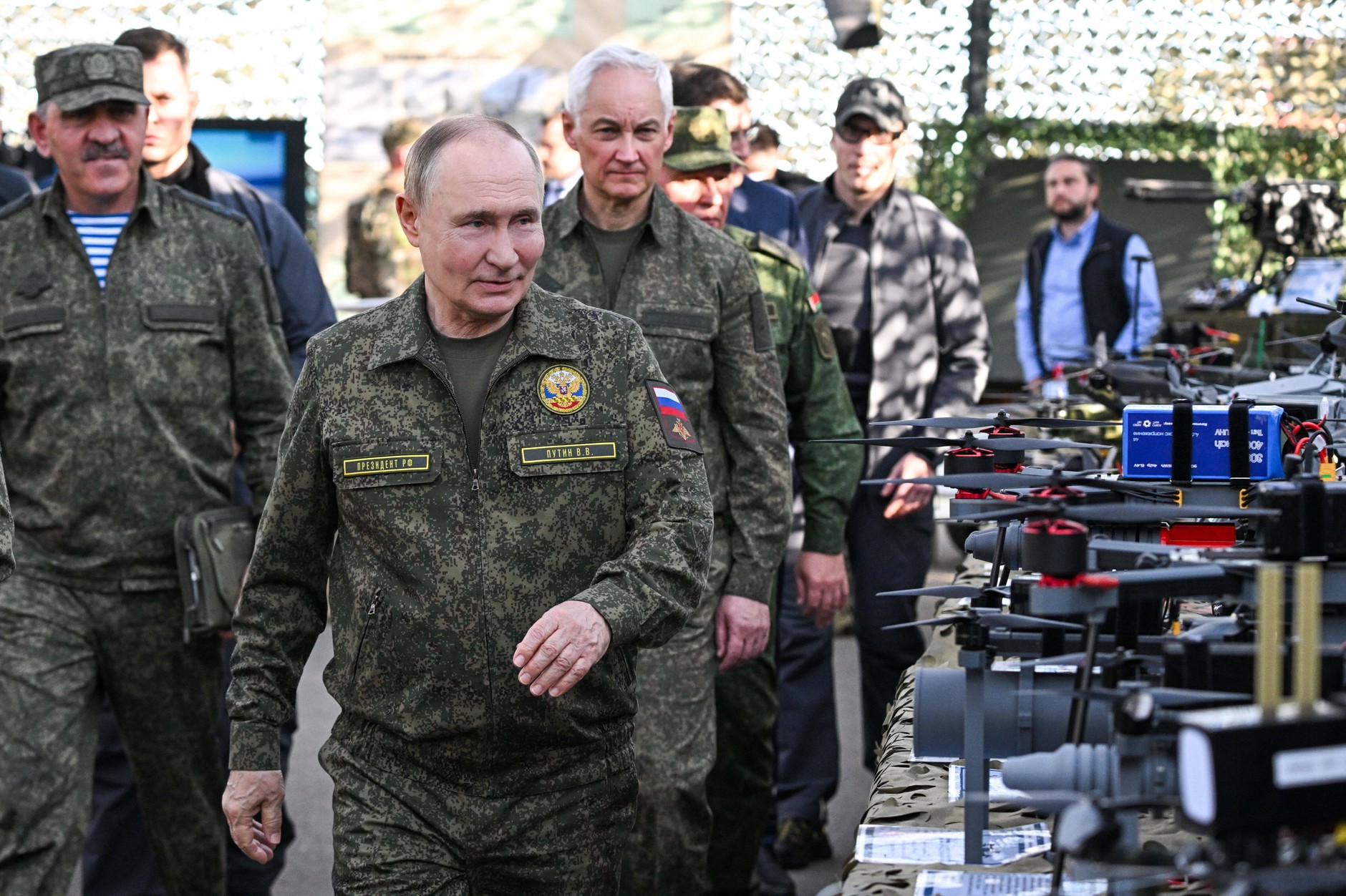
Vladimir Putin, President of Russia, inspects weapons and equipment during the Russian-Belarusian military exercises Zapad 2025. Mulino, September 16, 2025.PAP/EPA/SERGEY BOBYLEV/SPUTNIK/KREMLIN POOL / POOL / PAP
“These are not isolated incidents,” Mose said while presenting the report. — They are part of state policy aimed at erasure of Ukrainian identity and presence in the occupied territories.
Ukraine's territorial integrity is again up for negotiation
For many in the U.N. diplomatic community, the Trump administration's latest position resonates earlier episodes in which Washington broke from the ranks of allies — from the short-term suspension of aid to Kiev in 2019 to previous attempts to soften language regarding Russia's responsibility in international forums.
While U.S. officials say the change reflects efforts to make the resolution “more inclusive” and “forward-looking,” Western diplomats privately describe it as part of a broader pattern of downplaying references to Russian aggression in multilateral arrangements.
“It's not about semantics,” says one of the European diplomats involved in the negotiations. — The issue is whether the world will continue to consider the Russian occupation illegalor will he start treating it as a fait accompli – emphasizes the diplomat.
Allies face the upcoming vote they hope the White House will reconsider the issue. For now, though, the message from the administration seems clear: America's commitment to defending Ukraine's borders — once a pillar of transatlantic unity — is once again up for negotiation.