The capital of Iran, with a population of over 10 million, consumes approximately three million cubic meters a day. water. This enormous demand, combined with the current rate of drying up of reservoirs, means that the metropolis may soon become uninhabitable.
“If it doesn't rain in Tehran by the end of November, we will have to ration water. And if it still doesn't rain, we will have to evacuate Tehran,” Masoud Pezeshkian said on Friday, November 7.
“With such supplies, Tehran can only be supplied with water for two weeks,” warned Behzad Parsa. Why did the disaster in Iran take on such dimensions?
“If we do not make urgent decisions today, we will face an unresolvable situation in the future,” Iranian President Massoud Pezeshkian warned on July 28. Meanwhile, over the following months, the hydrological situation in the Iranian capital only worsened – and drastically.
Kaveh Madani, director of the Institute of Water, Environment and Health at the United Nations University, spoke in a similar spirit at that time. “We are talking about a possible day zero in a few weeks,” he said, quoted by CNN.
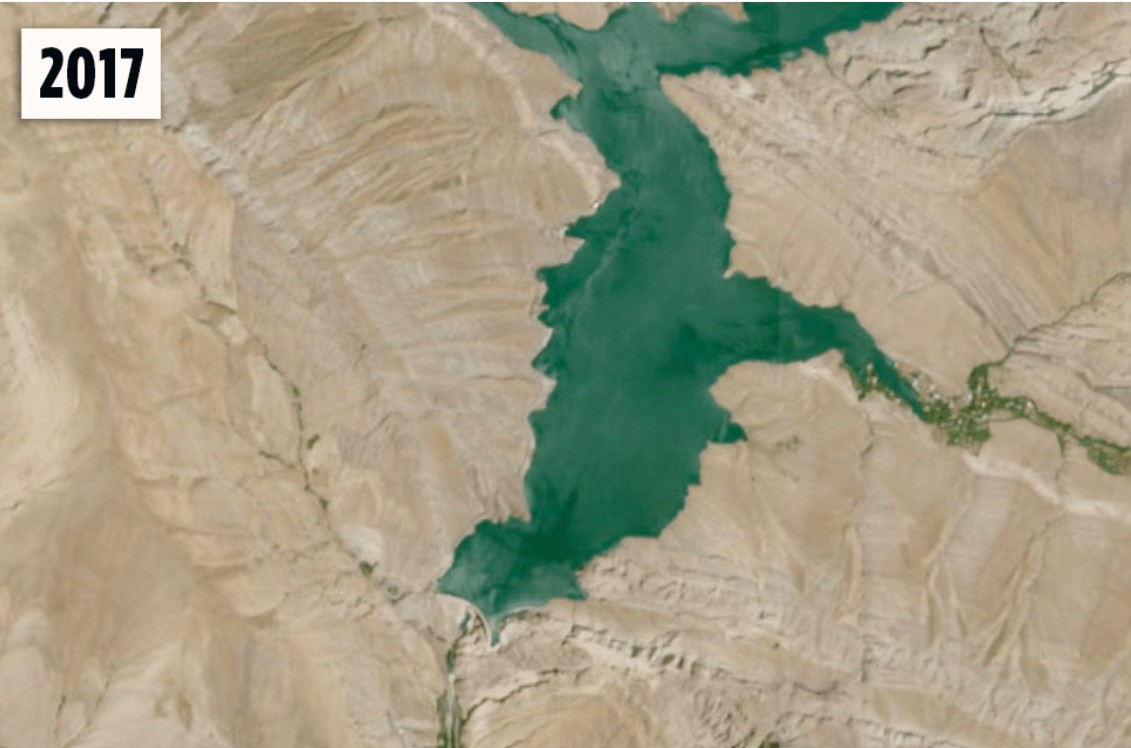
Satellite images of water resources at the Amir Kabir Dam, 2017.BILD
According to media reports, as part of measures to save water, supplies to several districts of the city have been interrupted in recent days. Similar situations have occurred many times this summer.
Over the years, resources at the Amir Kabir Dam – the largest of the five reservoirs supplying the Iranian capital with water – have clearly decreased, as seen in satellite images.
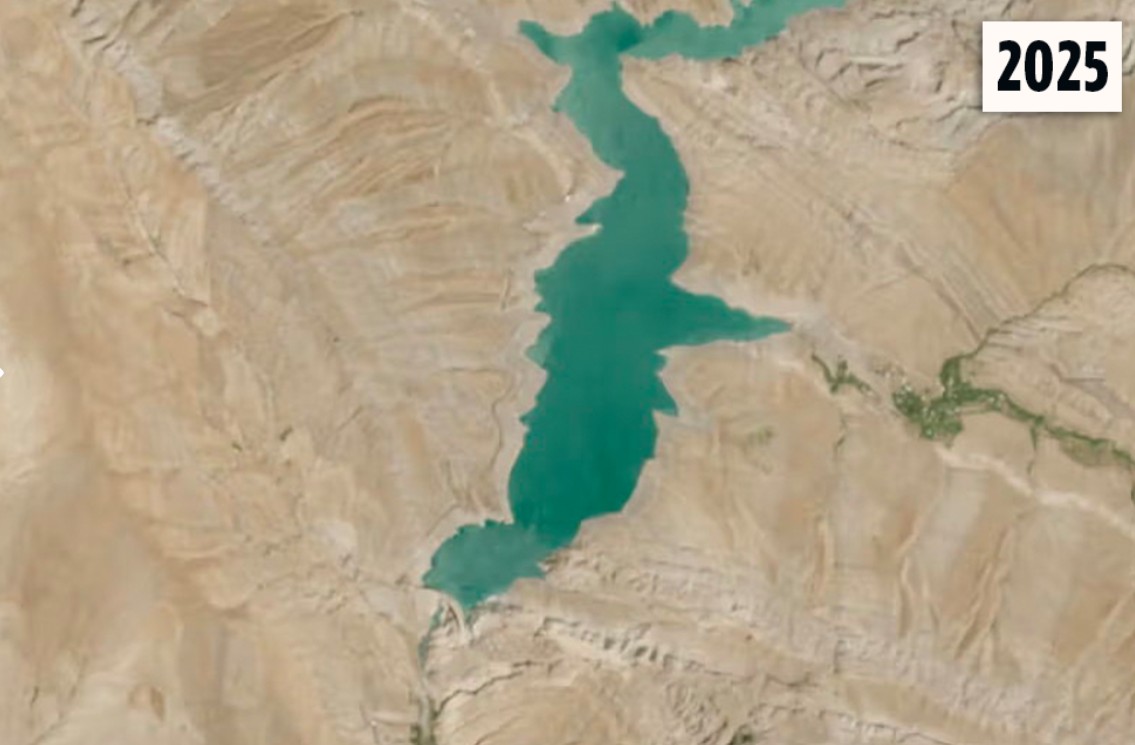
Satellite images of water resources at the Amir Kabir Dam, 2017.BILD
“The ecological crisis often led to political protests against the regime”
As Middle East expert Seth Frantzman claims in an interview with the Bild daily, Tehran's disastrous hydrological situation is intensifying at a time when “Iran is struggling with Western sanctions and the weakening of its network of influence in the Middle East.”
— The ordinary population will probably suffer again due to the fact that the Iranian regime wasted its financial resources on networks of influence, militias and missiles – instead of investing in national infrastructure – continues the expert.
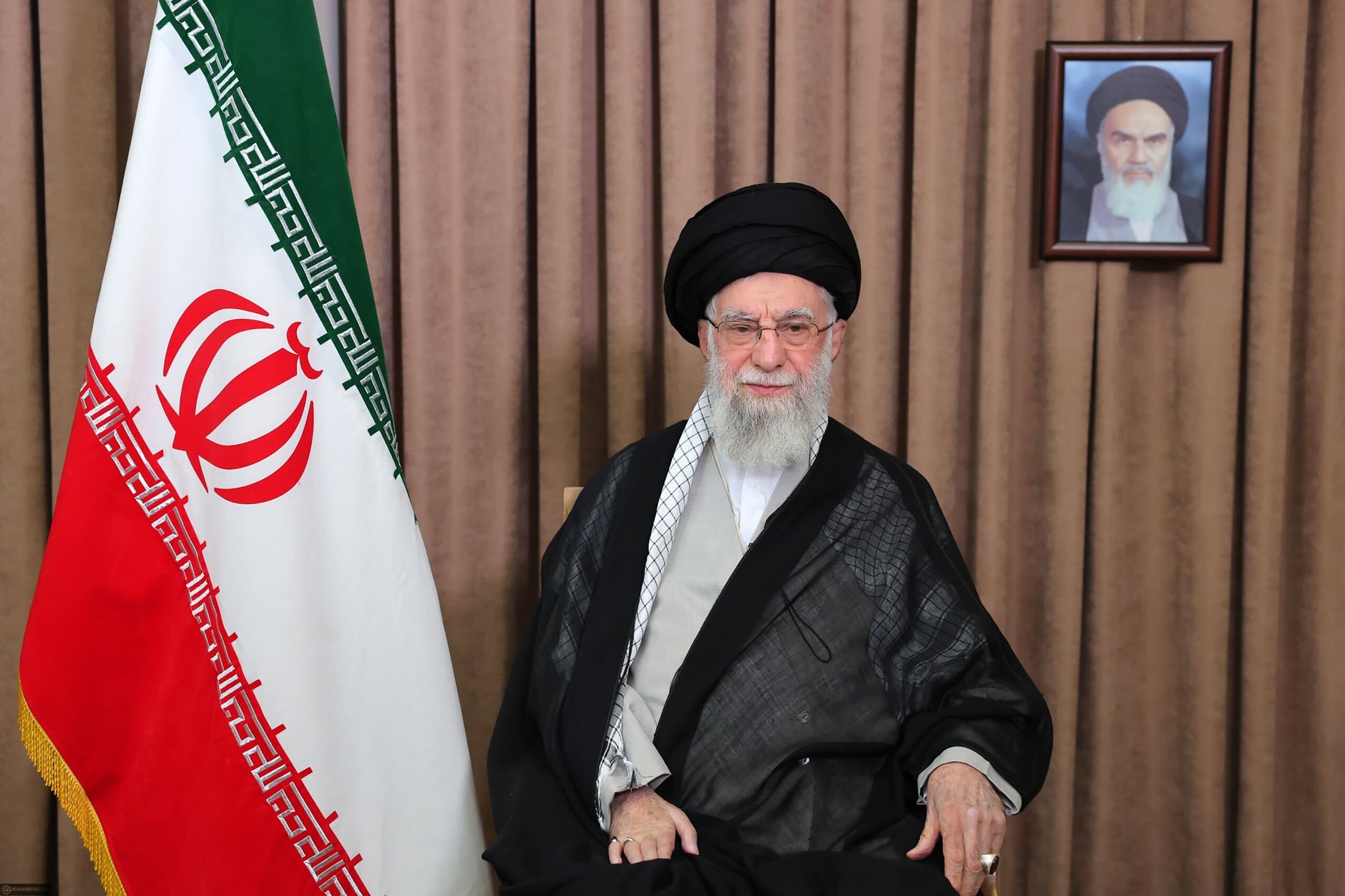
Supreme Leader of the Islamic Republic of Iran Ali Khamenei (illustrative photo)Office of the Supreme Leader of Iran via Getty Images / Handout / Getty Images
The independent international think tank Center for the Middle East and Global Order (CMEG) also recently addressed the water crisis in Iran in its report “Iran and Regional (In)stability and Security.” According to experts, what is particularly disturbing is that The crisis goes beyond dams and also concerns vanishing wetlands and depleted groundwater resources in [innych częściach] country“.
Moreover, there are no signs that the Iranian authorities intend to change their course, so the situation will most likely continue to deteriorate. Experts write in their report: “in the last decade, the ecological crisis often led to political protests against the regime and its authorities.” It may be the same now.
In response to the natural disaster, the authorities are considering limiting the work of offices or even moving the capital. Such a solution would be a last resort, but it is not excluded in the face of the growing hydrological crisis.