On Friday, MPs passed an act that is intended to help fight drunk drivers and illegal car races and rallies on public roads.
According to it, if a driver has between 0.5 and 1.5 per mille of alcohol in his blood or is subject to a driving ban, the court will be able to decide on the forfeiture of the vehicle. If the alcohol concentration exceeds 1.5 per mille, the court will be obliged to order forfeiture, except for justified special circumstances. Moreover, the possibility of imposing a suspended sentence will be limited for drivers with alcohol levels exceeding 1.5 per mille. MEPs also added an amendment according to which, if the court is unable to order the forfeiture of the vehicle for driving under the influence of alcohol, it will award compensation ranging from PLN 5,000 to even PLN 500,000. zloty. Currently, the upper limit is 100,000. zloty.
See also: Drunk driving? We explain what the consequences are
Meetings of car owners after reporting
The act also defines an illegal race. It is a competition between at least two drivers who want to cover a specific section of road in the shortest possible time and in violation of road safety rules. Organizing or participating in illegal races will be punishable by imprisonment from three months to five years. As the authors of the project emphasize, this type of events are becoming more and more burdensome and negatively affect the sense of safety among drivers and pedestrians.
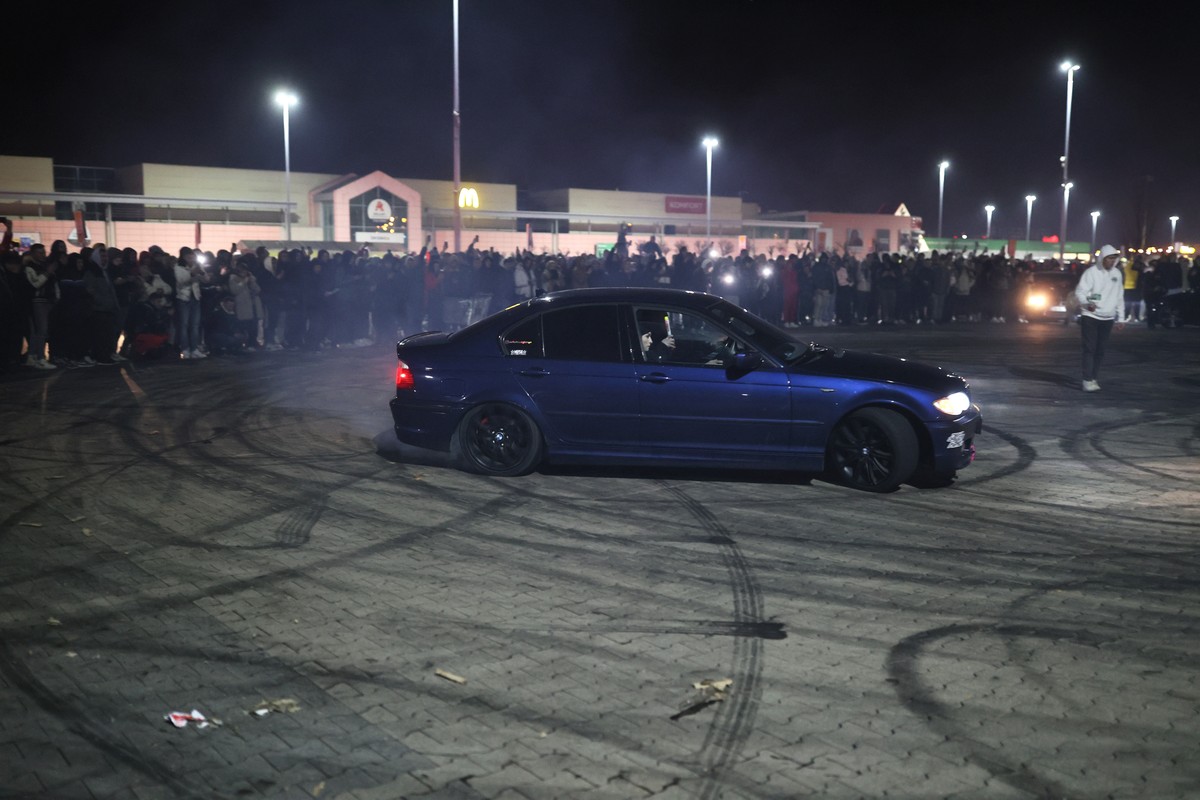
Drift is also to be punished, i.e. “intentionally causing the vehicle to skid or causing it to lose contact with the road surface, at least of one of the vehicle's wheels, performed during a public meeting, without the required permit.” The regulation will also cover motorcyclists who ride on one wheel.
The new regulations assume that organizers of meetings or rallies of vehicle enthusiasts, especially to present modifications, will have to report such a meeting to the commune in advance. The rally will therefore be treated similarly to a public meeting.