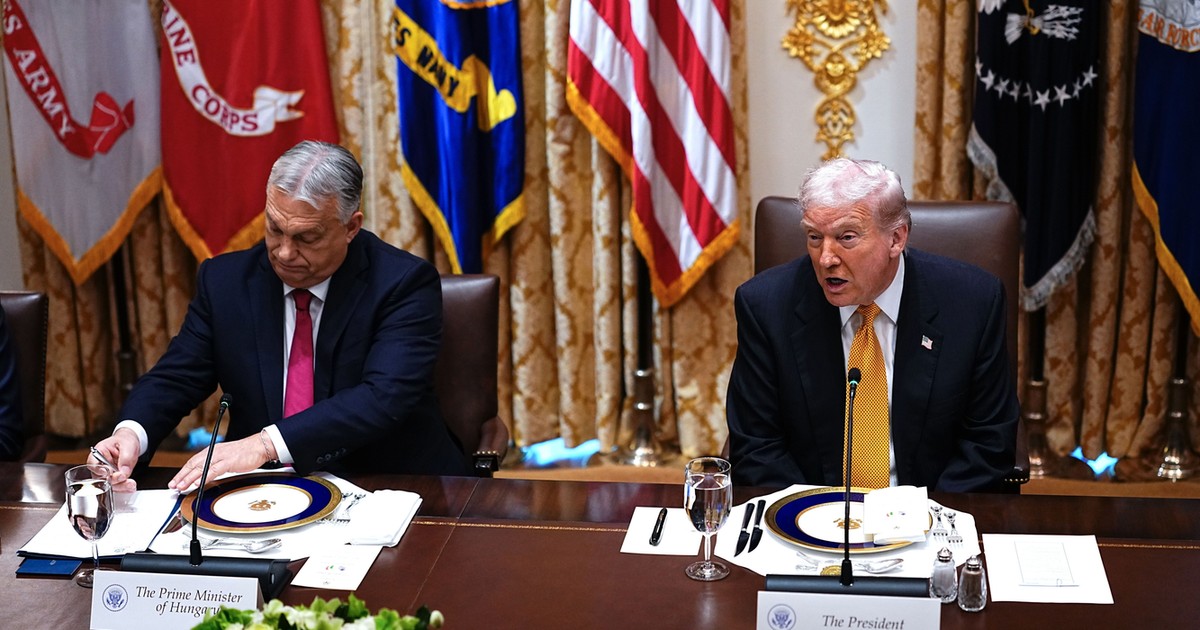
During the conversation, Trump emphasized that Hungary, unlike many other European countries, is struggling with difficulties related to the lack of ports and alternative sources of raw material supplies. He noted that he is “considering” excluding Hungarian entities from the consequences of sanctions imposed on Russian oil companies. He added that Hungary is a large, “wonderful country” that finds itself in a difficult energy situation.
Last week, Trump revealed that despite Orban's requests, Hungary has not yet been exempted from sanctions. US Ambassador to NATO Matthew Whitaker previously pressed Budapest to present and implement a plan to become independent from supplies of raw materials from Russia. During the meeting in Washington, Orban emphasized that the Druzhba pipeline is a “physical reality” and not a political or ideological issue. He stressed that he would lead negotiations to solve the problem, while at the same time questioning the possibility of meeting Hungary's energy needs using the JANAF pipeline from Croatia. According to the Prime Minister, its capacity is insufficient and increasing transmission would require significant investments.
Orban's visit to the White House, the first in six years, focused on energy-related topics. According to the representative of the Hungarian delegation, the parties plan to sign an agreement on the purchase of American nuclear fuel for the power plant in Paks. During the talks, issues related to the war in Ukraine were also discussed. Trump said he was talking to Orban about possible ways to end the conflict, emphasizing that the Hungarian prime minister knew Vladimir Putin well. He expressed hope that the war could end “in the not too distant future.”
Orban stated that both the US and Hungary are the only Western countries seeking peace in Ukraine, while other European countries want to continue the conflict, believing in Ukraine's victory. When Trump asked whether Ukraine could win the war, Orban replied that “miracles do happen.”
During the meeting, Trump also referred to the withdrawal of the American brigade rotating in Romania. He assured that the number of US troops in Europe will remain unchanged, and the changes only concern the method of their rotation. Pentagon chief Pete Hegseth confirmed that decisions were made in full coordination with NATO, and part of the forces will remain in Romania.
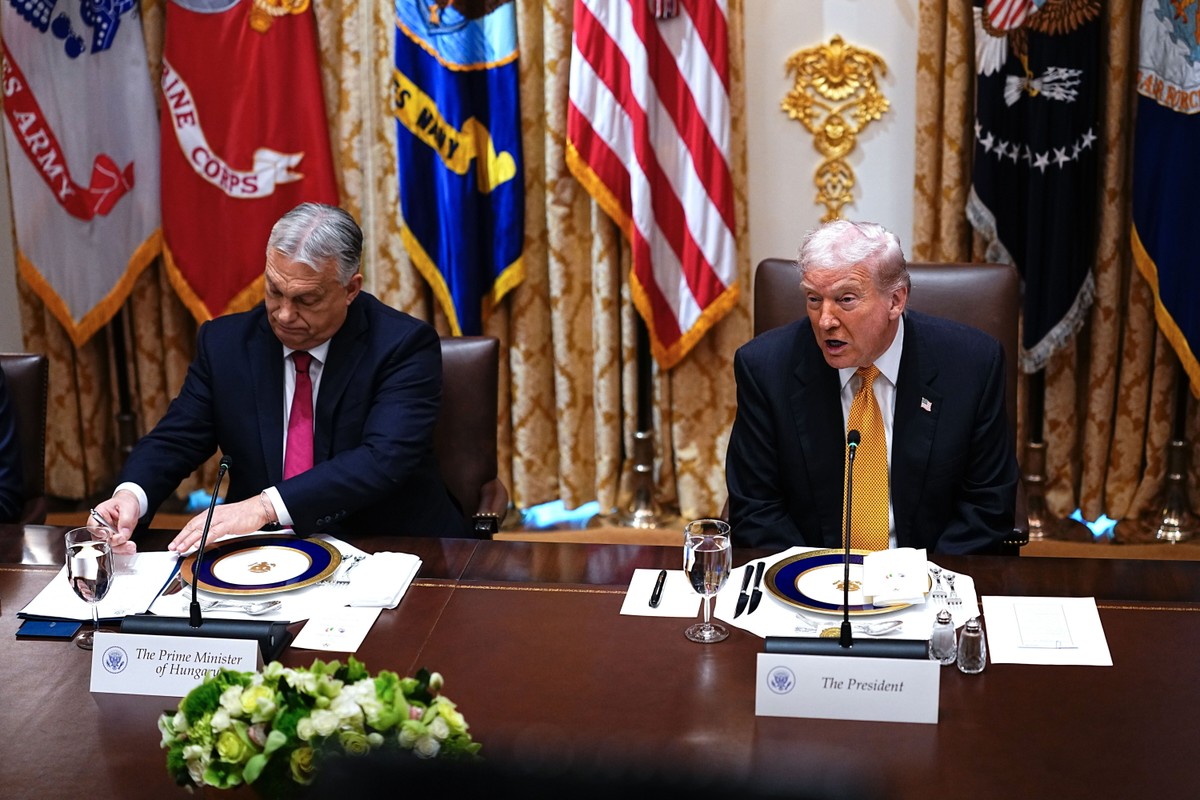
During talks in the White House Cabinet Room, Trump repeatedly praised Orban as a “great leader” who is respected by many, although not everyone likes him. He emphasized that he agreed with him on the issue of migration and appreciated his actions to reduce crime. When asked by Hungarian journalists about the possibility of supporting Hungary in the dispute with the European Union, Trump said that European leaders were his friends, although he noted that they might envy Orban's position on immigration. He expressed the opinion that European leaders “deep down” agree with the Hungarian Prime Minister, even though they officially disagree with him. He added that the flood of immigrants is changing the face of Europe, calling on European leaders to take action on this issue.