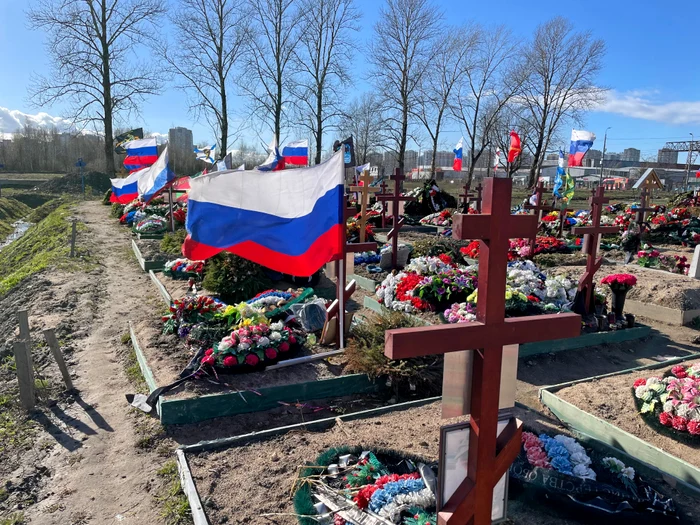
Russian soldier marriage scams have become widespread in Russia. Russian women who marry to receive benefits paid by the Russian state for relatives of those killed in battle are known as “black widows,” the WSJ reports.
shutterstock photo
The US publication consulted court documents relating to sham marriage offences. Some of these involve criminal groups.
Elena Sokolova was fined 3,000 rubles ($37) by a judge after she married a soldier, Sergei Handojko, immediately after he signed a contract with the Russian army. As a widow, the woman would have been entitled to $200,000, nearly 20 times the average annual salary in Russia.
The judge ruled that the soldier was deceived. According to the testimonies of those close to him, he got married the day after he enlisted. No one knew his bride and they were surprised to learn of the wedding they were not invited to.
Several lawsuits are pending in Russia in connection with these marriages of convenience.
Meanwhile, Russian lawmakers have tabled bills to toughen penalties in such cases or cut benefits.
More and more Russians saw an opportunity to profit from the war in the wake of the attractive offers for those who enlist – generous salaries, enlistment bonuses and huge benefits for descendants.
Payments due to the families of those killed in battle may reach 14.5 million rubles, about $180,000. Most of the recruits come from poor regions.
The money has attracted profiteers of all kinds, but also claims in court. The estranged fathers have resurfaced to reclaim some of their rights. Grandparents have claimed they are owed money after sacrificing to raise a grandson who met his end on a battlefield in Ukraine.
But criminal groups or women resorting to marriage to extort the Russian state are the cases that have particularly attracted the attention of Russian MPs and officials,
“These monsters have chosen to mock the most sacred thing – caring for the families of fallen heroes!” lamented MP Leonid Slutsky. He compared these women to the profiteering thieves during the siege of Leningrad in World War II.
A true phenomenon
According to legal experts, the extent of the phenomenon is difficult to estimate.
The marriage scam has also taken off on social media. On the Russian platform VK, dozens of groups for women looking for possible husbands among those serving in Ukraine have appeared – they have names such as “Dating with soldiers” and “Dating with epaulettes”, a euphemism for those in uniform.
But there are also organized gangs that prey on men interested in a contract with the Russian military and then lure them into a sham marriage, according to Russian authorities.
A gang operating in the Khanty-Mansiysk region (center) made 30 million rubles, about $370,000, from the scam, according to Russian investigators.
The profile of the ideal victim is a single man who has no heirs.
Against the background of the increase in these cases, Russian MPs have called for measures such as criminal liability in case of fake marriages, withdrawal of rights in case of divorce or those who married after the war.
“A Business Plan”
In April, a court in Siberia found real estate agent Marina Orlova guilty of hostile acts after urging women to marry soldiers for convenience. She spoke on a podcast about women buying houses with the money they received from the state after the death of their soldier husbands.
“It's very easy. Find a guy who is serving on the front and after he dies you get eight million,” Orlova said in the podcast. “It's a business plan.”
In a video posted online by local police, the woman apologized for her statement in the podcast, which was broadcast as an interview on YouTube. “I want to apologize for the video that was posted online – to the participants of the Special Military Operation, to the widows, mothers and wives,” she said, using the Kremlin's euphemism for the war in Ukraine.
Another case that ended up in court is that of a young couple who met on social media. The two lived together for only 11 days before he returned to the battlefield.
Soldier Georgi Kostirko, aged 27, married Angelina Variuhina last year in a town south-east of Moscow.
Kostirko filed for divorce a few months later, and in February a Russian judge annulled the marriage, giving a month to appeal the decision. Two weeks later, the soldier was killed on the front line in the Kursk region. The very next day, his wife appealed for the annulment of the marriage, the soldier's mother, Olga, told Russian television station NTV.
Following his death, the wife was the only beneficiary of payments from the state. The soldier's mother went to court, arguing that the woman was unfaithful during the marriage, and now she is trying to profit from his death.
He won his case.
“Her attempt to profit from her deceased husband's blood is not only immoral, it is pure treason,” commented the family's lawyer.