A huge country is cracking on the brink of collapse. Europe will also feel the turning point


“The results of the battles in Al-Fashir and Kordofan will have a lasting impact on the future of the war in Sudan and its political situation. They may determine whether the country ultimately splits into two territories – East Sudan and Western Sudan – each with its own government,” warns Jalale Getachew Birru, senior analyst at ACLED (Armed Conflict Location and Event Data), an independent organization that tracks violence and conflict around the world.
The article continues below the video
What are the causes of the civil war in Sudan?
What does the capture of Al-Fashir mean for the situation in Sudan?
What are the consequences of the conflict in Sudan for Europe?
Who controls Darfur in the current fighting?
This is not an isolated voice, as concerns were raised almost two years ago the conflict could lead to a “Libyan scenario”, with “more than one government, without real effectiveness and international recognition”. It was then that experts' analyzes began to include scenarios of the possible secession of Darfur, a region in the west of the country with an area of approximately 493,000 square meters. square kilometers (almost as much as France!).
Civil war in Sudan – what are its causes?
Sudan was the largest country in Africa, but after South Sudan broke away in 2011, it fell to third place behind Algeria and the Democratic Republic of the Congo. It is still a gigantic country: the 15th largest in the world. Its area of over 1.86 million square kilometers is one fifth of Europe. Poland could fit into it six times. However, there is a huge risk that another part will soon break off.
In the nearly 70 years since independence in 1956, the country has never been peaceful or stable. It is constantly torn by conflict or ravaged by dictatorial rule. True in 2019, dictator Omar al-Bashir, who had bloodily ruled the country for three decades, was overthrownbut peace under the rule of military and civilian politicians lasted only two years. After the 2021 coup, power was shared between the military: the commander of the Sudanese Armed Forces (SAF), Abdul Fattah al-Burhan, and his deputy, Mohamed Hamdan Dagalo, who heads the paramilitary Rapid Support Forces (RSF).
On April 14, 2023, a civil war broke out because the army wanted to include the RSF in its structures. According to UN data, military operations have claimed over 43,000 lives since then. victims and forced approximately 14 million people to leave their homes. However, it is difficult to obtain accurate data, because many sources (including the BBC) say that up to 150,000 people may have died. people. Several million people are in urgent need of food aid.
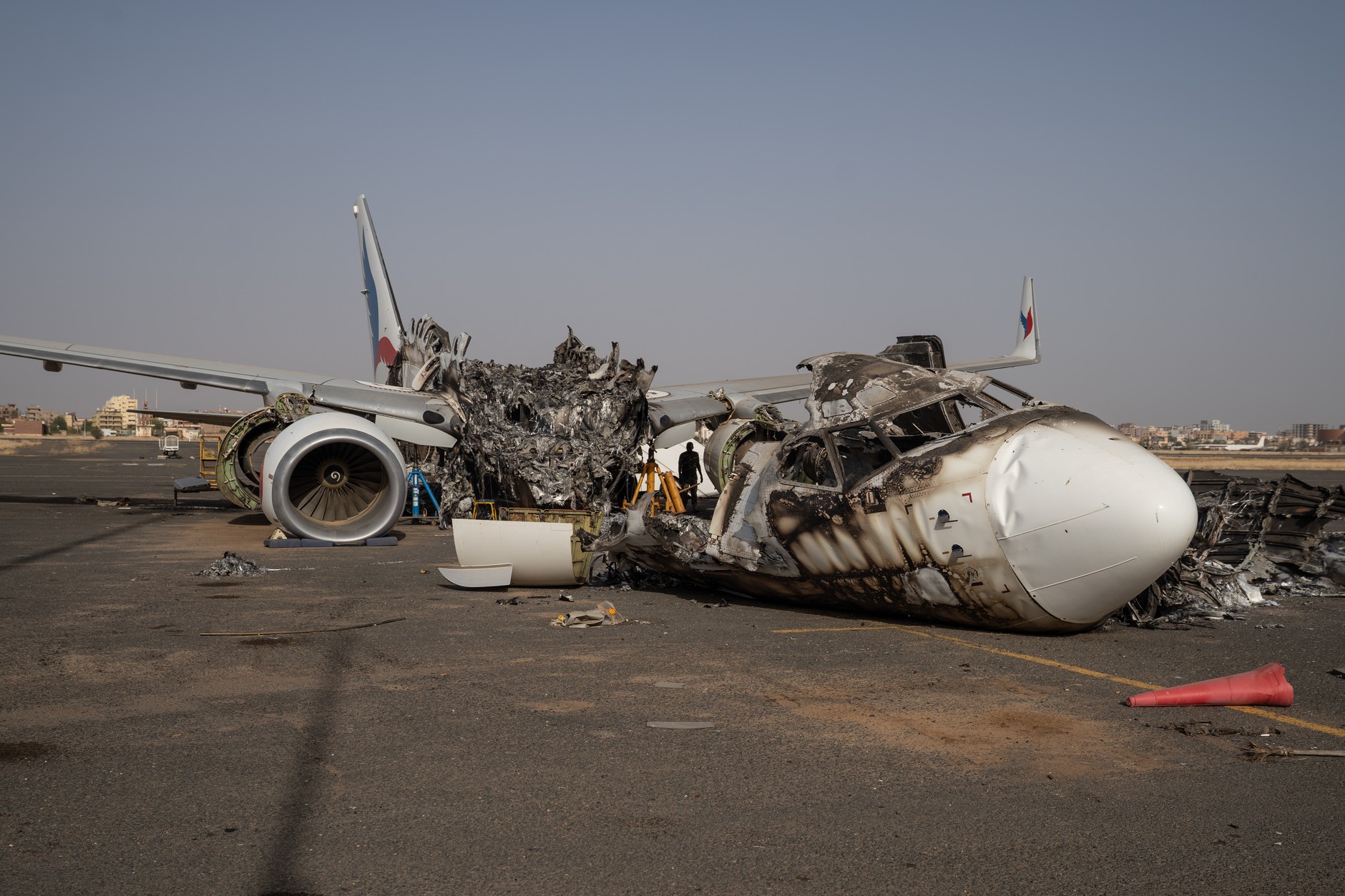
RSF forces on the first day of the war, April 15, 2025, attacked, among others, Khartoum International AirportGiles Clarke/Avaaz/Getty Images
The situation on the front in Sudan. Darfur is a key area
The eastern part of the country and the strategic port of Port Sudan are currently under army control, while the western part, especially Darfur, remains under the influence of the RSF.
Currently, the most important events for the country's fate are taking place in the west and south of the country. The west is Darfur, which is rich in raw materials (gold, copper, uranium, lead and aluminum), but is also a thriving agricultural center. The local soils are among the best in the country, and livestock are an important part of export profits.
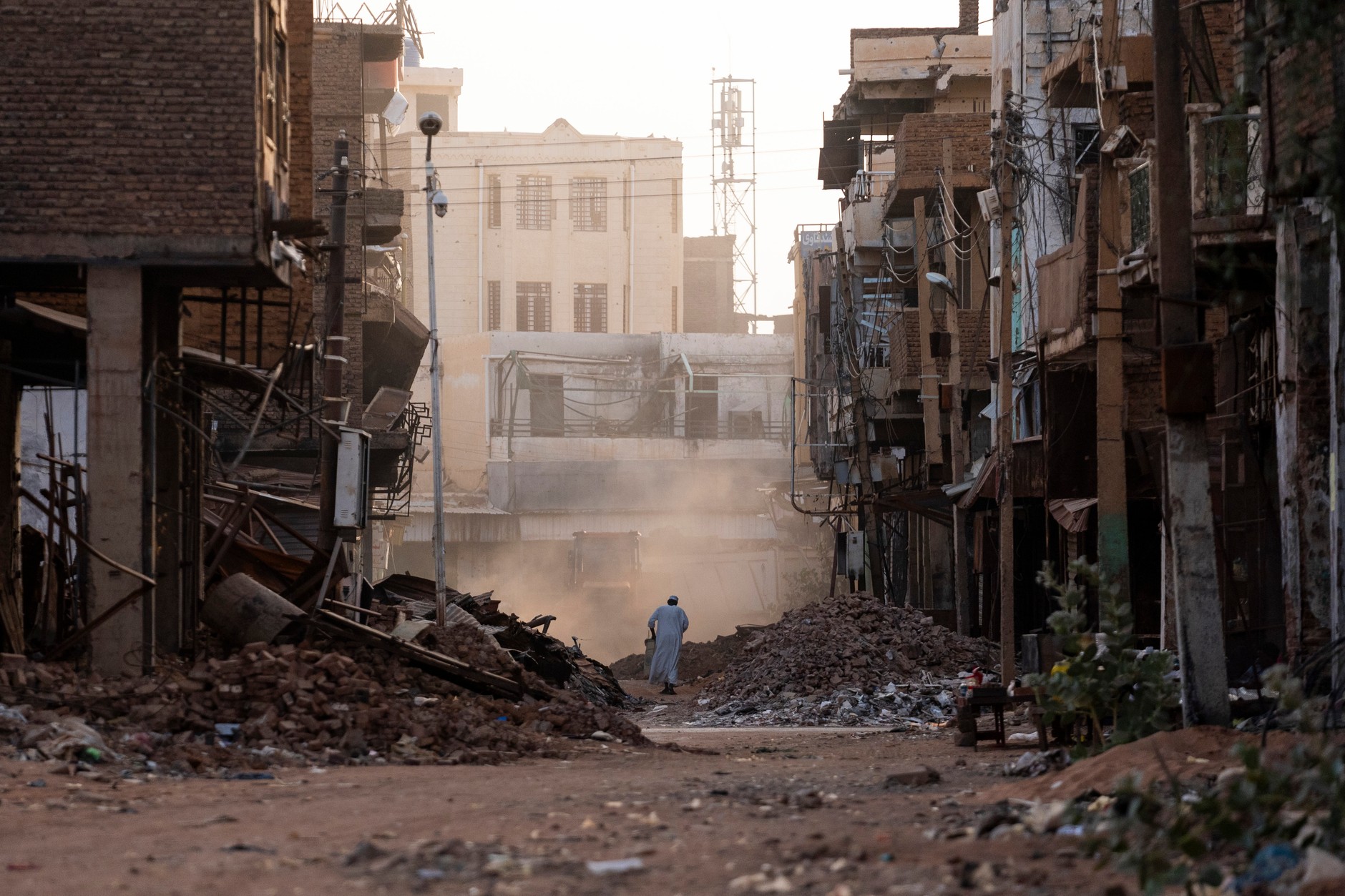
Destroyed Omdurman – the largest city of SudanCarolyn Van Houten/The Washington Post/Getty Images
In turn, Kordofan, as emphasized by the mentioned analyst Jalale Getachew Birru, is of strategic importance for the fate of the war, because there the SAF and its allies seek to secure key routes connecting central Sudan with Darfur. Whereas The RSF seeks to take complete control of Darfur and Kordofan in order to establish an alternative government in western Sudan..
Darfur is a traditional stronghold of the RSF. There is little support for Dagalo and his men in other parts of the country. After losing control of part of Khartoum, the country's capital, a few months ago, the RSF focused on trying to capture the city of Al-Fashir, the capital of North Darfur.
Siege and capture of Al-Fashir. What does this mean?
This was achieved at the end of October after 18 months of siege. Almost immediately, reports of rapes, summary executions and crimes against humanity committed by Dagalo's people spread around the world. The UN reports that over 60,000 people fled the city. people, but there are still approximately 150 thousand inhabitants.
RSF rejects claims that ethnic killings are taking place in the city and that Arab paramilitary forces are committing violence against non-Arab people. However, the rebels published a video showing the detention of one of their fighters, Aby Lulu, who is accused of summary executions.
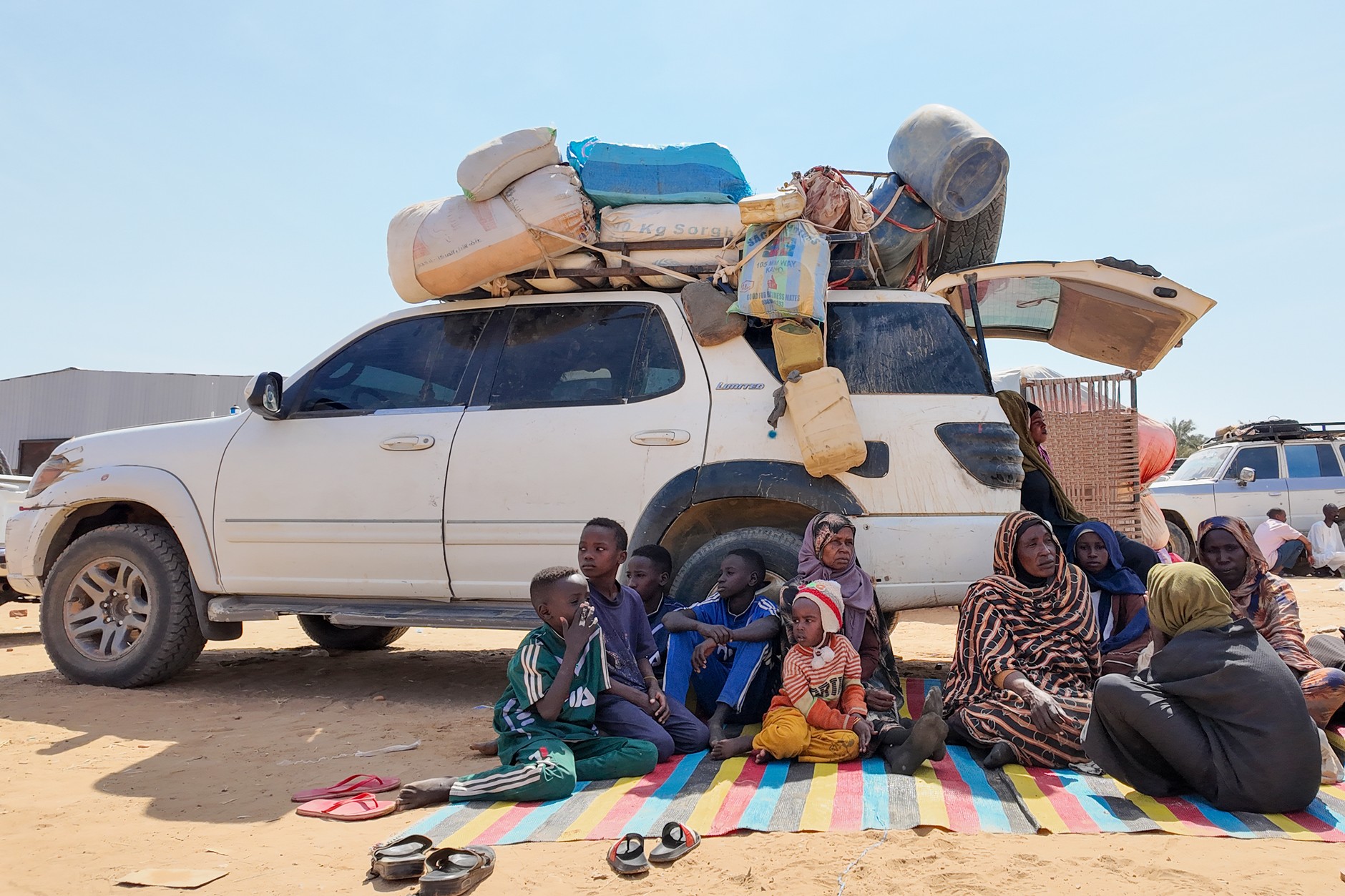
Civilians who fled Al-Fashir after the RSF captured the city are camped out in the northern Sudanese city of Al DabbaStringer/Anadolu Agency/Getty Images
Why is the city of Al-Fashir so important to both sides? It is the capital of North Darfur province. It is located approximately 800 km west of Khartoum. It is the intersection of the main communication, trade and smuggling routes between Darfur and the neighboring countries: Chad and Libya. Weapons and migrants are transferred there. In peace, Darfur would be an economic driving force for Sudan. Therefore, its possible separation means a huge problem for the country's stability.
The RSF's complete takeover of Darfur also worries Sudan's neighbors. Egypt assesses this as a threat to its southern borders. The above-mentioned Chad and Libya are already experiencing a huge influx of people and problems with uncontrolled trade and arms smuggling.
Several hundred thousand Sudanese refugees and Chadians who returned home due to the conflict have already fled to Chad. The vast majority are women and children. If Darfur breaks away from Sudan, they may try to get to Europe in search of a better lifewhich has recently been reluctant to accept refugees.