China again allows exports of semiconductors produced by Nexperia. The denouement of a crisis that created panic in the auto industry


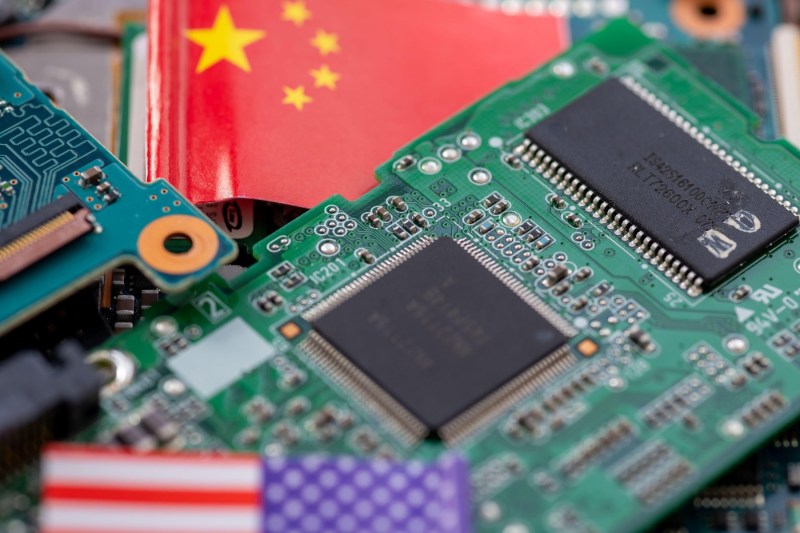
Illustrative photo. Source: Inquam
The government in Beijing will allow the Chinese semiconductor manufacturer Nexperia to resume exports of these components manufactured in China and which are crucial for global supply chains, according to the agreement agreed by the American and Chinese presidents, Donald Trump and Xi Jinping, at the meeting they had last week in South Korea, the US presidency said on Monday, according to AFP, taken by Agerpres.
In a memo detailing the tentative agreement reached by the two presidents, the White House says the government in Beijing will “take the necessary steps to ensure the resumption of exports from Nexperia facilities in China.”
In October, China banned the export of semiconductors manufactured by Nexperia – a company that is a subsidiary of the Chinese group Wingtech Semiconductor -, after the Netherlands nationalized this company's unit on its territory, citing “serious administrative deficiencies and the company's actions” which “could pose a risk to the economic security of the Netherlands and Europe”.
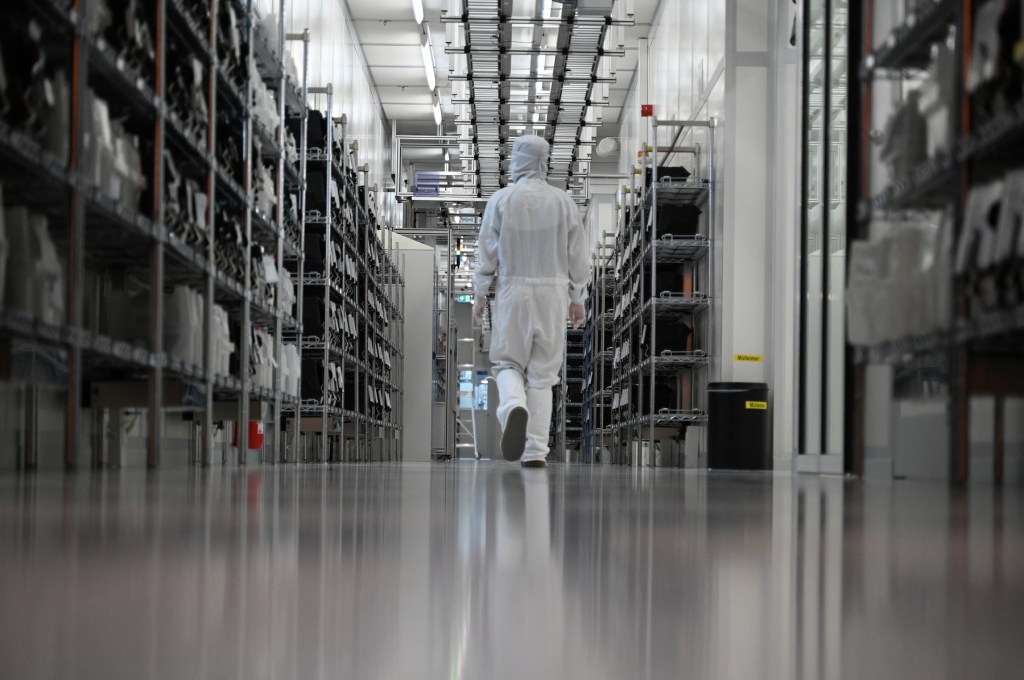 Netherlands invokes force majeure to avert a crisis in Europe and takes control of a Chinese semiconductor maker
Bans imposed by China on exports of semiconductor components after the action of the Dutch government have already caused a crisis at Volkswagen, Europe's largest car manufacturer.
China's Ministry of Commerce announced on Saturday that it will grant exemptions from export restrictions to companies that meet certain requirements to ease the global crisis in supply chains, while the European Commission confirmed that China's suspension of export controls on strategic materials also applies to the European Union.
The memo released by the White House also includes commitments from Beijing to stop “the flow of precursors used to manufacture fentanyl”, suspend restrictions on exports of rare metals (rare earths) announced on October 9 and issue “valid general licenses for the export of gallium, germanium, antimony and graphite”.
Separately from the semiconductor dispute, China had tightened control over exports of rare metals, a decision that particularly irritated US President Donald Trump, who threatened China with additional customs duties. Rare metals (rare earths) are essential for advanced technology and military industry, and China dominates the international market for these mineral resources.
Finally, at the meeting with his American counterpart, the Chinese president agreed to suspend these restrictions on exports of rare metals for a year, during which time the US and China will negotiate a trade agreement, a topic of tension between the two countries after Trump's return to the White House.