Researchers identified after 70 years the names of 5 of the 6 million Jews killed in the Holocaust

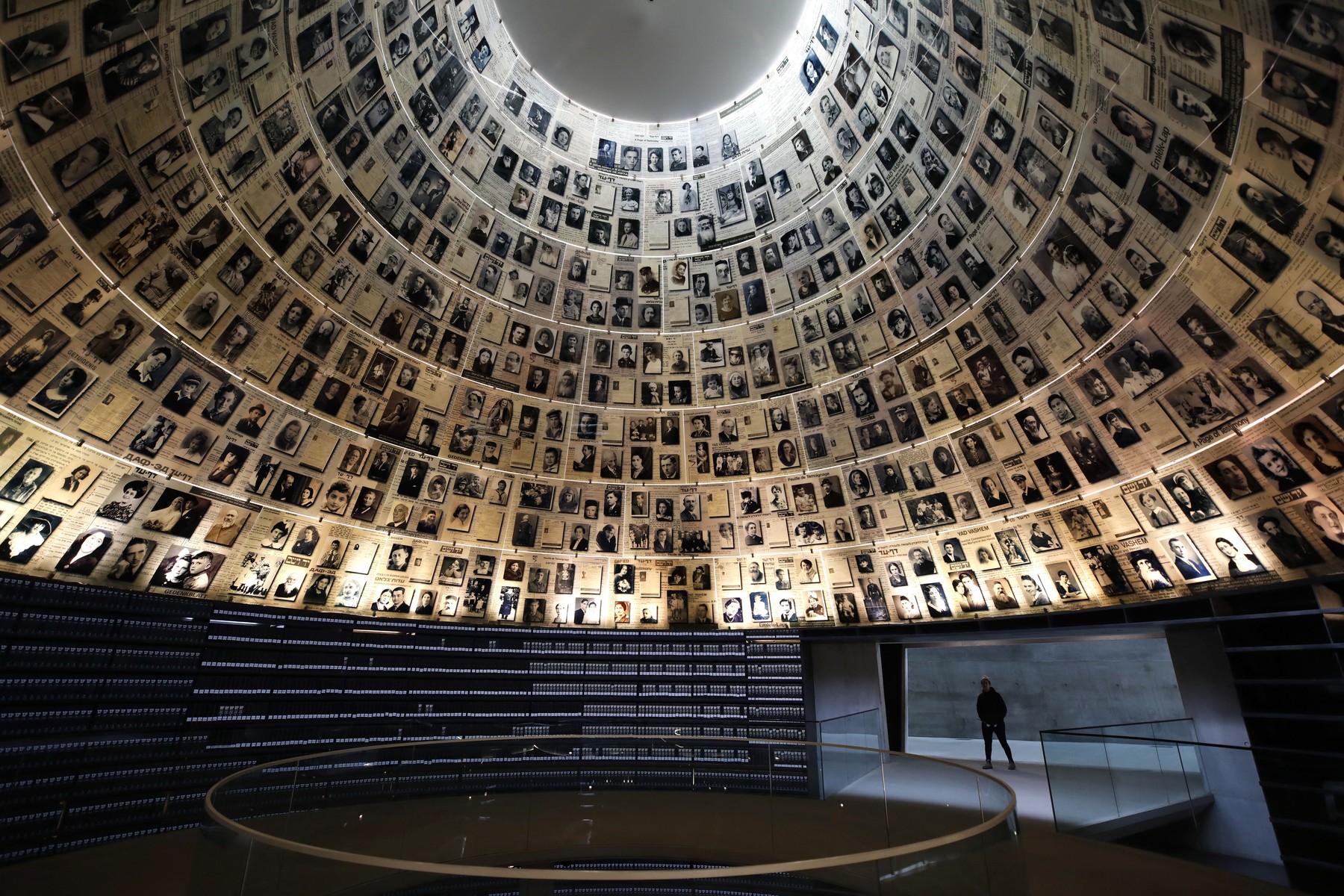
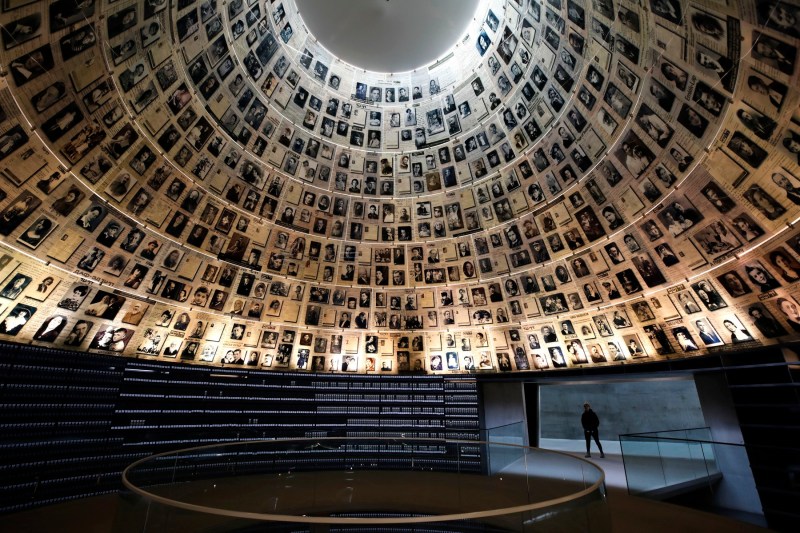
Hall of Names at Yed Vashem, PHOTO: Menahem Kahana / AFP / Profimedia Images
Five million of the more than six million Jews killed in the Holocaust have now been identified, and with the additional help of artificial intelligence (AI), even more names could be identified, Israeli researchers quoted by Reuters said on Monday.
Yad Vashem, the World Holocaust Remembrance Center in Jerusalem, said the milestone marks seven decades of work and is at the heart of its mission to recover the identities of those killed by the Nazis during World War II.
About one million Jewish victims are still unknown “and many will likely remain so forever,” Yad Vashem center officials said in a statement. But with the help of tools like artificial intelligence and machine learning (“deep learning”), the institution believes it could recover an additional 250,000 names by analyzing hundreds of millions of documents that were until now too dense to sift through manually.
Dani Dayan, president of Yad Vashem, said that as the number of Holocaust survivors dwindles and the world will soon run out of direct witnesses, reaching the five million mark is a reminder of a debt yet to be fulfilled.
“Behind every name is a life that mattered – a child who never got to grow up, a parent who never came home, a voice that was silenced forever,” said Dayan. “It is our moral duty to ensure that every victim is remembered so that no one remains lost in the darkness of anonymity,” he added.
The threshold of 5 million identified victims was passed with the help of AI
In May 2024, Yad Vashem announced that it had developed its own artificial intelligence-based software capable of sifting through huge sets of records to try to identify the hundreds of thousands of Jews killed in the Holocaust whose names are missing from official memorials.
At that time, the institution had already identified information on 4.9 million people, analyzing statements and documents, checking footage, cemeteries and other archives.
The names of Holocaust victims, as well as personal files that tell the story of the lives of many of them, are brought together in an online database of Yad Vashem, available in six languages.
This database, the release states, has helped countless families reunite with lost relatives and memorialize loved ones, especially since most of the victims were left without graves.
“The Nazis didn't just want to kill them, they wanted to erase their existence. And by identifying five million names, we restore their human identity and ensure that their memory lives on,” said Alexander Avram, director of the Hall of Names at Yad Vashem, which runs the central database of victims' names.