Up to 60% of Antarctic ice sheets at risk of becoming unstable in coming centuries, new study shows


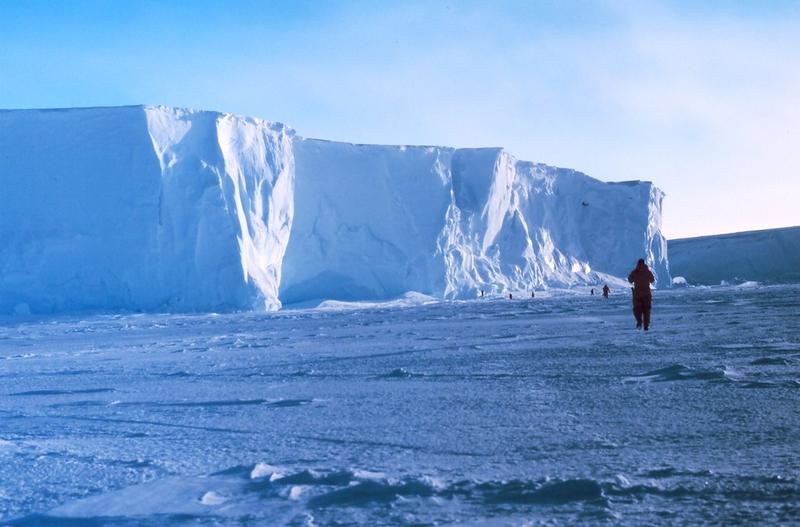
Ross Iceberg in Antarctica, Photo: Flickr
Rising ocean temperatures risk causing the loss of long-term stability of about 60 percent of Antarctica's main ice sheets by 2300, warns a new study published in the scientific journal Nature, cited by Xinhua on Friday. This would significantly increase the risk of global sea level rise, notes Agerpres.
Ice floes are vast floating extensions of the Antarctic ice sheet that act as natural barriers, slowing the flow of land ice into the ocean. When these shelves become brittle or collapse, it accelerates the loss of ice from the continent, one of the main drivers of sea level rise.
The researchers assessed the stability of the ice sheets by analyzing the combined effects of ice melting following atmospheric and oceanic conditions. The phenomenon of loss of stability occurs when the melting and breaking off of icebergs consistently outpaces the re-accumulation of ice on the continent, leading to long-term thinning and increasing vulnerability to breakup.
Under a high-emissions scenario, the study found that up to 38 of Antarctica's 64 main ice sheets could become unstable by 2300.
However, most ice sheets would remain intact if global warming is limited to below 2 degrees Celsius compared to pre-industrial levels.
If these vulnerable ice sheets were to collapse, the regions of the ice sheet they currently protect could eventually raise sea levels by up to 10 meters globally, the study said.
The authors called for a rapid and sustained reduction in greenhouse gas emissions to protect the world's coastlines. They also warned that, despite estimates, some ice sheets could destabilize sooner, under the combined pressure of rising temperatures and structural weakening.