The US will not send officials to the COP30 climate summit. White House cites Trump administration's view of 'world's biggest scam'


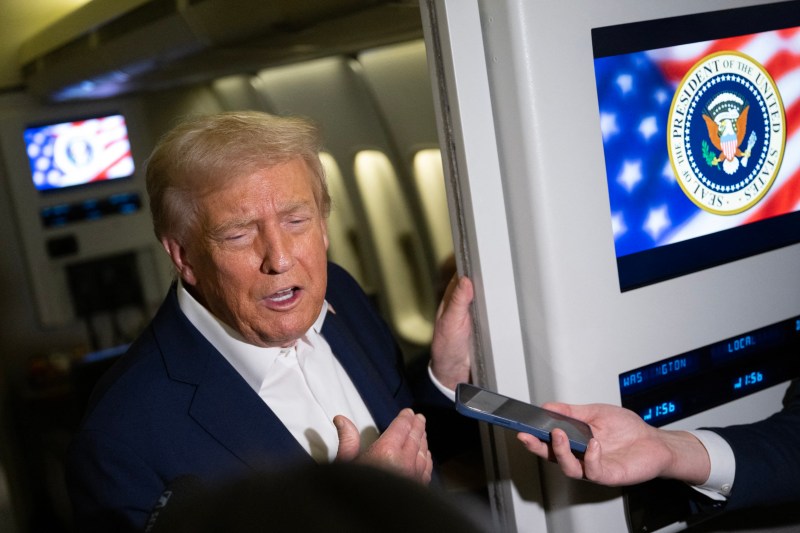
Donald Trump speaking to reporters aboard Air Force One. Photo: ANDREW CABALLERO-REYNOLDS / AFP / Profimedia
The US will not send any high-level officials to the COP30 climate summit in Brazil, the White House said, allaying some concerns among world leaders that Washington might send a team to derail the talks, Reuters reports.
Brazil will host a summit of leaders next week before two weeks of UN climate talks begin in the Amazon city of Belem.
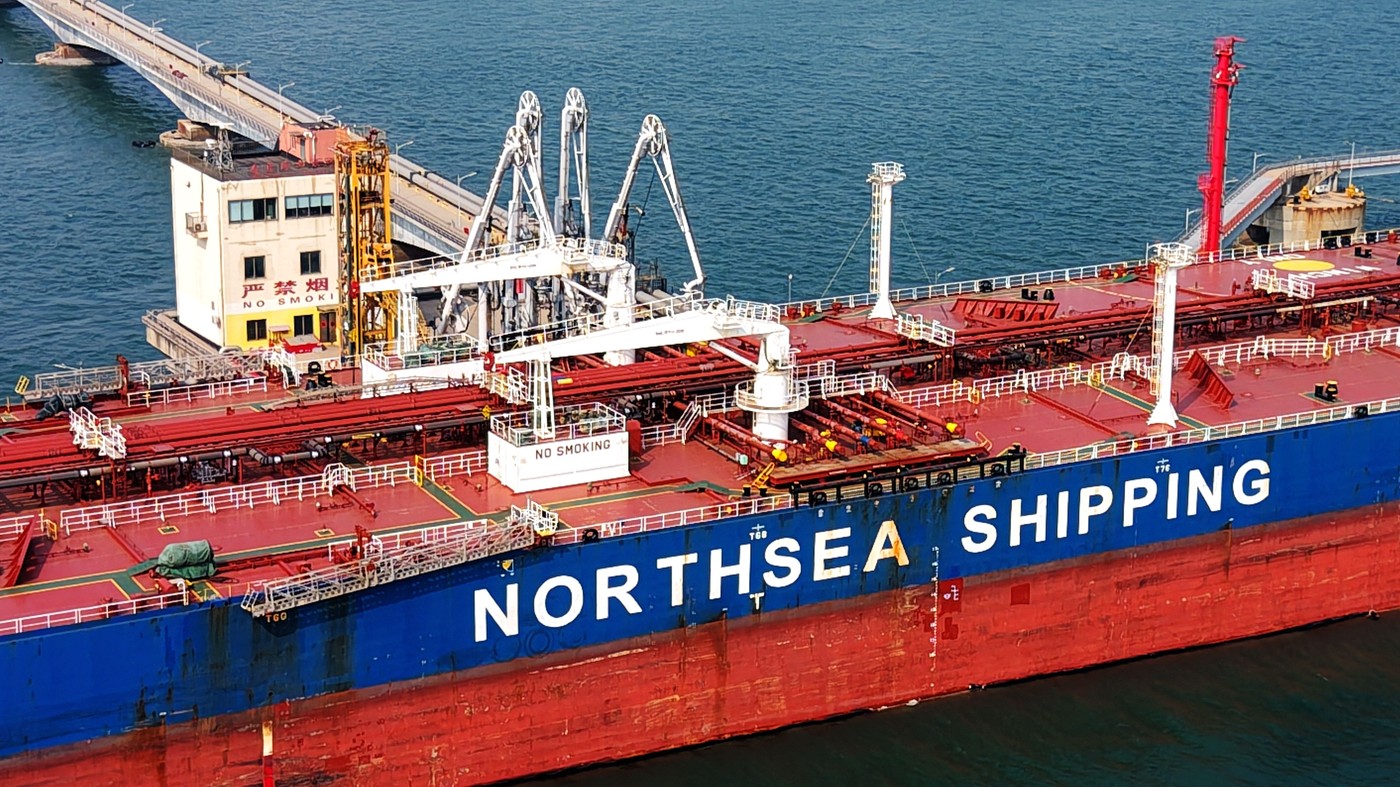
Earlier this month, the US threatened to use visa restrictions and other sanctions to retaliate against nations voting in favor of a plan put forward by the UN's maritime agency, the International Maritime Organization (IMO), to reduce planet-warming greenhouse gas emissions from ocean shipping.
The tactic led to a majority of IMO countries voting to delay a decision on a global carbon price for international shipping by a year.
Trump says climate change is 'world's biggest scam'
A White House official speaking to Reuters said President Donald Trump had already made clear his administration's views on multilateral climate action in his address to the UN General Assembly. At the time, the US leader described climate change as “the biggest scam in the world”, criticizing leaders who have decided on policies that he claims have “cost their countries fortunes”.
“The president is engaging directly with leaders around the world on energy issues, which you can see in the historic trade agreements and peace accords, all of which have a significant focus on energy partnerships,” the official said in an email to Reuters.
The Trump administration has sought to strike bilateral energy deals in trade negotiations to boost US exports of liquefied natural gas with countries such as South Korea and the European Union.
On Friday, US Energy Secretary Chris Wright said there was “room for excellent energy trade between China and the United States” given China's need for natural gas as Washington and Beijing engage in tariff negotiations.
On the first day of his new term in the White House, Trump announced the withdrawal of the US from the Paris climate agreement, signed in 2015, and the State Department announced that it is reviewing other multilateral environmental agreements to which Washington is a party.
Earlier this year, the US also pressured countries negotiating a global treaty to reduce plastic pollution not to support a deal that would set production caps in the sector.
The White House official spoke of a shift in priorities and also invoked the recent message of Bill Gates, who said that climate change “does not mean the end of civilization”, and that rather than focusing on temperature as the main indicator of progress in climate efforts, humanity should strengthen its climate resilience by strengthening health and prosperity.