The cradle of civilization is in danger of collapsing into the sand after thousands of years, due to an implacable phenomenon

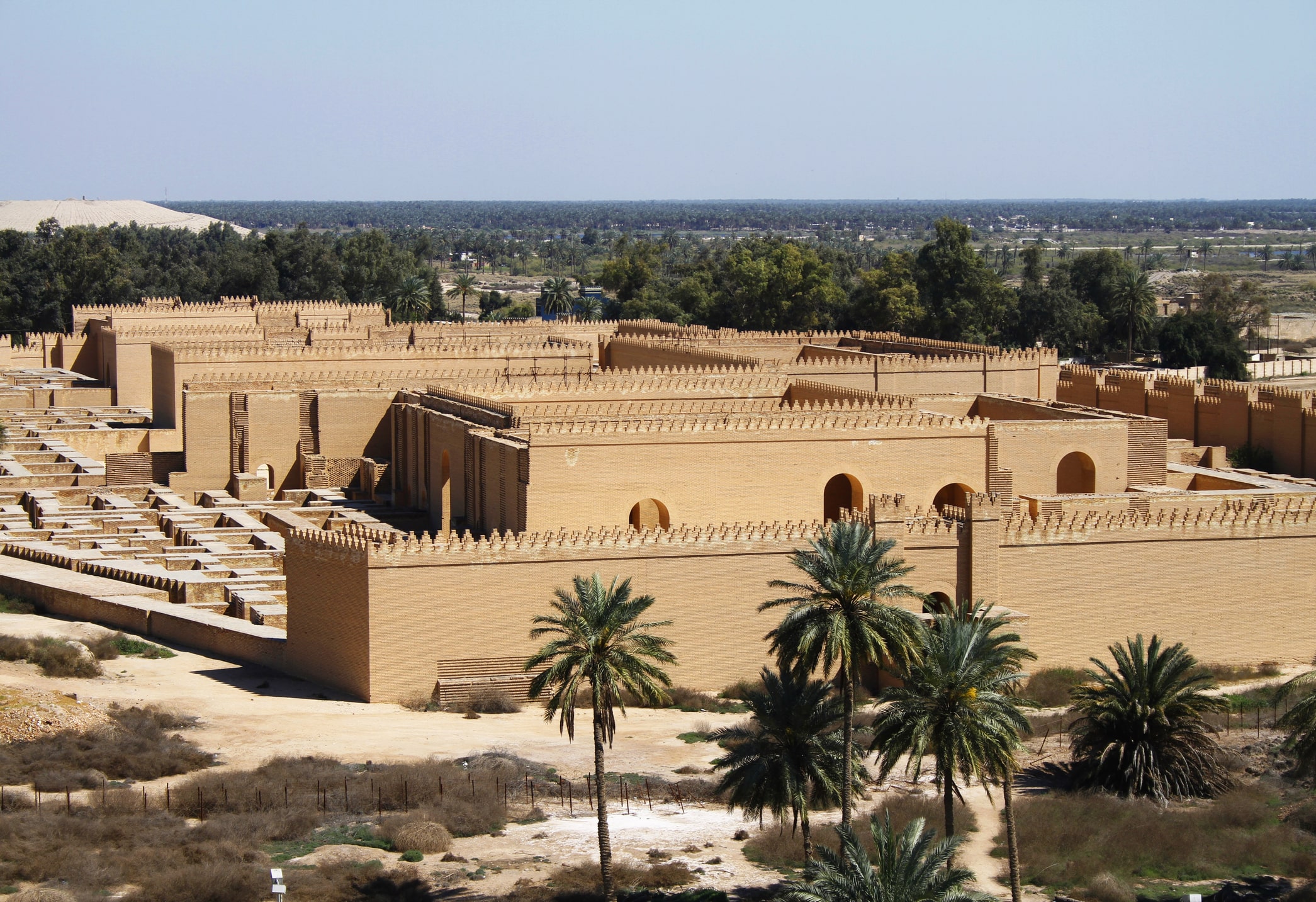
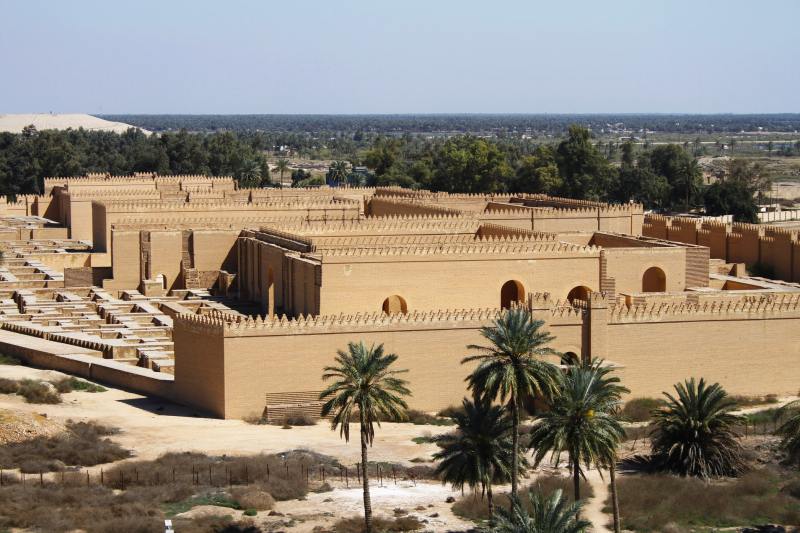
Restored portions of the ancient city of Babylon in Iraq, PHOTO: Jukka Palm / Profimedia Images
Iraqi officials are sounding the alarm to save monuments from the cradle of civilization as thousands of years of history are at risk of disappearing: ancient cities in southern Iraq face erosion caused by climate change, Reuters reports.
Harsh, dry weather increases soil salinity and damages historical monuments in the ruins of cities such as Ur – the birthplace of the biblical patriarch Abraham – and Babylon, once a great capital of empires.
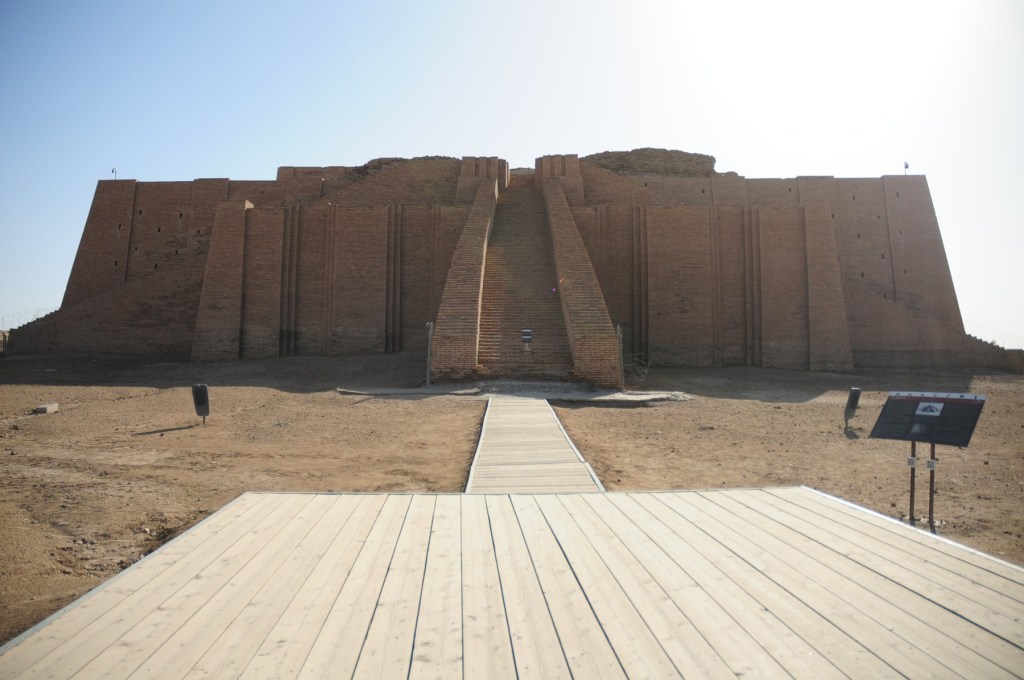
Sand dunes are causing damage to the northern side of the imposing Ziggurat of Ur, a massive stepped temple built more than 4,000 years ago for Nanna, the Mesopotamian moon god.
“The combination of wind and sand dunes is leading to the erosion of the northern sections of the structure,” Abdullah Nasrallah, an archaeologist at the antiquities department in Iraq's Dhi Qar province, where the city of Ur is located, told Reuters.
Salt grinds the ancient adobe bricks
The sanctuary, a UNESCO World Heritage Site, remains one of the best-preserved examples of ancient Mesopotamia architecture and provides major clues to the religious practices and sacred rituals of the Sumerian Empire, where one of the world's first civilizations flourished.
“Even though the third layer (of the Ziggurat) had already deteriorated due to weathering and climate change, erosion has now started to affect the second layer,” Nasrallah explained.
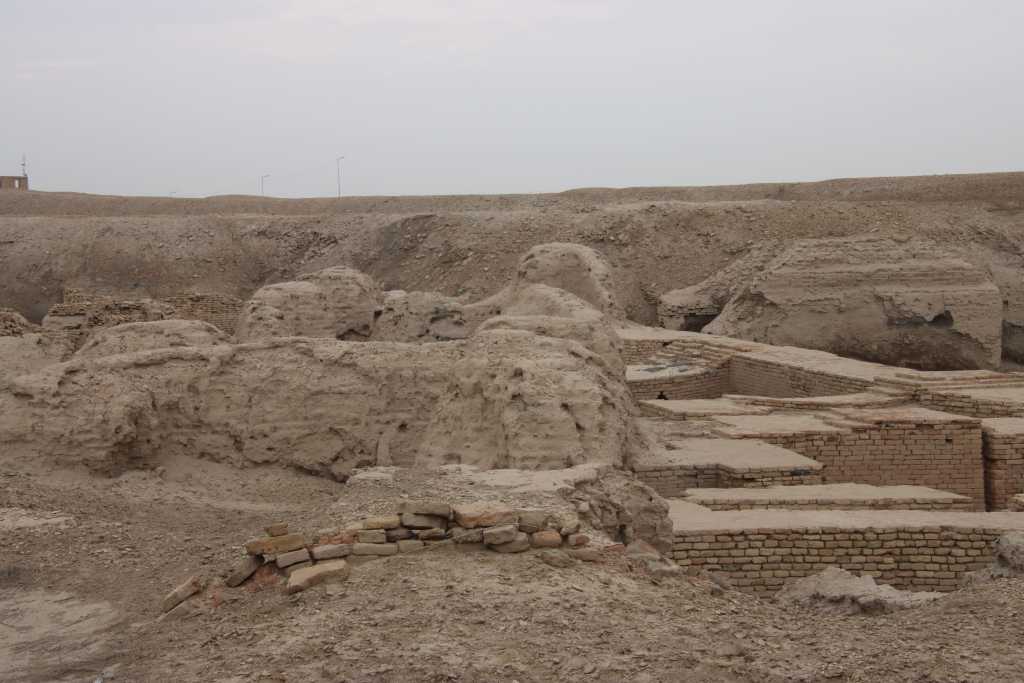
Nearby, salt deposits have begun to grind away the adobe bricks of the Royal Cemetery of Ur, discovered by British archaeologist Sir Leonard Woolley in the 1920s and now at risk of collapse.
“These salt deposits appeared due to global warming and climate change – which led to the destruction of important parts of the cemetery. Eventually, the deposits will cause the complete collapse of the adobe bricks that make up this cemetery,” says Dr. Kazem Hassoun, inspector at Dhi Qar's antiquities department.
The cradle of civilization, under the assault of modern problems
Iraq is experiencing rising temperatures and severe droughts, which have increased salinity levels in the country's south, where the great Tigris and Euphrates rivers meet before emptying into the Persian Gulf.
Upstream, along the Euphrates, the archaeological sites of ancient Babylon are also at risk. They urgently need restoration work, but lack of funds is a major challenge, Dr. Montaser al-Hasnawi, director general of Iraq's Ministry of Culture and Tourism, told Reuters.
The country has already endured decades of wars that have threatened its historic structures – from the conflict with Iran in the 1980s, to the Gulf War in the early 1990s, to the US-led invasion in 2003, followed by insurgent violence and the rise and fall of the Islamic State group.
The new challenge is climate change, which is altering the country's entire ecosystem and endangering not only Iraq's agricultural future, but also its historical footprint.
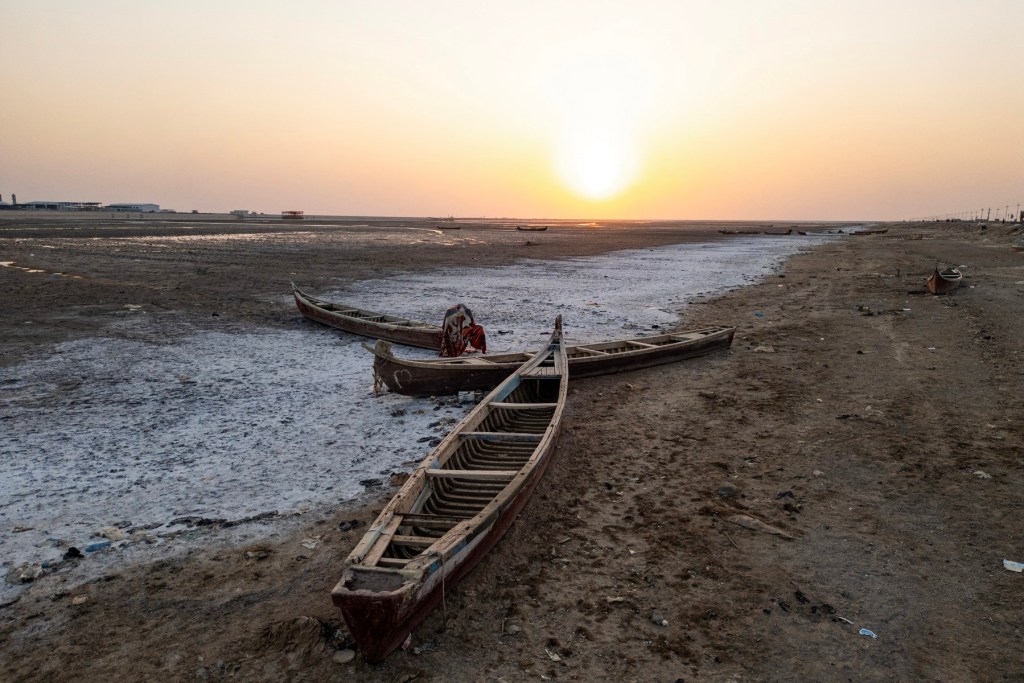
In Babylon, high levels of salinity endanger the clay-based materials of the ancient structures, on the surface of which elaborate Sumerian designs can still be distinguished.
The materials came directly from the local soil, which had a lower salinity at the time. This could have made them more resistant to the effects of climate change, but poor restoration practices in recent decades have made the old structures more vulnerable, Hasnawi explains. Rising salinity now accentuates the urgent need to restore failing restorations.
“The problem of salinity is increasing in both surface and underground water. This will lead to the destruction of many cities that are underground,” adds the official from Iraq's Ministry of Culture and Tourism.
PHOTO article: Jukka Palm / Dreamstime.com.
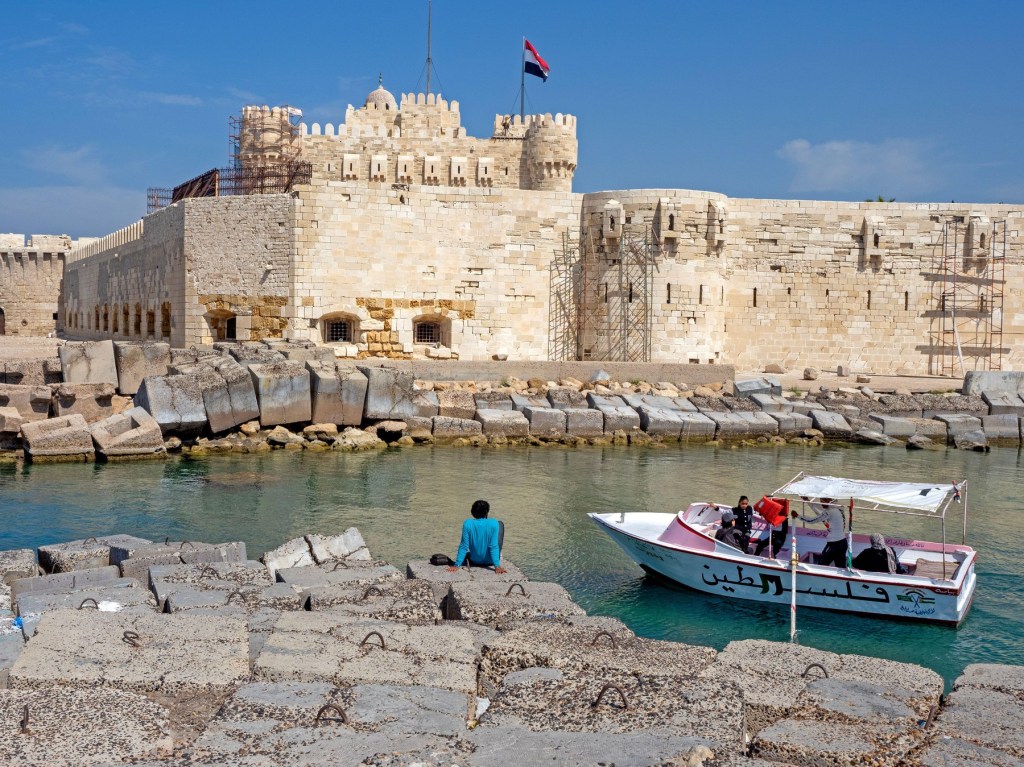 The legendary city founded by Alexander the Great is under siege from a silent enemy: “The reality is that it's happening right now, right here”