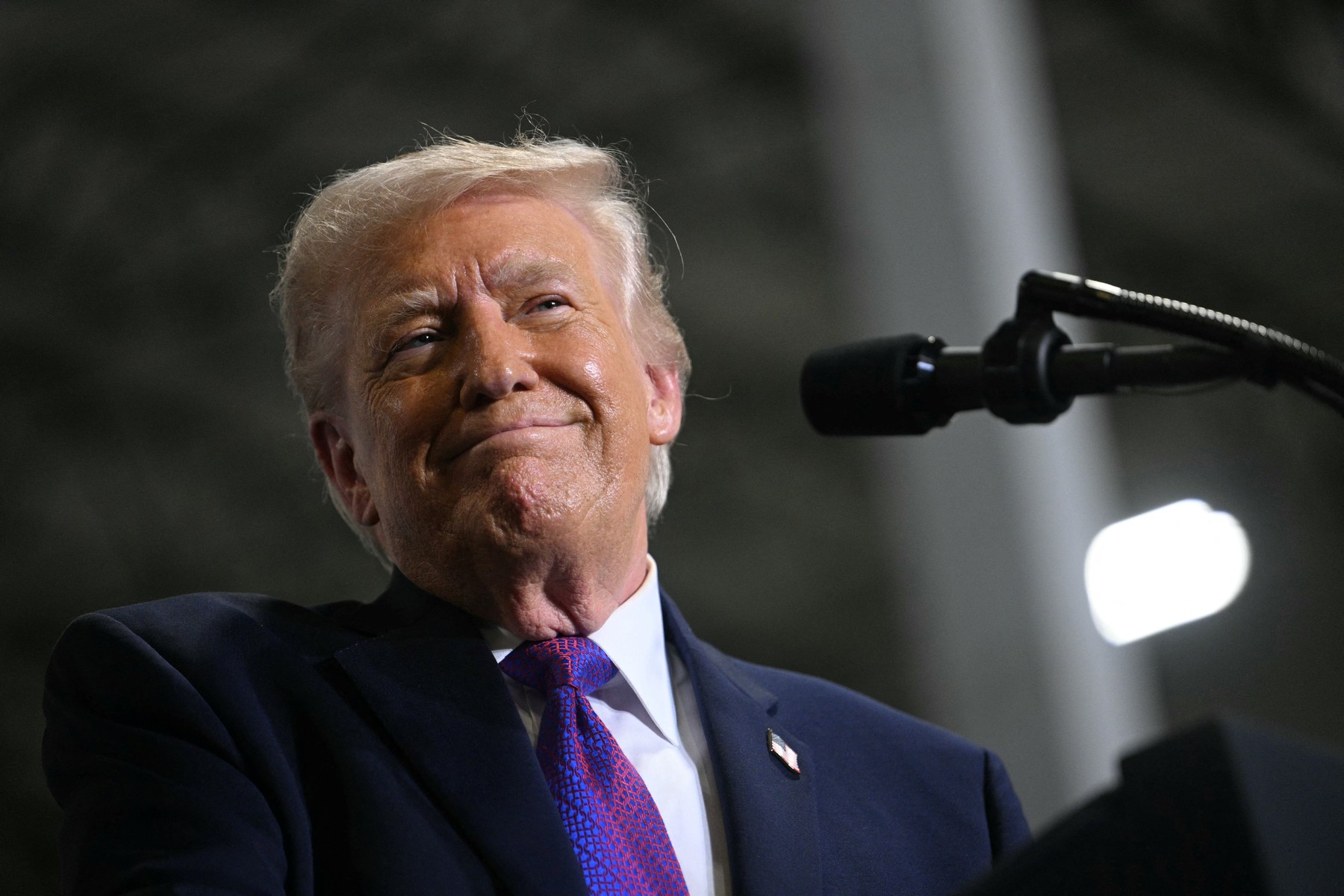
US-China deal after “extraordinary meeting” between Trump and Xi Jinping. What the two leaders decided


Tariff cuts, efforts to reduce the fentanyl traffic that kills Americans, the resumption of US soybean purchases and the lifting of restrictions on Chinese exports of rare earths: the Trump-Xi Jinping summit ended with reasonable results, although observers wonder how long the compromise between the two great powers will last, writes Reuters.
Donald Trump on Thursday said he was more than satisfied with his talks with his Chinese counterpart Xi Jinping, saying he gave the meeting in the South Korean city of Busan, the first bilateral meeting of 2019 so far, a “12 out of 10”.
The White House leader announced that he had agreed with Xi Jinping to reduce tariffs on China, with Beijing agreeing in return to crack down on the illicit fentanyl trade that plagues the US, resume purchases of soybeans from American farmers and maintain exports of rare earths.
“I thought it was a great meeting,” Trump told reporters aboard Air Force One shortly after departing Busan.
He also announced that he will visit China next year in April, information confirmed by Beijing's foreign ministry.
Question marks
Trump has said that tariffs on Chinese imports will be cut from 57% to 47% – by reducing retaliatory tariffs on fentanyl trafficking from 20% to 10%.
Xi will make “sustained efforts to stem the flow” of fentanyl, a synthetic opioid that is the leading cause of overdose deaths in the United States, Trump said.
The fees were reduced “because I think they are taking really firm action,” he added.
Trump has repeatedly raised the prospect of a deal with Xi after US negotiators said on Sunday they had agreed with China on a framework that would avoid 100 percent US tariffs on Chinese goods and lead to the postponement of China's restrictions on exports of rare earths, a sector it dominates.
But with both countries increasingly willing to play hardball in the areas of economic and geopolitical competition, many questions still remain as to how long this agreement will last.
Frictions are normal
When they sat down at the negotiating table at a South Korean airbase Thursday morning, Xi told Trump through a translator that it was normal for superpowers to have friction from time to time.
A few days ago, however, negotiators from the two countries had reached a “fundamental consensus on addressing each side's major concerns,” Xi said.
“I am willing to continue working with President Trump to lay a solid foundation for China-US relations,” he added.
In addition to the fentanyl tax cut, Beijing has called for an easing of controls on US exports of sensitive technology and a reduction in new US port charges on Chinese ships, aimed at countering China's global dominance in shipbuilding, shipping and logistics.
“They will not impose controls on rare earths”
Trump had no immediate comment on the U.S. concessions, but said China would purchase “enormous amounts” of soybeans and other U.S. agricultural products “beginning immediately.” Ahead of the summit, China bought its first shipments of US soybeans in months.
Previous trade deals, which led to the reduction of US tariffs and the resumption of the flow of rare earth magnets from China, are due to expire on November 10.
But Beijing dramatically expanded its control of the rare earths earlier this month, minerals used in everything from cars to fighter jets, over which it holds a global monopoly.
The American president was happy to announce that this will not happen again. “They are not going to impose controls on the rare earths,” Trump told reporters.
Trump signed various deals with Japan and Southeast Asian countries on diversifying the supply of rare earths during his trip, although reducing China's dominance in this field could take years.