What does the partial withdrawal of American troops mean for Romania. Ex-Army Intelligence Officer Warns: 'Russians Will Insist Strategic Partnership Doesn't Work, That Will Be The Narrative'

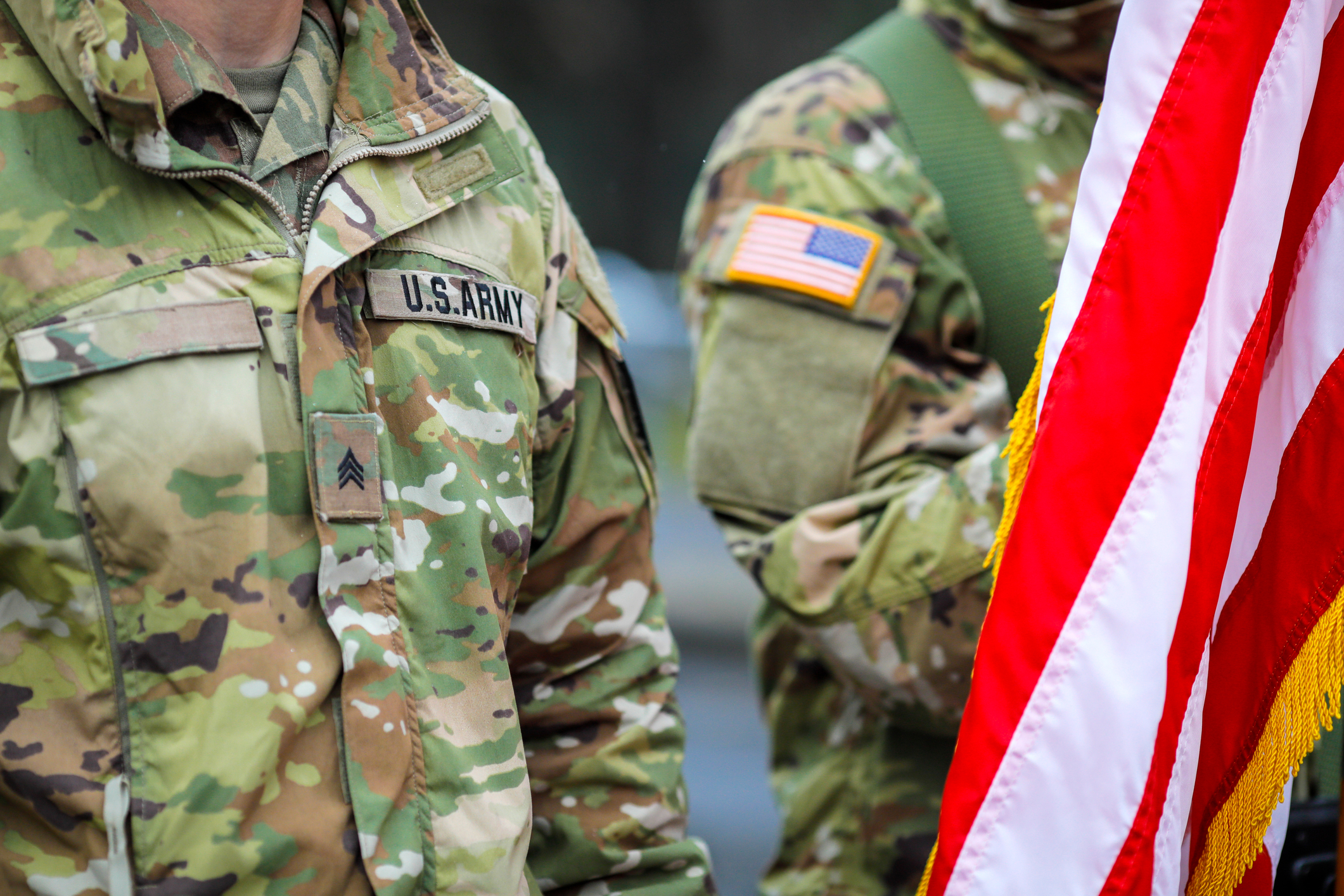
Following the partial withdrawal of American troops from Romania, our country can demand even more insistently that NATO increase its presence here, and that the battle group led by France be raised to the level of a brigade permanently, experts consulted by HotNews believe.
The US decision to resize the troops in Romania assumes that a battalion of American soldiers stationed in our country by rotation will no longer be deployed, and the number of American military soldiers in the country will decrease.
From approximately 1,700-2,000 US soldiers who were in Romania until now, almost 1,000 will remain, of which about 200 at the Deveselu base, almost 100 at the Câmpia Turzii air base and the rest at Mihail Kogălniceanu.
“Militarily, the impact is insignificant”
“The military impact is insignificant. Military, what do we have? We have a battalion, 800 people. That's it, nothing more,” says for HotNews, Commander (r) Sandu Valentin Mateiu, former intelligence officer in the Army and current political-military analyst.
“We only had one battalion from this American brigade that was changing by rotation on the eastern flank. The decision has almost no impact from an operational point of view. This battalion was the supplement, so to speak, of the strategic partnership to deter the adversary then, in 2022, when it was not known what would happen”, says Mateiu who appreciates that now, anyway, more American soldiers will remain in the country than before 2022 and that, the most importantly, American strategic capabilities in our country remain intact.
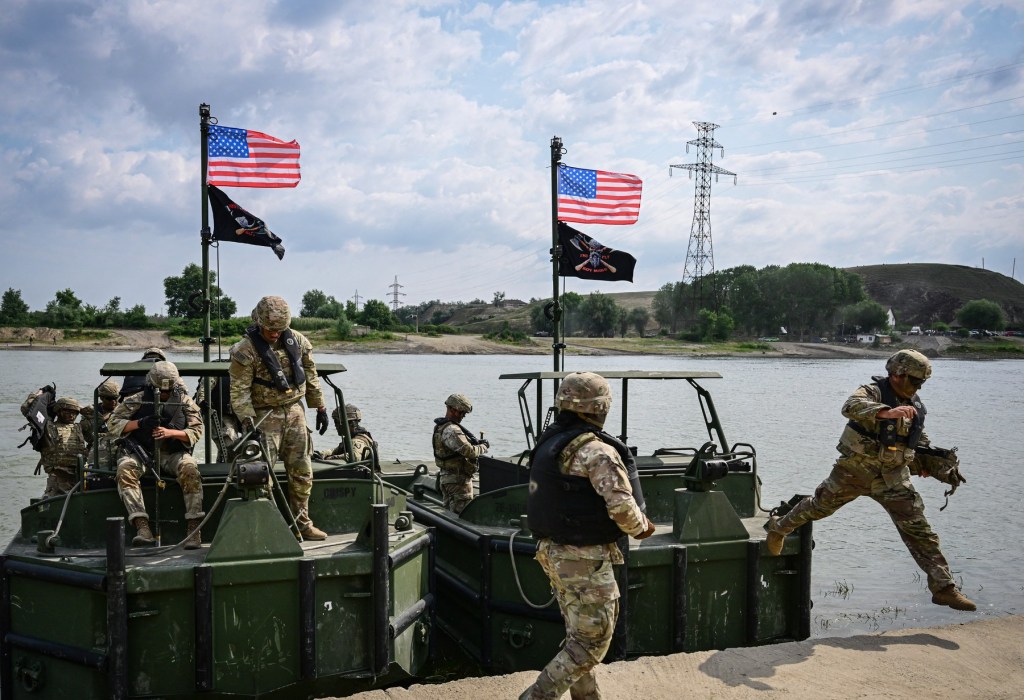
The anti-missile shield from Deveselu, the aviation component and drones from Câmpia Turzii, the American military base from Kogălniceanu and the presence of aviation at the air base from Kogălniceanu – all of these will remain in operation within the framework of the Romanian-American strategic partnership, as the defense minister explained on Wednesday.
“The Russians will try to exploit the vulnerabilities”
“The most dangerous thing will be in terms of internal politics, not foreign politics, that the Russians will try to exploit vulnerabilities, they will insist that this withdrawal is not due to a simple strategic reassessment, but that in fact the strategic partnership is not working, that there would be problems between Washington and Bucharest. Very likely this will be the narrative, which will be taken over by the fifth column in Romania”, says Mateiu.
The US decision comes after the signal has been given since the time of Barack Obama, says the analyst. “Even then, the American defense secretary came and told the Europeans that it's time to defend yourself,” says Mateiu.
“The Trump administration has been very clear. The first time that the nuclear umbrella remains, that's very important. The second, 'you Europeans have to prioritize conventional defense, you're first.'
And the third idea, pay for it, in the sense that you raise the military allocation to 5% of GDP. But we will withdraw our troops because it simply does not make sense to keep them in Europe when the threat is elsewhere,” says the military analyst, referring to US interests in the Indo-Pacific area where it will move part of its forces.
Why is the US withdrawing troops from Romania, but not from Poland or the Baltic countries
The military analyst says that on NATO's eastern flank, in Europe, the question of where to take place the repositioning and withdrawal of troops, was evaluated between Poland and Romania.
“These troops were deployed, whether it was Poland, whether it was Romania, whether it was in the Baltic countries, after Russia's attack on Ukraine, for deterrence. In these conditions, when the withdrawal is made, it was considered that it is not the case in Poland because it has a border with Russia,” says Mateiu.
“Poland and the Baltic countries have direct borders with Russia. Poland also has direct borders with Belarus and they also have the Kaliningrad exclave, a small Russian fortress in the heart of Europe. It's one thing when you have the potential enemy, the adversary, hundreds and hundreds of kilometers away and another when it's right next to you,” says the former intelligence officer in the Romanian Army.
He claims that in the southeastern area of NATO's European flank, the probability that Romania will be hit on land by Russia is insignificant.
“It is very, very, very reduced. Russia cannot project force. In the sense that it cannot send a brigade, a division as it tried to Hostomel, near Kiev, to try, say, Mihail Kogălniceanu. It does not have the ability to project force. It does not have the ability to ensure air supremacy, at least locally, because you have to have air supremacy. It cannot logistically ensure the effort,” says the retired commander.
Romania, if it has a threat and this threat exists, is on the internal level – the hybrid war where it exploits political vulnerabilities, Mateiu believes.
The importance of the NATO Battle Group in Romania
“For a while we have NATO (in country no), this withdrawal does not affect the strategic partnership and does not affect Romania's defense plan, which is made with the emphasis on the Battle Group, NATO where France is the framework nation. And it does not affect the air component either because at any time the American planes from Rammstein or Aviano are with us”, explains the commander in reserve.
He says that the presence and operation of a NATO battle group in Romania is now essential as a deterrent and that, following the US decision not to send an additional battalion by rotation to Mihail Kogălniceanu, it could make the Romanian leaders ask the European allies to increase the presence in Romania by permanently raising the Battle Group to brigade level, i.e. almost 5,000 soldiers, from the approximately 1,700 soldiers how many are there now
“The idea is that a greater NATO presence, from the very first moment of a conflict, deters. Basically, this is the idea – from the first moment the aggressor will fight with NATO and we will not yield a single meter. I think that now our political-military leadership will think and ask for something within the alliance. First of all, I think that yes we will continue to ask for the battlegroup to be raised to the brigade level. That is, the Europeans should be here at that higher level, so that we also have a brigade on national territory,” says the military analyst.
 INTERVIEW “Romania is in the most vulnerable area”. What follows after the US decision to partially withdraw troops from our country
 VIDEO The Minister of Defense, announcement after the US decision to withdraw some American soldiers from Romania: “There will remain approximately 1,000 American soldiers”. Until now, there were about 2,000 soldiers