Impressive mobilization. The Czechs collected in 48 hours the amount necessary for the purchase of a Flamingo missile for the Ukrainian army

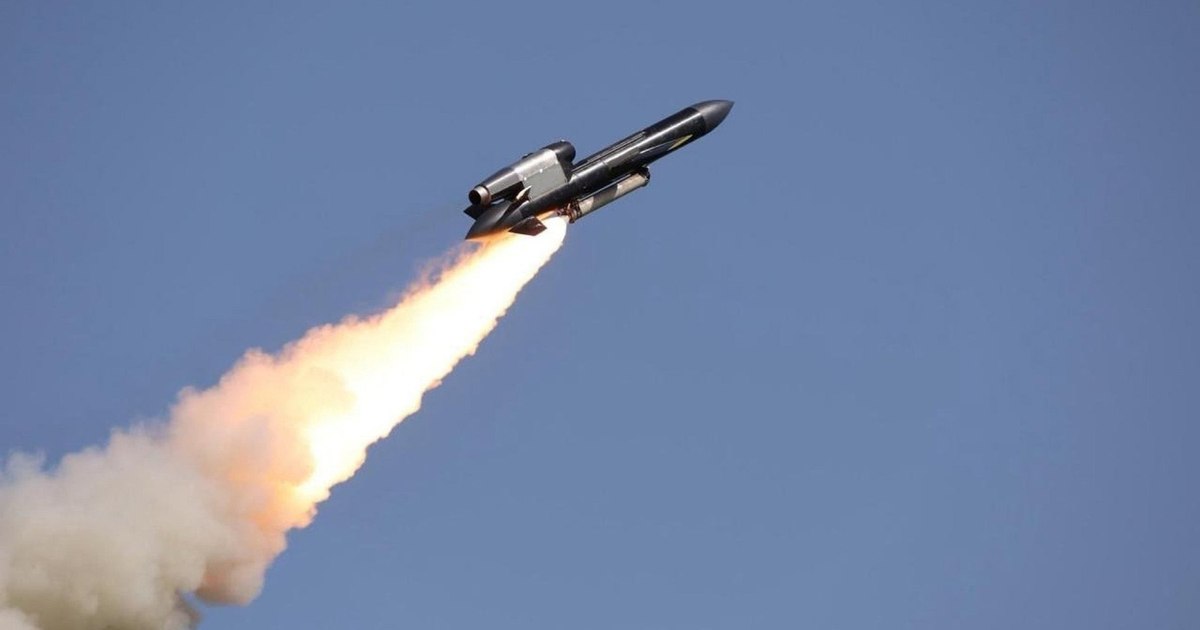
The Czech fundraising initiative dubbed “Gifts for Putin” managed to collect an impressive amount in just 48 hours, reports Euronews, picked up by Yahoo News.
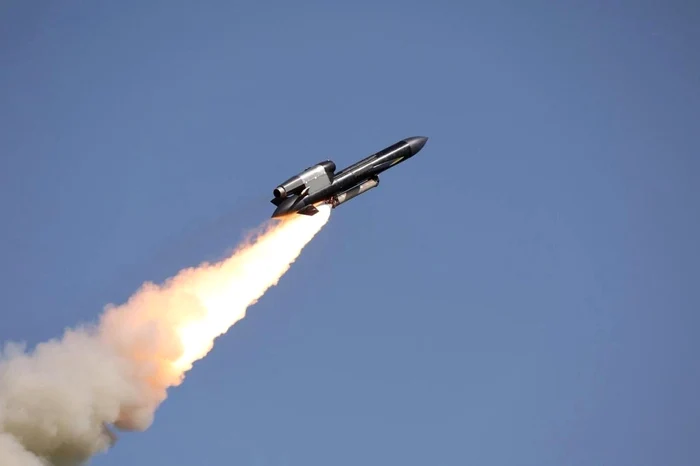
Kiev tested the new Flamingo missile in combat PHOTO profimedia
Over time, the Czech organization has carried out fundraising actions for the purchase of ammunition and drones, the training of future military pilots, the preservation of cultural heritage, the delivery of ambulances for evacuation. The most recent campaign was a fundraiser to finance a Ukrainian-made “Flamingo” cruise missile.
In 48 hours, over half a million euros was raised, the organization announced on X, specifying that the rocket will be christened DANA 1, in memory of one of the organization's co-founders and the Czech nuclear physicist, Dana Drábová, who died recently.
The FP-5 “Flamingo” missile has a range of 3,000 km and can carry a payload of 1,150 kg, according to its manufacturer, Ukrainian defense startup Fire Point.
It uses a jet engine and can fly at a speed of 900 km/h, the organization wrote on its campaign page, adding that “the missile is reportedly resistant to electronic warfare and uses special anti-jamming GPS systems.”
“Air combat is our only real asymmetric advantage on the battlefield right now. We don't have as many people or money as them,” said Irina Tereh, Fire Point's head of production.
The organization will buy the missile from the manufacturer, after which it will be delivered to the Ukrainian army. “They will decide when it will be used and determine its target,” campaign organizers said.
Ukrainian President Volodymyr Zelensky told reporters in August that the Flamingo missile is one of Ukraine's “most successful missiles” and that soon the Ukrainian military will have more such missiles: “By the end of December or in January-February, mass production should start.”
According to Ukrainian officials, the Flamingo has already been tested in combat, targeting and causing explosions at a Russian intelligence base in the occupied Crimean peninsula.
After the Russian invasion of Ukraine, the Ukrainian government promoted innovation and relaxed regulations to allow startups to work directly with the military. So in the meantime, hundreds of new defense initiatives and companies have appeared.
Firms in sectors such as metallurgy, construction and information technology have started producing weapons, ammunition and drones. The war gave them the opportunity to test their innovations under combat conditions and quickly adapt to Russia's ever-evolving tactics.