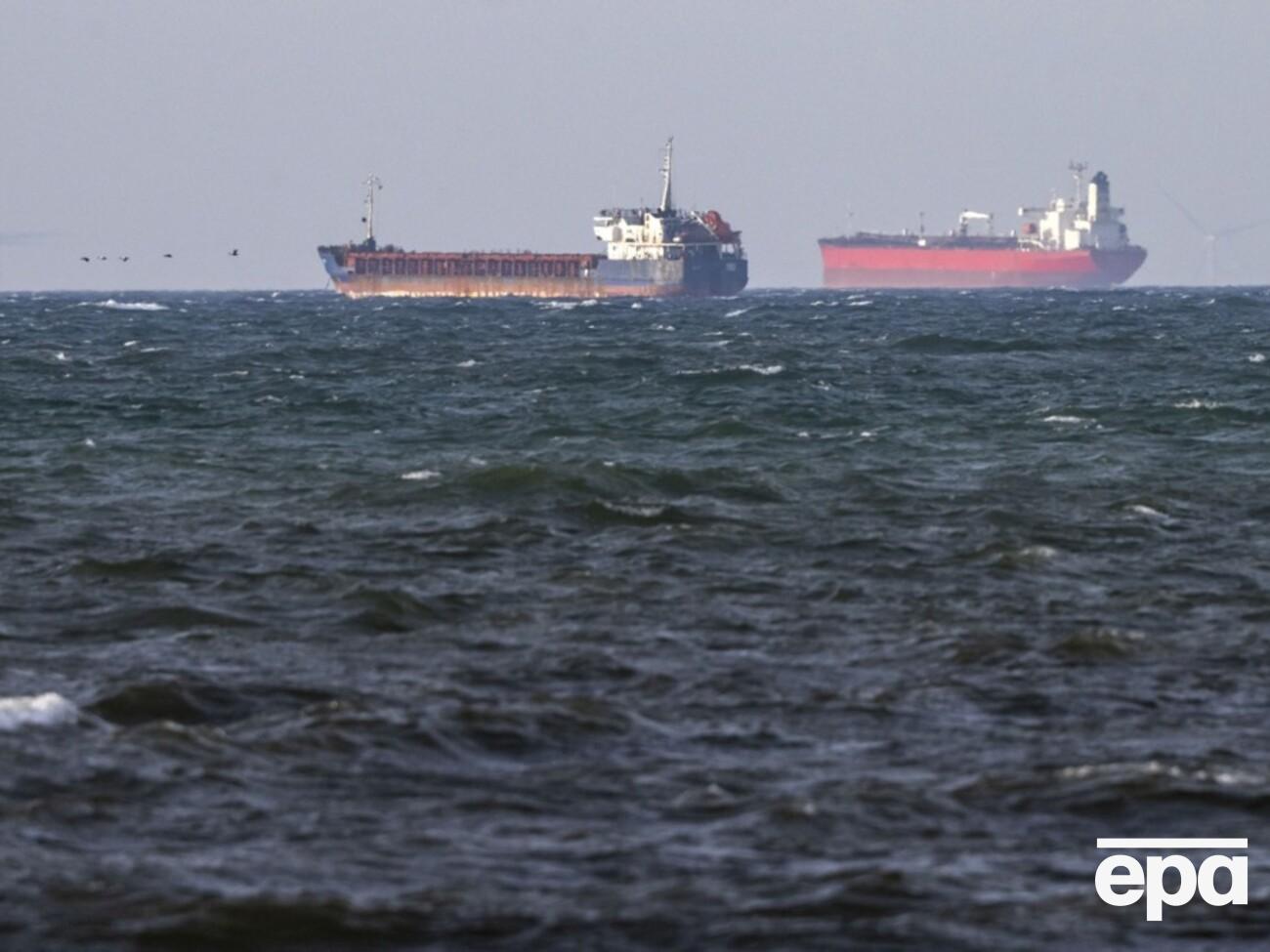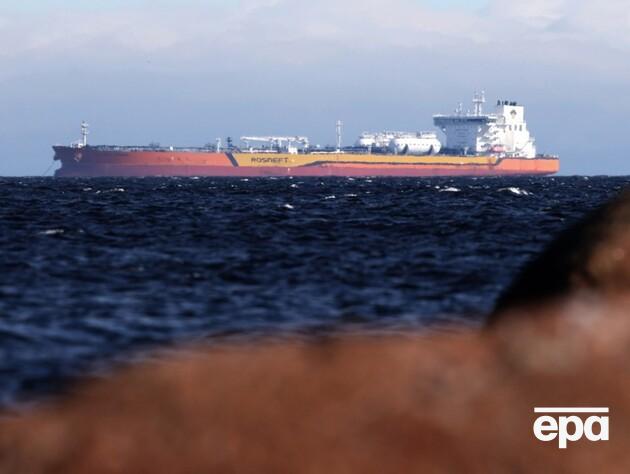
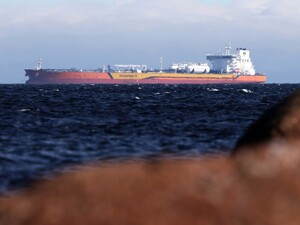
While Lithuania, Latvia and Estonia advocate isolating Russia, companies from these countries are involved in schemes that support Russia's “shadow fleet” – a network of old and uninsured ships that hide the origins and routes of oil supplies.
The investigation found that two bunker tankers – Rina and Zircone, associated with the Baltic company Fast Bunkering – carried out almost 300 refueling operations in the Baltic Sea over a nine-month period in 2024-2025, servicing 177 oil tankers, most of which visited Russian ports. Among them were ships without insurance and with signs of belonging to the “shadow fleet”.
Fast Bunkering, founded by Estonian entrepreneur Aleksey Chulets, has long been a major player in the region's bunkering market. Following the introduction of EU sanctions against Russian oil products, the company formally sold its vessels to Dubai-based FB Trade, but the investigation claims that management and personnel remained the same. Dubai, where corporate registries are closed to the public, has become a convenient haven for such structures that hide owners and fuel sources, the publication says.
Journalists discovered that Fast Bunkering's Lithuanian subsidiary, Saurix Kuras, was purchasing fuel from NT Bunkering, labeling Russian oil as Kazakh to circumvent sanctions. Estonian authorities are already investigating this case.
Despite the formal change of owners, the Rina and Zircone vessels continue to serve tankers transporting Russian oil. Experts believe that complex corporate schemes and frequent changes in ownership indicate systematic circumvention of sanctions.
According to analysts, the “shadow fleet” has become Russia’s key tool for circumventing Western restrictions. As Lithuanian Foreign Minister Kestutis Budrys said, Russia has turned these ships into a weapon against European security.
While European regulators try to tighten their controls, companies like Fast Bunkering continue to operate, ensuring the uninterrupted flow of Russian oil through European waters in defiance of sanctions and in the shadow of the law, the investigation said.
Context
After the introduction of the first sanctions, as Reuters noted, Russian oil workers there were difficulties finding tankers for transportation. But Russia, as Western media wrote, was looking for ways to circumvent the sanctions. In particular, it transferred its oil tankers registered in Liberia and the Marshall Islands to the flag of Gabon (previously the US, EU and UK warned Liberia and the Marshall Islands of responsibility for violating the sanctions regime)and also secretly transferred oil from sanctioned tankers to other ships.
Ukrainian intelligence as of December 12, 2024 identified 238 vessels “shadow fleet” of the Russian Federation, which the occupiers use to circumvent price restrictions. EU imposed sanctions against 79 ships (the last restrictions were introduced on December 16) transporting Russian oil. The UK, as of October 16, had imposed sanctions against 43 such tankers.
On January 10, 2025, the United States announced large-scale sanctions against the Russian energy sector, in particular against 184 tankers “shadow fleet” of the aggressor country, as well as against the two largest Russian oil companies – Gazprom Neft and Surgutneftegaz. Same day these two companies The UK has added it to its sanctions lists.
February 5 sanctions against captains of Russian “shadow fleet” vessels Ukraine introduced it for 10 years.
On May 9, the UK government press service announced the largest package of sanctions in history against the “shadow fleet” of the Russian Federation for at least 100 oil tankers.