War Calculations. Is Vladimir Putin a “paper tiger”? Russia-NATO comparison, missile by missile, tank by tank


The war in Ukraine continues to shape the global strategic balance, and the question that lingers is a simple but crucial one: How strong is Russia's military, relative to NATO, in reality?
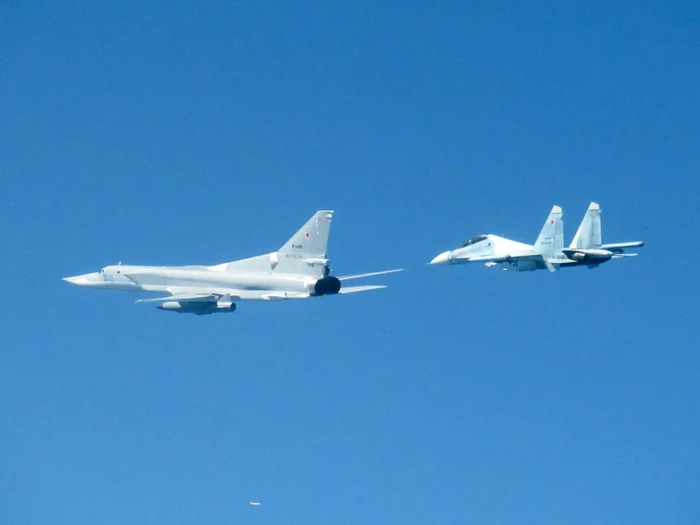
Fumbles between NATO and Russian planes/PHOTO: Archive
In numbers, Russia has one of the largest armed forces in the world. About 1.3 million active troops and millions in reserve puts it on par with the United States, far ahead of any other NATO member.
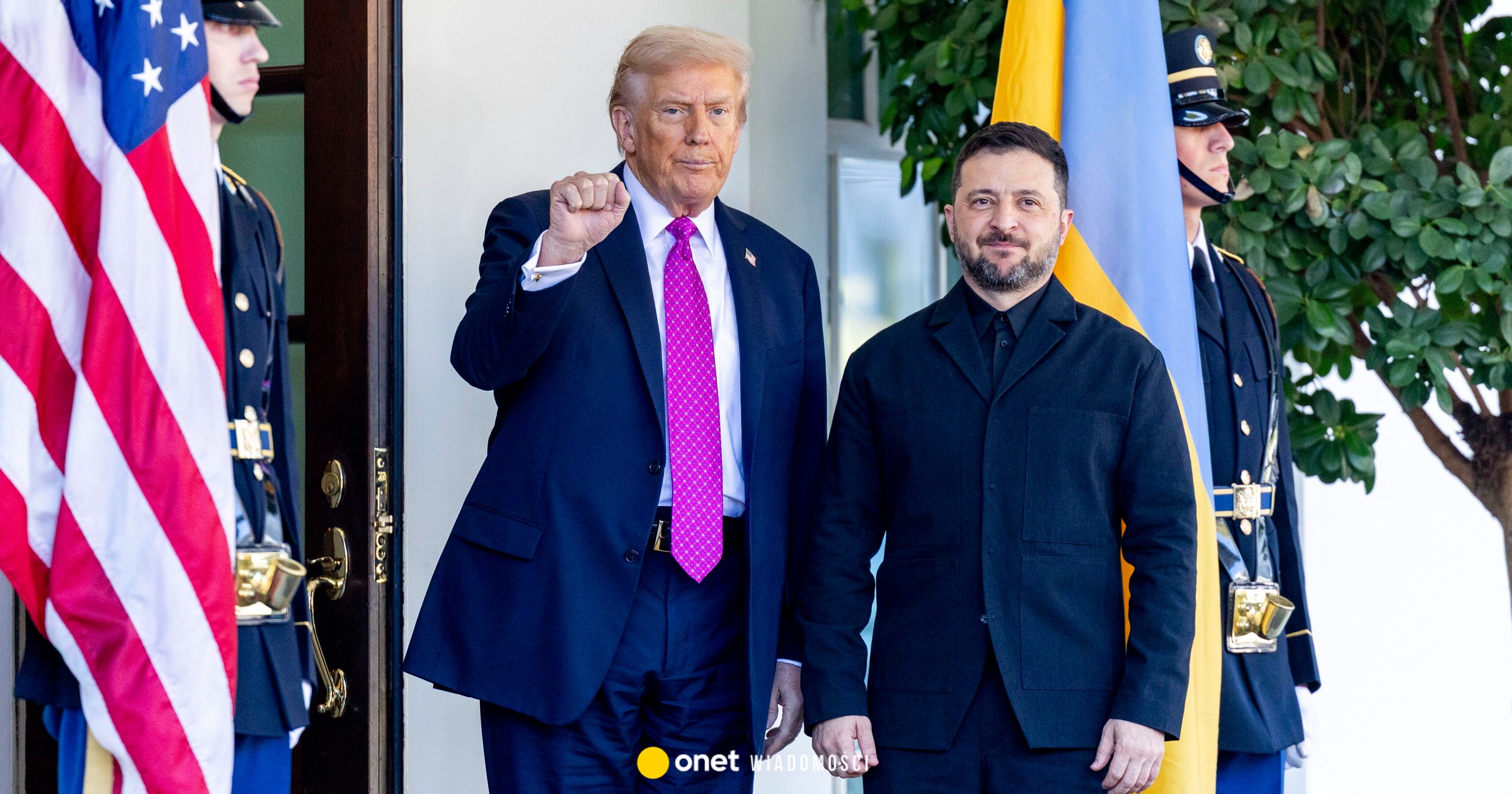
However, US President Donald Trump has described it as a “paper tiger”, a force that looks imposing but whose practical effectiveness is in question, The Sun writes.
A massive but vulnerable force
At an overall view, the NATO alliance remains clearly numerically and technologically superior. In total, member states have more than three million active military personnel, most of which is provided by the United States.
American economic power also provides the bulk of military equipment – from tanks and planes to warships – contributing decisively to the alliance's deterrent capacity.
But Russia retains an undeniable advantage: the largest nuclear arsenal in the world. Since the end of the Cold War, global stockpiles of nuclear weapons have declined, but Moscow remains at the forefront, surpassing every other nuclear power.
Although no state has used nuclear weapons since the end of World War II, their mere existence casts a constant shadow over any modern conflict. The principle of “mutually assured destruction” continues to make conventional warfare the primary arena of confrontation.
Rearmament of Europe
The Russian invasion of Ukraine caused an acceleration of defense spending in Europe. In the last decade, European states increased their military budgets by almost 175 billion dollars, reaching an estimated total of 400 billion.
Poland is at the forefront of this effort, increasing its defense spending to 4.2% of GDP – double from 2014 – and transforming itself into one of the best-armed continental forces. The Baltic countries, in turn, follow a similar course, aware of the proximity of the Russian threat.
The United Kingdom maintains a level of 2.2% of GDP and has assumed its growth to 2.5% by 2027 and 5% by 2035. Britain has also been one of the most important supporters of Ukraine, providing modern military equipment and aid of more than 10 billion dollars.
Ukraine – the real test of Russian power
Since the February 2022 invasion, Ukraine has managed, with Western support, to mount a remarkable resistance. Its forces, equipped with NATO weaponry, inflicted significant losses on the Russian army.
More than 110,000 Russian soldiers were reportedly killed or wounded, and Russia lost more than 11,000 tanks and hundreds of aircraft. Despite these losses, the front remains largely blocked. Russia controls about 19% of Ukrainian territory – including Crimea, annexed in 2014.
For the Kremlin, the war was presented as a new “Great Patriotic Conflagration” – a parallel to the Soviet Union's fight against Nazi Germany. Patriotic rhetoric helped maintain domestic support despite considerable human losses.
The Russian “mass” and its vulnerabilities
Retired US general Ben Hodges believes that Russia cannot be categorized as a “paper tiger”, but admits that it has numerous vulnerabilities.
“Russian air, naval and ground forces have demonstrated clear limits in Ukraine,” he says. “Traditionally, Russia's advantage is its geographic vastness. But that very expanse is now being exploited against it.”
According to Hodges, Ukraine was able to accurately hit critical infrastructure — oil depots, rail lines — by taking advantage of dispersed Russian defenses. “Mass is their advantage…but mass can be defeated by precision,” he concludes.
Keir Giles, an expert on Russian military affairs and research fellow at Chatham House, cautions against underestimating the Kremlin, however. “Although the Russian military suffered heavy losses, essential components – such as the air and nuclear forces – remained largely intact,” he said.
Giles points out that Europe is still underprepared for a large-scale missile attack and that one of Putin's main weapons remains hybrid warfare – cyber attacks and sabotage, which continue on a large scale.
Strained relations with Washington
Diplomatically, relations between Moscow and Washington have seen a further deterioration after a tense exchange of words between Vladimir Putin and US President Donald Trump.
The Trump administration recently imposed additional sanctions against Russia, targeting its main oil companies, in response to the Kremlin's refusal to accept a ceasefire agreement in Ukraine.
US Treasury Secretary Scott Bessent explained that the sanctions are a direct consequence of “Putin's refusal to end this senseless war”.
Former US Assistant Secretary of State for European Affairs Daniel Fried told the Atlantic Council that the decision marks a turning point: “This is the first time the Trump administration has imposed new financial restrictions on Russia — and it did so after Putin's condescension to calls for peace. It's a clear warning for Moscow to stop playing games and get serious about ending the conflict.”