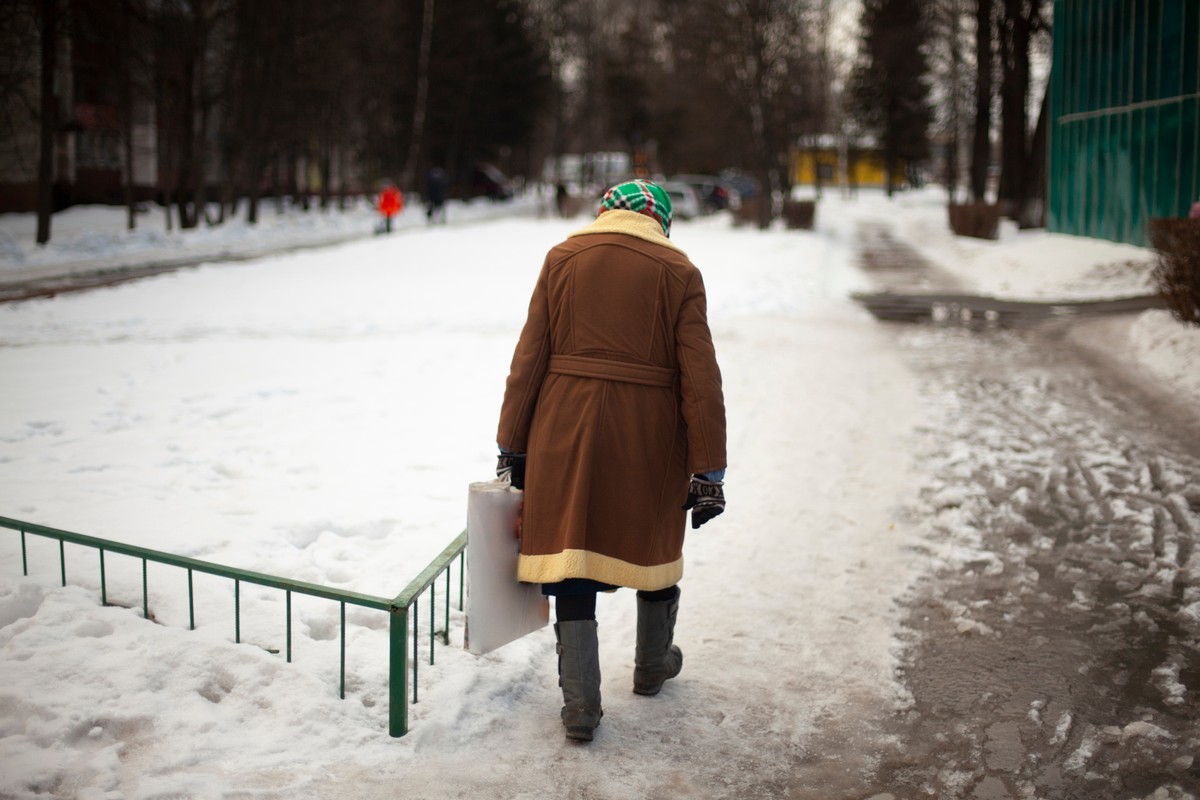
The survey results indicate deep economic problems that have not been resolved despite positive macroeconomic indicators. Gallup noted that although While Russians show better attitudes towards work and income, inflation and social inequality remain a serious challenge. The organization emphasized that food insecurity and rising prices of food products such as potatoes, which have increased by 167% since the beginning of 2024, are evidence of the fragility of the Russian economy.
High inflation, which remains at over 8%. annually, forced the Russian central bank to take decisive action. Raising interest rates was intended to stop price increases, but a side effect of these decisions was an economic slowdown. As the Moscow Times website notes, Russia's GDP stopped growing at the end of summer 2024, which forced the government to lower economic growth forecasts for this year to 1%. In turn, the International Monetary Fund predicts that in 2026 the Russian economy will grow by only 1%.
Experts point to the fading boom in defense spending that previously fueled the economy. Currently, the lack of new development impulses, combined with growing social inequalities and financial difficulties of many citizens, calls into question the stability of the Russian economic model.
The authorities in Moscow are trying to minimize the social effects of the crisis by increasing subsidies for basic products and offering financial assistance to low-income families. At the same time, state media promote a narrative about the “resilience of the Russian economy” and the West's blame for economic difficulties.