The price of gold will reach $4,900 an ounce by the end of 2026. “For those who save in gold, inflation is practically non-existent”

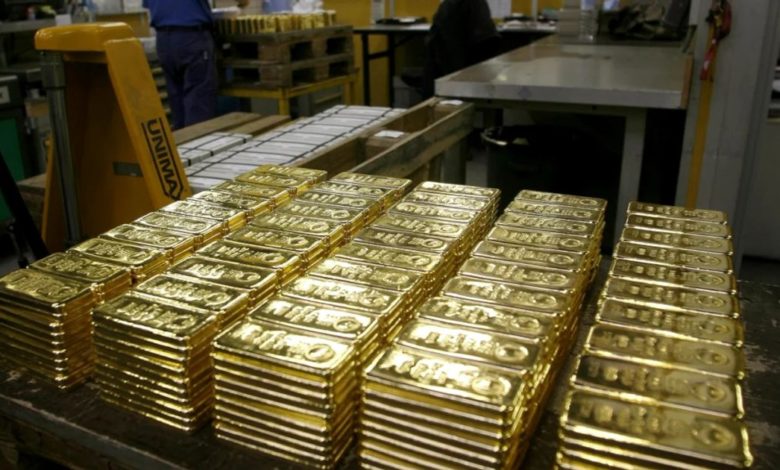
Consumer goods around the world are becoming more expensive when measured in traditional currencies. However, expressed in ounces of gold, the same goods have become more affordable, clear evidence that the precious metal continues to protect purchasing power in the context of global inflation and currency depreciation.
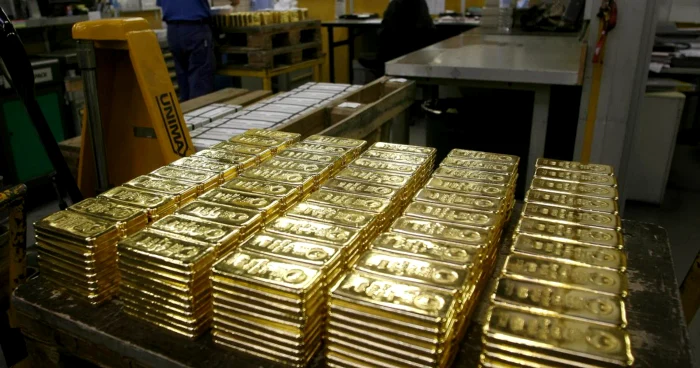
Gold is a safe haven asset. Archive photo
Over the past decade, the price of a wide range of everyday goods and services, from technology and home appliances to entertainment and leisure services, has seen significant increases in nominal value. However, their gold equivalent value has decreased. In other words, consumers pay more in regular currency, but the real value of their spending is less when measured in gold.
This trend is easy to see in some of the world's most famous consumer products. The new iPhone Max 17 (1TB) is the most affordable model yet when valued in gold at just 0.46 troy ounces. In comparison, previous flagships cost 0.87 ounces in 2022, 0.78 ounces in 2023 and 0.64 ounces in 2024, representing a more than 50% reduction in gold in just three years.
With one ounce of gold you can buy 186 l of beer, 3 times more than in 2005
A similar development is visible at the Oktoberfest festival in Munich. In 2025, one ounce of gold can buy 186 liters of beer, compared to 99 liters in 2015 and only 56 liters in 2005. In just two years, a gold investor can purchase 26% more beer than in 2024 and 56% more than in 2023.
“For those who save in gold, inflation practically does not exist, on the contrary, goods become more affordable. This is the power of real money: it preserves the value of work and savings, regardless of currency fluctuations,” explains Victor Dima, manager of the Tavex Romania Treasury Department.
The global rise in consumer prices has been accompanied by a steady decline in the purchasing power of major currencies. Since 2020, the US dollar and euro have lost over 20% of their real value, affected by persistent inflation, expansionary monetary policy and slowing economic growth.
The price of gold will reach $4,900 an ounce at the end of 2026
In contrast, gold not only maintained its purchasing power, but hit a new record high this month, surpassing $4,300 per troy ounce. Despite the record nominal value, its stability in real terms continues to make it an attractive form of store of value for both institutional and private investors. This resilience is also recognized at the institutional level.
“In a world where all currencies lose their purchasing power, gold remains the universal measure of wealth. They don't pay interest, but they retain their purchasing power, and this is the strongest form of protection an investor can have. According to Goldman Sachs, by the end of next year, the price of gold will reach $4,900. Our forecast is over $5,000 by the end of the decade, although that seems a conservative estimate at this point” concludes Victor Dima.
According to the World Gold Council, central banks globally added a net 15 tonnes of gold to their reserves in August this year, continuing the strong buying trend seen throughout the year. Among the most active buyers were countries such as Poland, the Czech Republic, China and Turkey, and other states in Europe and Asia announced plans to increase the share of gold in foreign reserves.
Romanian investors follow the global trend
In Romania, interest in physical gold has grown steadily in recent years. More and more investors, both individuals and companies, see it as a long-term hedge against inflation, currency volatility and geopolitical uncertainty.