The Cathedral of the Salvation of the Nation seen by the architects: “A project desired since the time of Eminescu and the kings of Romania. No one complained why the National Arena is being built. We must live together”

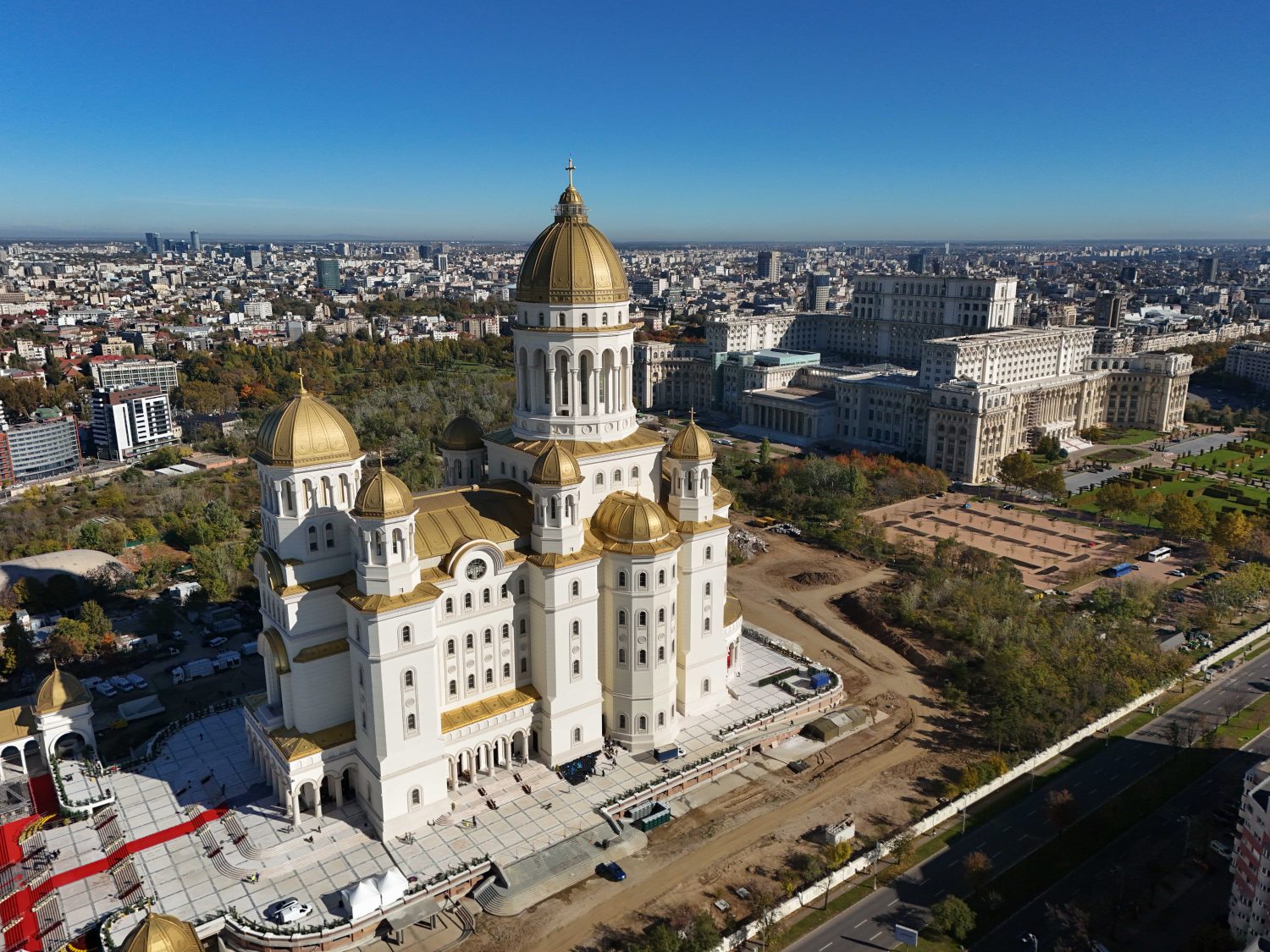
The National Cathedral will be consecrated today. There is a lot of discussion, pros and cons, about the proportions and the architectural solution of the Cathedral of the Salvation of the Nation, the largest Orthodox cathedral in the world, with an iconostasis that entered the Book of Records. The head of the Bucharest branch of the Romanian Order of Architects, Emil Ivănescu, says that “it is a necessary project”.
- Doctor in architecture, Ivănescu heads the Bucharest branch of the Romanian Order of Architects (OAR) from 2022.
- I also talked with another architect, Augustin Ioan, professor at the “Ion Mincu” University of Architecture and Urbanism (UAUIM) in Bucharest and director of the university's doctoral studies (since 2016). He attended postgraduate studies at Oxford (Great Britain) and at the University of Cincinnati (USA).
- Augustin Ioan had won a project for the cathedral, which was never implemented. “A priest said to me: Professor, I see my son skateboarding in the square here, in front of the cathedral. It seemed auspicious.” The architect is not a fan of the current form.
- But even if his project was not, in the end, done, Augustin Ioan says that the idea of the cathedral “has a long history and, if you allow me, respectable. And the kings took care of this theme because it was needed. And the other surrounding countries have patriarchal cathedrals. It is also a matter of geopolitics.”
- The National Cathedral, also known as the Cathedral of the Salvation of the Nation, is consecrated, today, October 26, in the presence of the Ecumenical Patriarch Bartholomew I and the Patriarch of Romania Daniel
A wish from the time of the kings of Romania
Size is not just size. It's power. “When architecture expresses a power, a real power, it changes its scale, it becomes very big”, explains Emil Ivănescu, head of the Bucharest Architects' Order.
And the Cathedral of the Salvation of the Nation, a project desired since the time of King Charles I and then of King Ferdinand, was imagined from the start as a construction of great proportions.
“It was probably the church's need to express its power, the state's need to express the fact that we are in this religious direction”, emphasizes the architect Emil Ivănescu.
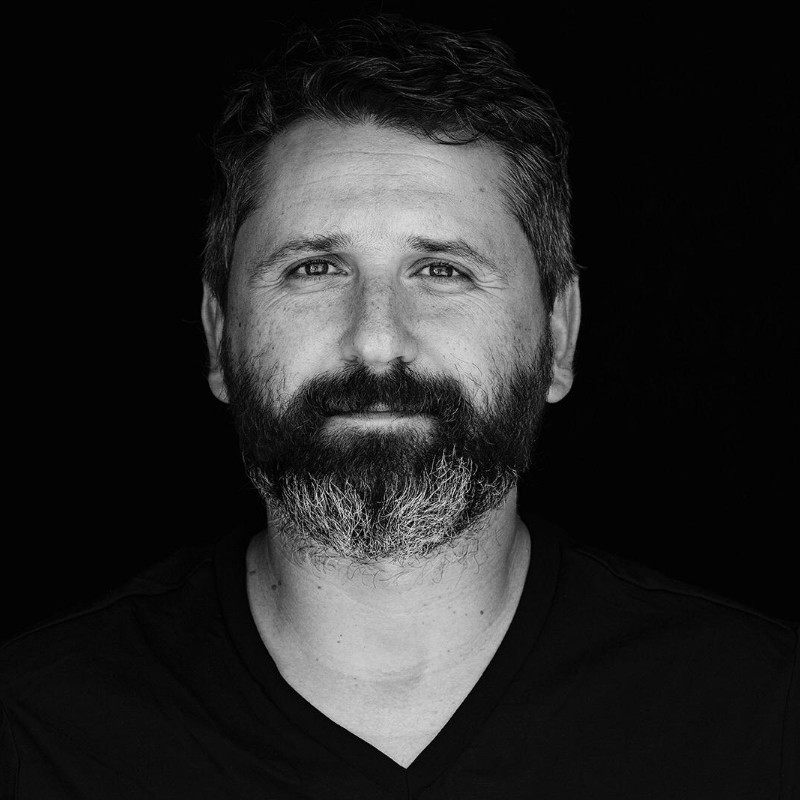
“Historically speaking, during the interwar period and even before, when the first ideas appeared (no about the cathedral), they were thought of on the same colossal scale, maybe even bigger – relative, of course, to that time – compared to what is being built now”, continues Emil Ivănescu.
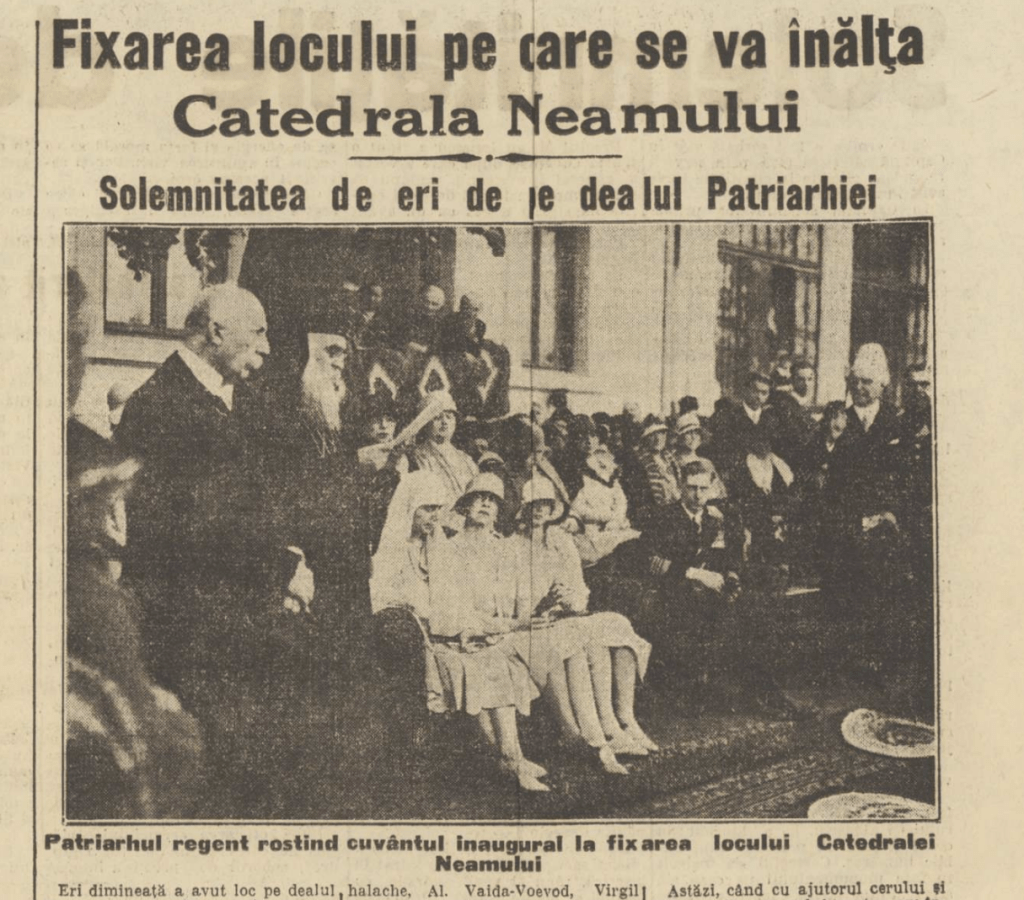
In 1929, the Regent Patriarch Miron Cristea was consecrating a troit at the foot of the Mitropoliia hill, where the Patriarchal Cathedral was supposed to be built, and was establishing the order of size for it: 30,000 square meters of what was then called Bibescu Vodă Square were allocated to it, to which another 20,000 square meters could be added that would have resulted from the “covering The lady”. For financial reasons, such a cathedral could not be built. Yet.
The power of the BOR in relation to the state
Today, the land on Dealul Arsenalului, on which the construction that became a reality is located, covers an area more than double – 110,000 square meters, i.e. 11 hectares, made available by the Romanian state.
In his book “The State Church or the State Church”, the Swiss historian Oliver Jens Schmitt, specializing in Eastern Europe, noted that never in the last hundred years has the Romanian Orthodox Church been so strong in its relationship with the state, as it is today.
The location of the Cathedral of the Salvation of the Nation near the House of the People, the current seat of the Parliament, symbolizes, according to him, “the closeness between the state and the BOR. Although the BOR is not mentioned in the constitution as a state church, the cathedral symbolically represents the reality on the ground in Romania.”
“Bucharest could have had valuable constructions that would have put us on a contemporary map”
Emil Ivănescu looks at the neighborhood of those enormous edifices and puts things in an architectural perspective. It is a better positioning, for example, than one of the previously proposed sites, in Charles Park, instead of the Monument to the Unknown Hero, which should have been demolished for this reason. And there is something else.
“The fact that the Cathedral is in this area, on the plateau on which the People's House is located, somehow reduces its size, at least in appearance,” he believes.
“The entities have blocked each other for 30 or so years. The bigger a project is, the faster it is blocked. The problem is that Bucharest could have had valuable constructions resulting from international competitions and which would have put us on a contemporary map of spatial values and quality of life.
The church managed to overcome all these things and make an edifice that expresses it. Therefore, for the public environment it may seem strange, because she is singular. But many other edifices were tried and all, at least after the winning solutions were given, were blocked by other entities. It's a very old story of Bucharest. And that's why this building seems the only big and the only strong one”, says the president of OAR Bucharest.
What does the city lack today, compared to other capitals? “A philharmonic,” he gives just one example.
The cathedral “will have to stand the test of time”
Emil Ivănescu believes that a patriarchal cathedral is a necessary project in a country where people participate in large numbers in religious holidays.
“As long as one of our values is faith, I think a project like this expresses our state very correctly. (…) Let's look in other cities, in other countries. In the past centuries, monuments were erected that for those periods were huge, but, over time, they showed their value, they became a kind of symbol. Now, the newly built church will have to stand the test of time”, believes the architect.
An abandoned project
In 2002, the Romanian Orthodox Church organized, together with the Ministry of Public Works and the Capital City Hall, a competition after which a winner was designated: Professor Augustin Ioan, who led a team of young architects and students.
The competition had been made for another location of the cathedral, near Piața Unirii, on the axis of Unirii Boulevard, towards Nerva Traian, in an area where, in the 80s, the “Singing of Romania” Center should have been built. After the location was changed, the project was awarded, following an auction, to a company from Bacău, which completed it.
“What we have now is the result of a negotiation between that entity and a team of designers. And that's roughly what this whole topic is about. In our opinion, it would have been good if the result of the competition had been implemented, even though the scale of that project was very large. But, stylistically speaking, on an aesthetic level, things were going in a valuable direction”, considers Emil Ivănescu.
“An anachronism”
The head of OAR Bucharest also talks about what he doesn't like: “What is a bit out of sync is the fact that we are experiencing a very high technological momentum, but the final language is a very old one – arches and things from them that make the language of a Byzantine architecture. They had a structural logic in the past.”
“At the moment, they are preserved as scenery, but the structural logic is totally different. I mean, it no longer expresses the idea of structure, it no longer expresses the language, and everything becomes a scenery. That's the sad part of things.”
“In the eyes of a professional or a man who also knows history, this is obvious, even if the setting, say, may please some people. It is an anachronism here, because the language is that of the 19th century, but the technology behind it is of the 20th century, not to say sometimes the 21st. Any construction directly expresses the identity of its beneficiary. And this construction absolutely directly expresses the identity of the institution.”
The cathedral that could have been
HotNews also spoke with the architect who won the solutions competition in 2002, Dr. Augustin Ioan, professor at the “Ion Mincu” University of Architecture in Bucharest, about the principles behind his project.
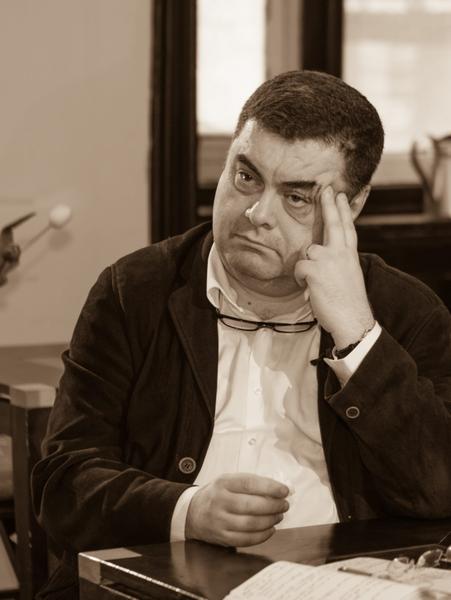
“I said that it must be a recapitulation of the history of Orthodox architecture in our country, but at the same time, it should also offer a vision of the future. I remember that one of the priests involved in the competition said to me: “Teacher, I see my son skateboarding in the square here, in front of the cathedral. It seemed auspicious to me. If this was a feeling he was expressing, namely that it can be playground for children, why not?”, recalls the architect.
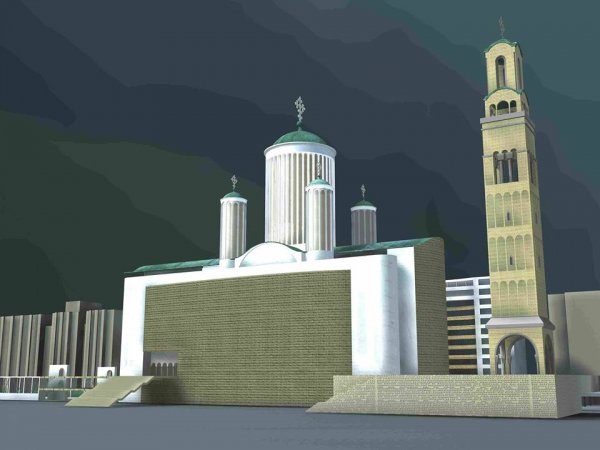
“It is enough to look at the project in good faith to see that there are references to almost the entire history of aesthetics in Romania. And not only in Romania, because this is not a local, ethno-religious matter, it is a universal church, which has this foot in Romania”, says Augustin Ioan.
He says that after winning the competition, he was invited to Portugal to present his idea. But, according to him, “those from the BOR were not happy” that the jury had chosen him as the winner of the competition and, after the change of location, the church appointed another team to deal with the project.
Redemption Cathedral “looks old, but not traditional”
Augustin Ioan agrees that Romania needed a patriarchal cathedral, after the Romanian Orthodox Church became autocephalous in 1885 and after it was raised in 1925 to the rank of patriarchy.
“Since Eminescu, there has been talk about the need for a patriarchal cathedral, the project has a long and, if you allow me, respectable history. And the kings took care of this topic because it was needed.
And the other surrounding countries have patriarchal cathedrals. It is also a matter of geopolitics, especially now, see what is happening with Ukraine and Russia, see who is coming to the consecration, the ecumenical patriarch, Bartholomew”, says Augustin Ioan.
When we ask him about the representativeness of the Cathedral today for the entire population of Romania, not just for practicing Orthodox, he gives an answer in which he refers to the National Arena:
“There are people who are not passionate about sports, but nevertheless the National Arena was built. No one complained why the National Arena was built. There are categories of people who do not have children and still pay for schools and kindergartens and so on. If we are to live together, we must live together with all these relationships.”
However, he believes that, since it was made with public money, the winning solution should have been chosen through competition. And that a church must contain references to the past, but “be addressed to the generations to come.”
The Cathedral of the Salvation of the Nation “looks old, but it is not traditional”, says Augustin Ioan.
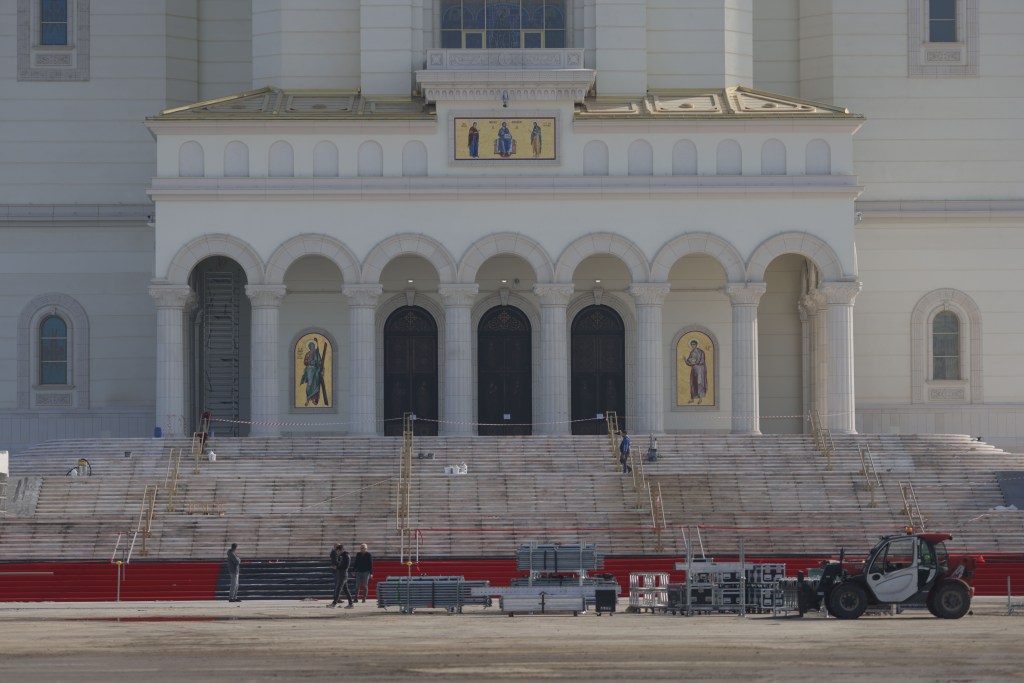
After the cathedral he envisioned was abandoned by the BOR, the architect took care, between 2009 and 2018, of the construction of the new Archbishop's Cathedral in Curtea de Argeș, in whose necropolis King Michael and Queen Ana were buried.
The consecration takes place today
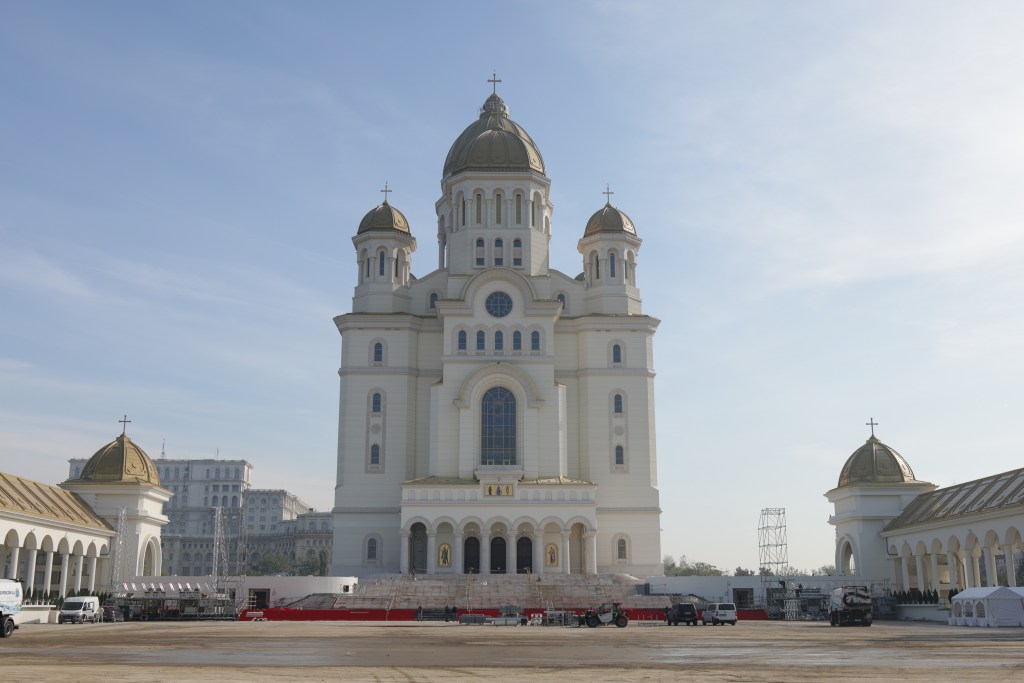
The National Cathedral, also known as the Cathedral of the Salvation of the Nation, is consecrated, today, October 26, in the presence of the Ecumenical Patriarch Bartholomew I and the Patriarch of Romania Daniel. The event is billed as one of the edifice's “spiritual completion” and marks the completion of mosaic painting and major interior work after more than 15 years of construction.
Inside, 2,500 official guests, hierarchs, dignitaries and state representatives will have access. Also, in the courtyard of the National Cathedral, “only organized groups of pilgrims from the country's dioceses, numbering 8,000 people, will attend the service, who will be able to watch the service on the screens specially mounted near the access steps to the Cathedral”, according to the Patriarchy.