Archival materialOnet
The history of the group La Tribu (also called Ecoovie and later Iriadamant) begins in 1973. It was then that it was founded by Canadian Pierre Doris Maltais (the man also used many other identities). He claimed to be a descendant of Native Americans. Considered a guru among his people, he wanted its members to lead a life in harmony with nature.
The article continues below the video
The group, whose core consisted of French, Canadians and Belgians, initially made money by selling home-made products. In the mid-1980s, they went out into the world to spread their message beliefs based on Native American heritage. In terms of beliefs, they were animists. This is a primitive form of religiosity that assumes that elements of nature, such as animals or plants, have souls.
The MP brought a “tribe” to Finland. They were to take part in research
Ecoovie members dressed up in Native American costumes and took names based on them. They lived in a rather primitive way, rejecting, among other things, possibility of using medical care. They were supposed to live in their own village and not use modern tools. In the 1990s, they adopted the new name Iriadamant. They wanted to become an ethnic group that would create its own culture, customs, music, and ultimately also language.
It was then that the Finnish professor at the University of Oulu and member of parliament from the Green League, Erkki Pulliainen, became interested in the group living in Italy. He decided to bring Iriadamant to his country with the intention of conducting research on people's ability to adapt to life in nature and learn self-sufficiency. The project was to be supervised by the University of Helsinki. In the fall of 1991, the group's camp was established in Kittila in northern Finland.
Thanks to Pulliainen's help, it was possible to obtain a temporary residence permit for a group of 140 people who came to Finland through Sweden. According to the assumptions, the research was to last seven years, after which Maltais and his people were to become self-sufficient. The Finns initially treated them as a tourist attraction and thought they were real “Indians”. The members of Iriadamant themselves agreed to such treatment. In return, they expected the right to land and provisions.
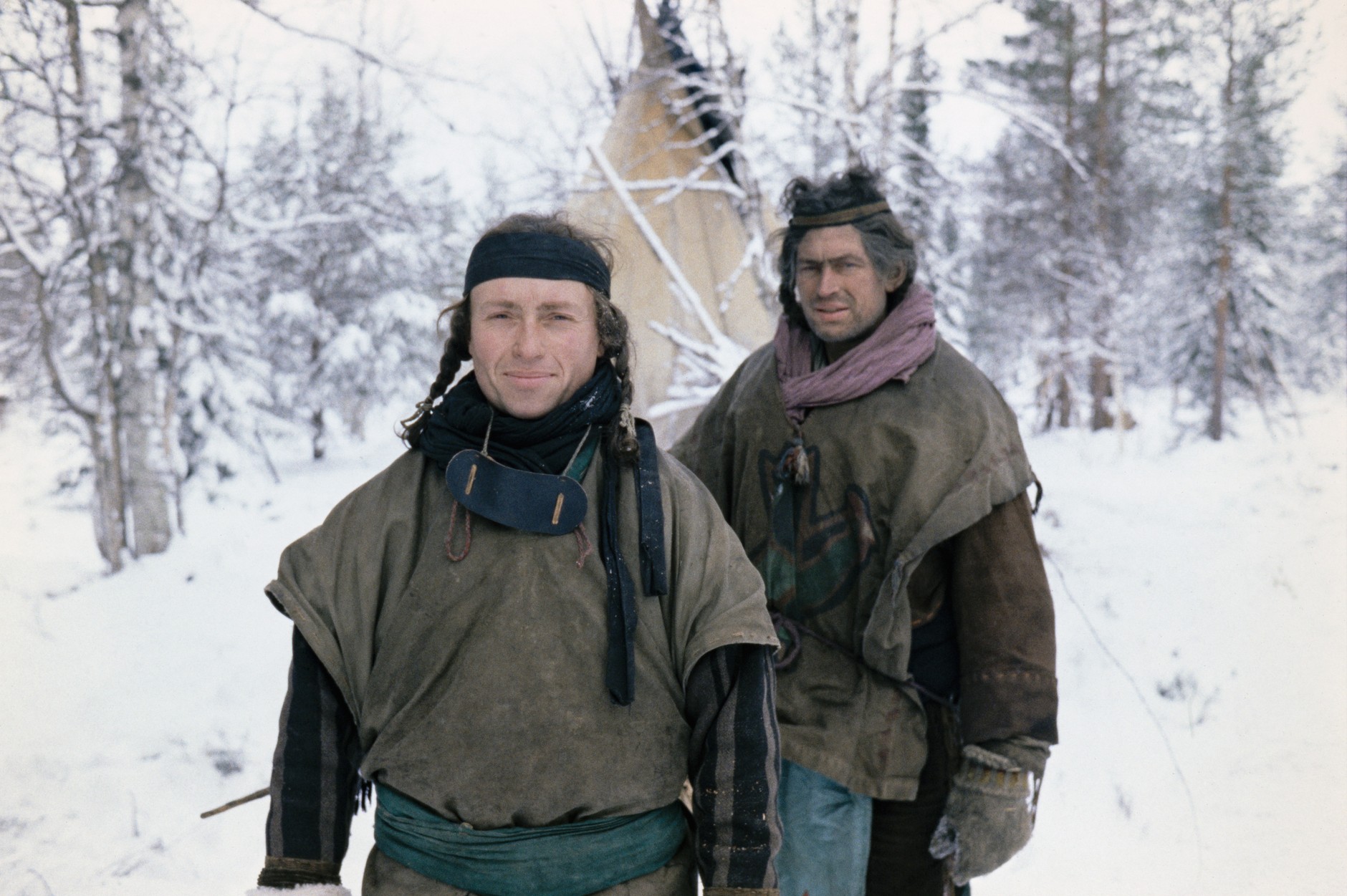
Members of the Iriadamant group in the Kittla camp in 1992.Jukka Kuusisto / Wiki Commons
A sect fixated on its guru. Dark facts came to light
The group members were fascinated by Maltais, who led them, building something like a sect around himself. In testimonies from that time, he is presented as a particularly intelligent and determined person, but also able to provide fatherly care. In later years, the media also described him as a talented manipulator and megalomaniac.
The daily rhythm in the Iriadamant camp was set by the sun and the moon. In the morning, group members practiced yoga-like exercises. Immediately after that, they moved on to their duties. It was during the morning that the most important work took place. Then, among others crops were harvested.
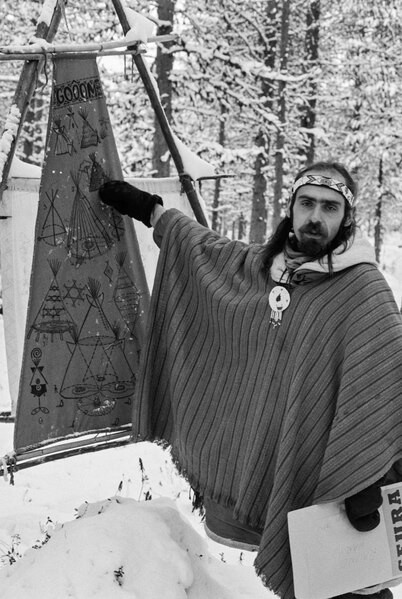
A member of the Iriadamant group presenting construction drawings of their tentsJukka Kuusisto / Wiki Commons
In the afternoon, group members began preparing for the only meal they were allowed to eat during the day. They sat down to eat only after 18. Earlier, the guru did not even allow his subordinates to drink.
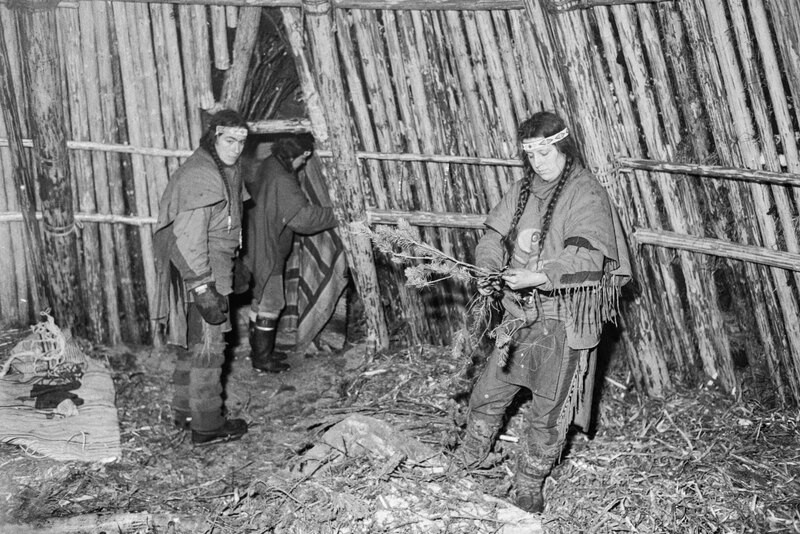
Cult members inside the tentJukka Kuusisto / Wiki Commons
The sect sat in a circle and shared a piece of baked bread. After this ritual, its members could go to their tents and eat more there. The meals they ate were vegan and contained many wild plants.
Dramatic conditions in the sect camp. A 3-year-old boy died
It didn't take long for it to turn out that the members of Iriadamant in Finland's harsh climate they are unable to become self-sufficient. The camp could not function without food donated by local farmers. Area residents also delivered four truckloads of firewood to them every day.
As it turned out, the group manipulated by Maltais did not reject the goods of the modern world. She secretly used various devices and tools that were made of plastic or glass. They used the same saws to cut wood as the modern inhabitants of Finland. The guru himself did not even live permanently in the camp.
More and more disturbing stories quickly began to circulate about the sect. The “tribe” did not care about hygiene at all and had serious dental problems. In August 1992, a 3-year-old boy died in the camp. He was sick with bronchitis.
Ilpo Okkonen, who helped bring the group to Finland and lived in the camp, claimed that the child may have been sexually abused before death. After the ceremony to celebrate the boy's birthday, Maltais's subjects were to take him to one of the tents. Okkonen said the 3-year-old's terrifying scream was later heard. In turn, the Belgian “La Libre” reports that orgies were organized in the village, initiated by the guru.
The Maltais sect allegedly exploited children. He himself had much more on his conscience
More and more negative reports about the newcomers began to appear in the media. The group members were accused of, among others, child abuse, as well as keeping people in the camp against their will. In Kittla, people were said to have suffered from hunger and cold.
Dark clouds also gathered over the guru Pierre Doris Maltais himself. As it turned out, he was suspected of participating in terrorist groups and collaborating with the secret services. He was also allegedly involved in drug and weapons trafficking. He often left the camp and stayed in luxury hotels throughout Europe.
As soon as the controversy surrounding Iriadamant emerged, Erkki Pulliainen withdrew from the scientific project and stopped financially supporting the group. The Finnish Immigration Office then became interested in the “tribe” and did not want to extend their residence permit. However, this decision was appealed by the then Commissioner for Foreigners, Antti Seppala.
Finnish parliamentarians argued over whether the group should be expelled from the country. In her defense he stood, among others: Finnish Minister of the Interior Mauri Pekkarinen. Iriadamant began collecting signatures for a petition regarding their case, which they then sent to the president of the country. Ultimately, however, Maltais and his charges were deported from Finland after their temporary residence permit expired. More than two truckloads of garbage were removed from one of the camps they left.
In 1993, Maltais appeared in a Belgian court. He was accused of, among others, about fraud and embezzlement. Ultimately, however, he avoided serving time. He then returned to Canada. Soon after, the local justice system became interested in him. He was accused of abusing little boys. He then fled to Nicaragua. He died there in 2015.