This brand has recorded a 500% increase in sales of electric cars in Poland. It's not from China

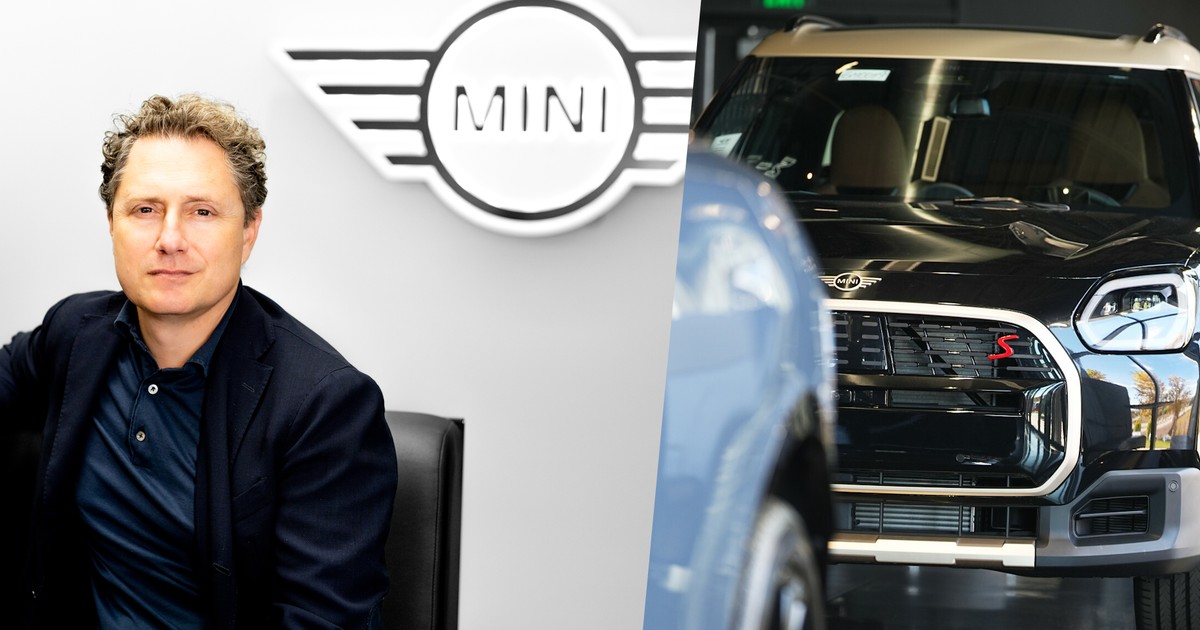
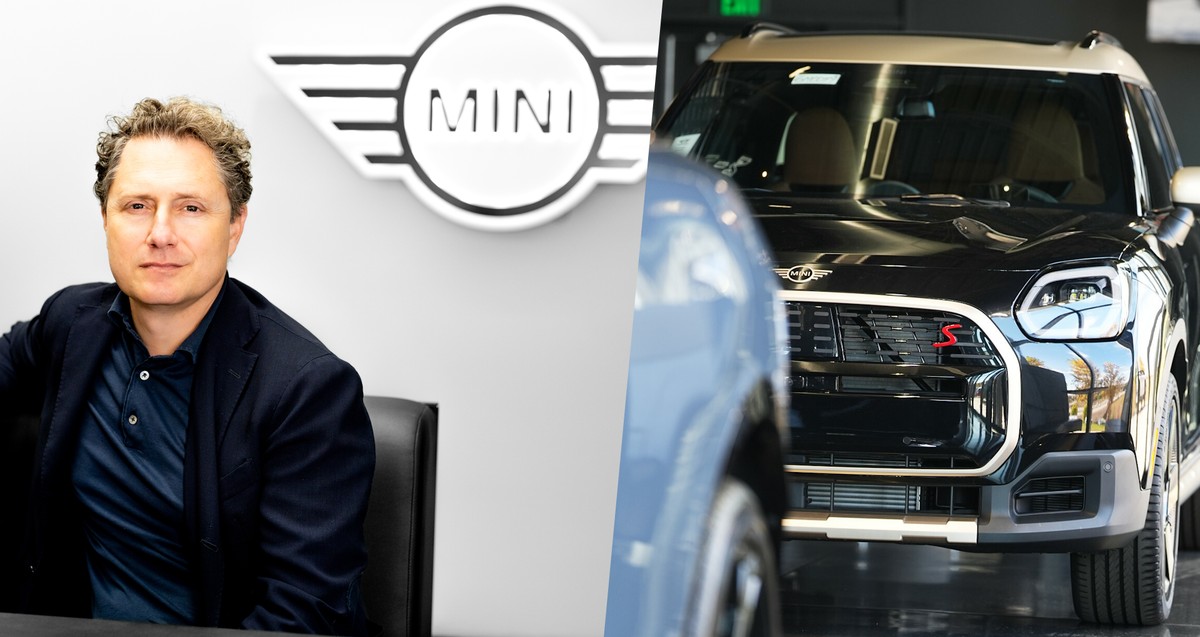
Grzegorz Kowalczyk: The Chinese are entering European markets with a bang. When you look at these brands, do you feel anxious or excited?
Read also in BUSINESS INSIDER
Federico Izzo, head of the MINI brand in Europe: Europe and China are the two engines of future growth. For MINI, Europe is the largest market in terms of sales volume – we account for over 55 percent. global sales. At the same time, China is a development region for us. We see that local customers buy MINI because of the brand's heritage and tradition.
I think that Chinese manufacturers are distinguished by their rapid development and ability to adapt to the market. MINI has a very strong brand and premium offer. At the same time, we know that we have something to tell that they don't – a story. It is a network of MINI dealers, service centers and market managers.
How important is the price aspect? Chinese manufacturers can offer really cheaply priced products in Europe.
The fact that Chinese products are competitively priced is nothing new. MINI operates in the premium segment, offering high-value products. Our strength is our brand and the entire community we have built over the decades. When I worked in the UK, people talked to me like I was a member of the community, not like a manager working for a car manufacturer.
You mentioned MINI's heritage – the history, the entire user community. How important is this aspect compared to economic reasons?
We have internal loyalty data. We know that within the BMW Group, MINI customers are the most attached to the brand. This is something that surprised me when I first arrived in the UK as head of the largest MINI market in the world.
There was a radio show on the BBC called “What's the name of your MINI” where people from all over the UK called up and said, “My MINI is Shirley”, “My MINI is Tom”. This well illustrates the level of their relationship with the brand. We have initiatives such as MINI Takes The States, in which our customers travel from one end of the USA to the other every two years.
Fans of the brand also ask us about MINI United, which we have done in the past and will do in the future – it is a festival to which we invite all our customers.
Apart from Chinese manufacturers, what is currently the most important area of competition in the automotive industry? Is it technology, building customer loyalty, or labor costs?
All these aspects are important. Connectivity and digital experiences are MINI's absolute priority. We need to make sure that when they sit in the car, people feel the difference between a MINI and any other small or compact car. The MINI design is recognizable at first glance.
The rest of the article below the video:
As I have already mentioned, the strength of the BMW Group is its long history of relationships with the market and our dealer network. We also use the recently introduced agency model. We are able to shape purchasing policy, analyze customer data on a macro scale and prepare an optimal offer. This is a big advantage.
Let's move on to the electric revolution in Europe. A few years ago, there was a race for great declarations of moving away from combustion engines. Then we saw some brands become more cautious with their announcements. What will be the future of the automotive industry from this perspective in Europe?
There is no single path for the BMW Group – we stand for technological openness. This allows us to flexibly respond to the different needs of customers in individual markets. Regardless of which drive the customer chooses, the BMW Group always offers the most efficient technology.
Every year we sell more electric cars than the year before. 35 percent MINI sales are electric variants. We have a clear strategy for reducing CO2 emissions. At the same time, however, we point out that EU plans to reduce the sales of combustion cars by 2030, with a ban until 2035, differ significantly from actual customer demand.
What is the future of the electric portfolio? When you look at it, do you see more opportunities for the market?
For MINI, a key area is urban mobility. Electrification is perfect for cities and this is good news for our brand. But there will always be regions where demand for combustion cars will remain strong.
What do you think about EU regulations affecting the entire automotive industry?
Focusing solely on exhaust emissions is insufficient. Emissions from vehicle production and supply chains also need to be taken into account to ensure the industry's competitiveness. At the BMW Group, we advocate a technology-neutral approach that measures the actual impact of CO2 throughout the entire life cycle of a vehicle. This allows the automotive industry to remain flexible and innovative.
MINI is a premium car, and this market has been developing quite strongly in Poland for several years. Has our country's role in the MINI strategy changed?
The Polish market has always been important to us, but we have not always achieved great success there as a brand. I remember coming here in 2010 and talking to some investors about MINI. Some of them then decided: “No, we will invest in Rolls-Royce within the Group.”
But Polish society is changing so quickly, it is becoming extremely digital, it is evolving economically, preferences have also changed and there is a really huge demand for nice cars. MINI sales this year have increased by 23%. In Poland, we grew by as much as 529% in the electric car category. compared to the previous year. The potential is huge. We want to invest in this market, have the right network, the right products and brand positioning because we want to gain more customers here.
It is no coincidence that Poland was the first market where we introduced the agency model – we knew that the level of customer digitalization is higher here than in many other countries, Poles are definitely more open. We want to maintain this level in the coming years.
So will MINI break with the image of a premium brand to win customers?
MINI is a premium car. We must avoid the impression that this is a vehicle only for a luxury target group. Today, the MINI price list starts from PLN 600 per month for an electric car. It's about 120 euros.
You mentioned the need to maintain investments. Is the company considering locating them in Poland?
At the moment, we do not plan to build a production plant in Poland.
MINI is a British brand, but from a German group. Has Brexit changed its functioning?
Brexit obviously had an impact on the UK market, but we coped very well and the UK remains the most important market for MINI.
Will this be the same with current trade tensions?
We have always advocated keeping trade as open as possible between markets and regions. For MINI, we have one production plant in China (with our partner), one production plant in Leipzig and one production plant in Oxford. We are well positioned to serve customers around the world.
Interviewed by Grzegorz Kowalczyk, journalist of Business Insider Polska