

In the summer of 2025, the American chain Cracker Barrel lost money in a week $100 million market value after changing the logo. The man leaning against a barrel – a symbol of old times – disappeared from the classic, recognizable sign. The new logo was supposed to be modern, but customers considered it a betrayal of its roots. Company after a week withdrew from rebranding under pressure from public opinion.
This case shows how thin the line is between refreshing a brand and losing its identity. For brands with a long history, every move on the foundations is a risk – both image and financial.
Brand as national heritage
— Wedel holds a special place in Polish culture. We must respect the achievements and history, but at the same time move the brand forward – says Krzysztof Bogacz, Director of Marketing, Strategy and Innovation at Wedel.
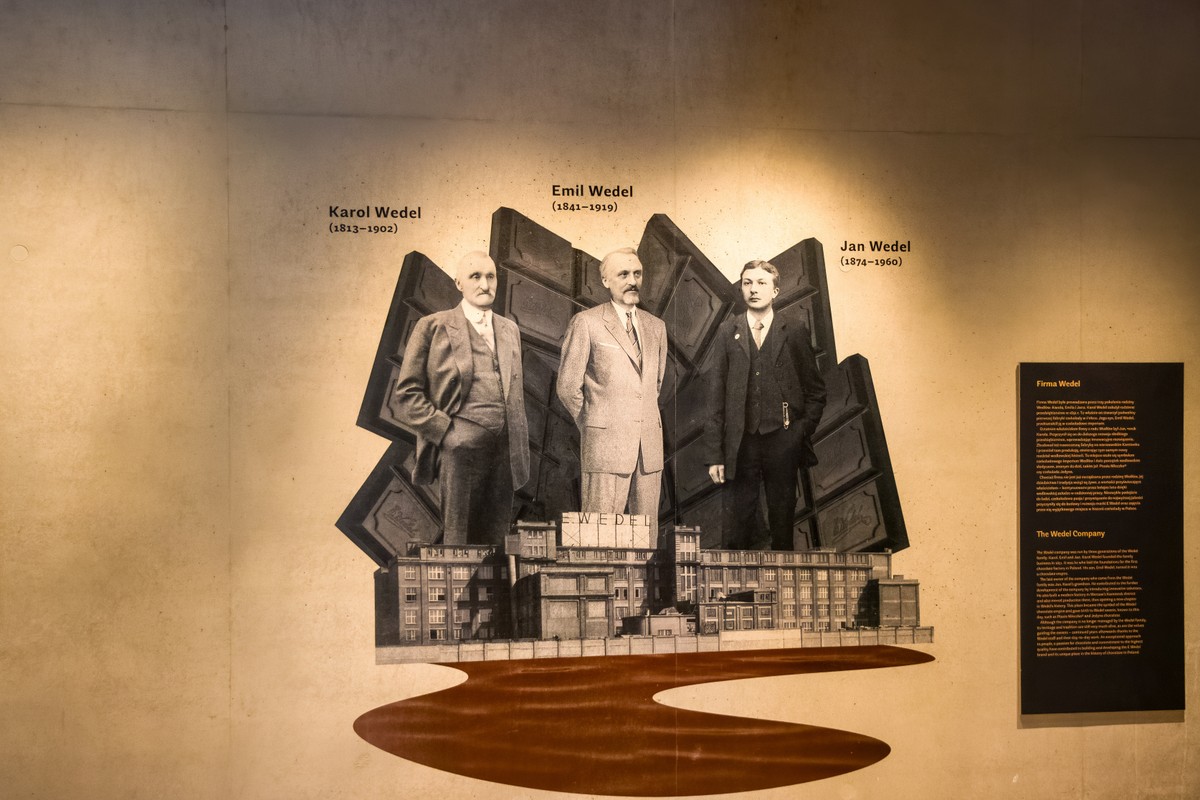
The Wedel family were pioneers long before the word “innovation” entered business textbooks. They were the first in Poland to send a plane with sweets to Europe and built a factory in Kamionek in Warsaw, which in the 1930s was considered one of the most modern in the country. They also understood the impact that supporting employees has on employee productivity, long before the discussion about employee well-being. What we call tradition today used to be the courage to step out of line.
— It's not about being futuristic. We don't pretend to be a start-up. We want to be a contemporary brand, emphasizes Krzysztof Bogacz. — Our strength lies in authenticity and quality, which are still valid today.
“Aunt Krysia” is also important
The biggest trap for heritage brands is getting stuck in the role of “Aunt Krysia's favorite brand” – the one that has been buying proven products for decades, but whose image does not attract younger generations. This is the risk of remaining a brand associated only with the past, with the generation of parents and grandparents.
– But we are absolutely not offended by Aunt Krysia – says Krzysztof Bogacz. — She has been with us for years, she knows every flavor of Ptasie Mleczko marshmallows and knows when the Christmas version will appear. Our task is not to replace her with a new consumer, but to find a way to introduce someone new to her, with whom she can share known flavors and discover new ones.
The Wedel company is looking for balance between tradition and modernity. Limited editions of flavors, new occasions to celebrate – such as the campaign with summer, regional flavors “between seasons” – and graphic refreshes. This is a way to maintain dynamics without alienating loyal customers.
The history and currency of trust
As he emphasizes Piotr Krynickicommunications consultant and partner at Okaeri Consulting, the company's story became real today non-financial resource.
— How a brand tells its past affects its credibility and customer decisions. In times of crises, uncertainty and inflation, we naturally look for stable reference points. And brands with a history provide just that: a sense of continuity, he says.
It is no coincidence that nostalgia is one of the strongest consumer trends today. Research shows that in times of crisis, people are more likely to reach for products and brands known from the past because they give a sense of security and continuity. They are a safe investment. Nostalgia is not an escape into the past – it is a way to find stable points of reference in a chaotic world. That's why retro collections are breaking sales records, and brands with a history can capitalize on this trend. But only if they can respond to contemporary needs, not just recreate the past.
Research by the PeterMayer agency shows that consumers they are twice as likely to trust brands with a history than the new one. But history is no guarantee of success – it can also be a burden. One wrong decision is enough to lose the image that generations have worked for.
Understand trends
In a world full of uncertainty, nostalgia acts as a balm. — Communication that refers to memories and rituals gives people respite, but it must have it modern sense – emphasizes Piotr Krynicki. — Vinyls came back not only because people missed the sound of the needle. They are back because they symbolize focus, calm and ritual – something that is missing in the age of algorithms.
This trend is growing especially among younger generations who, even though they do not remember the times before the Internet, miss tangibility and small, everyday rituals. Generation Z buys cassette tapes and analog cameras – not out of sentiment, but out of a need to experience something authentic in the world of digital filters.
When history inspires
The best brands don't reject their history – they transform it into a living dialogue with modern times. It's not about returning to the past, but about reinterpretation.
Levi's created the multi-year “Live in Levi's” campaign, which shows authentic user stories from around the world – from sessions with brand fans in New York, London and Tokyo, through “The Floor Is Yours” dance films promoting movement and passion, to initiatives such as the #LevisOpenCall casting engaging the community to co-create content. Each version of the campaign reminds us that Levi's jeans are witnesses of a life full of passion – but always in the context of contemporary values.
Lego avoided collapse because it treated its heritage as a starting point for co-creating products and values with fans – from LEGO Ideas collections based on community ideas, through franchise cooperation, to expansion into the digital world and adult collectors.
Mattel transformed the ancient symbol of perfection into a modern story about femininity and diversity. Starting with subsequent versions of doll heroines of modern times, ending with a film that deliberately confronts the criticism of unrealistic beauty standards and exposes the contradictions of the modern world. Effect? Over USD 1.4 billion in revenues, 14 percent increase in doll sales and a completely new brand definition.
The sensual dimension of tradition
The history of a brand is not a relic, but a raw material for creating a new identity. In Wedel's work, this idea has a literal dimension – the smell of chocolate from Kamionek it has become part of the city experience and a symbol of authenticity. It is a scent that subsequent generations remember from their childhood. This cannot be faked. It is these details – smell, taste, memories – that build an emotional bond that no new trend can erase.
The paradox is that brands that are considered “traditional” today have survived precisely because they once did they were revolutionary. They broke patterns, experimented and adapted to changes. So heritage does not mean stagnation, only skill constant reinterpretation. In a world where everything can be generated, real history takes on new importance. Culture attracts, quality of workmanship retains.


