Brussels promised “technological independence”. Meanwhile, one Beijing's decision may now paralyze the entire continent.
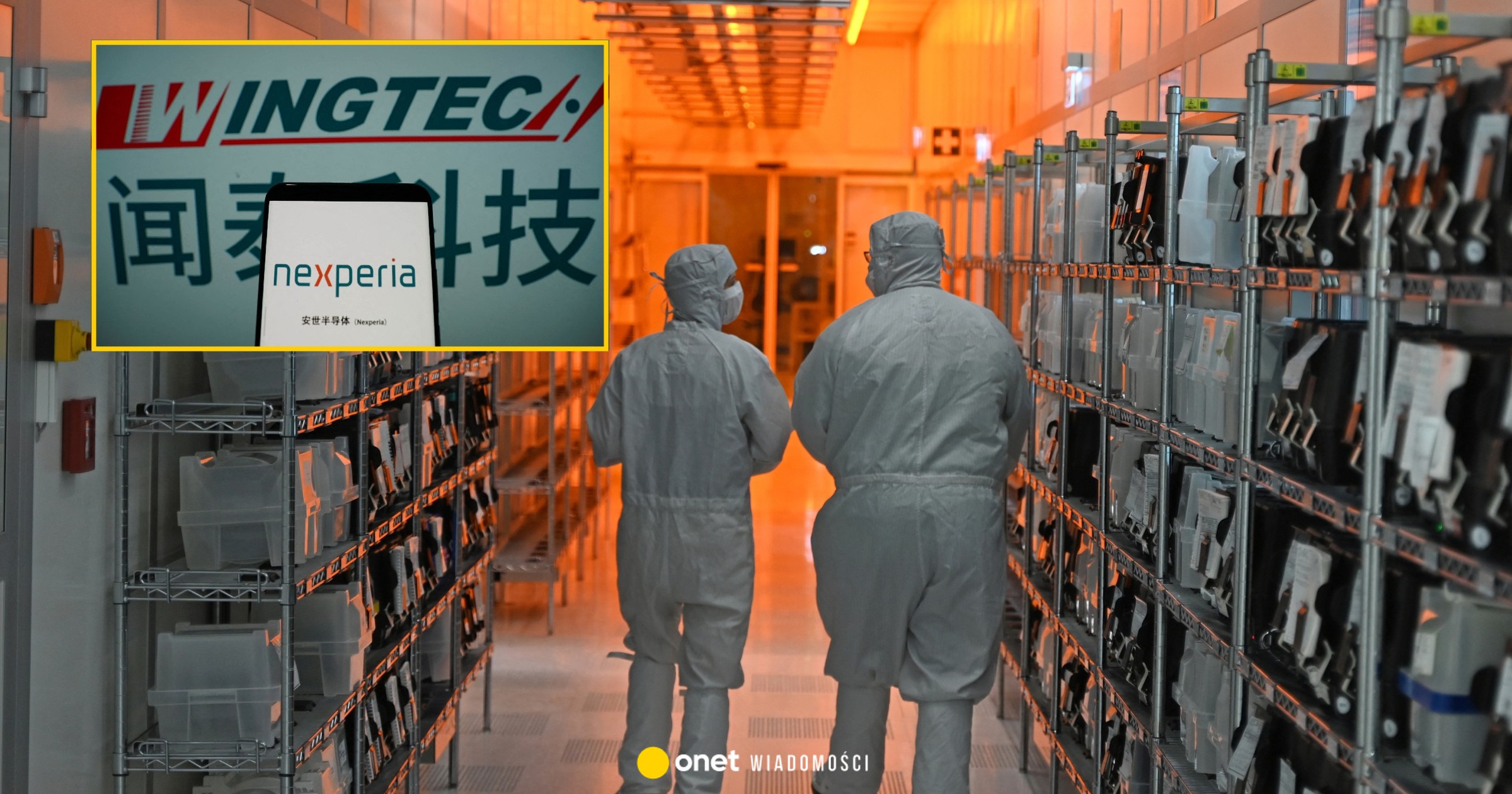
The geopolitical war over Nexperia – a Dutch-based but Chinese-owned company – is terrifying European carmakers. They are afraid they will stay without chips. Integrated circuits from Nexperia are used at all stages of car production: from airbags to multimedia systems.
Beijing is suspending key supplies and the situation is becoming increasingly serious – causing chaos in supply chains and potentially shutting down production lines.
— says a high-ranking official from the automotive industry in an interview with POLITICO.
Supplies of key integrated circuits from Nexperia, a semiconductor manufacturer and a subsidiary of Chinese Wingtech, are gradually decreasing. A few weeks ago, the Dutch government took control of the company, and both the US and China imposed export restrictions on it.
This shortage risks a repeat of 2022, when a shortage of microchips during the pandemic caused a similar production shutdown at car factories. Yet manufacturers have not taken any action to secure their supply chains against geopolitical changes, and the EU's plan to move some chip production back to Europe is far from achieving its goal.
The Dutch chipmaker, in a formal statement issued on October 9, warned its customers against “unexpected circumstanceswhich may affect the availability of certain products.
This warning resulted in a greedy rush for the chips that were still available by manufacturers and their suppliers – a kind of race for components.
It's like during the pandemic when people rushed for toilet paper
said a second automotive industry insider.
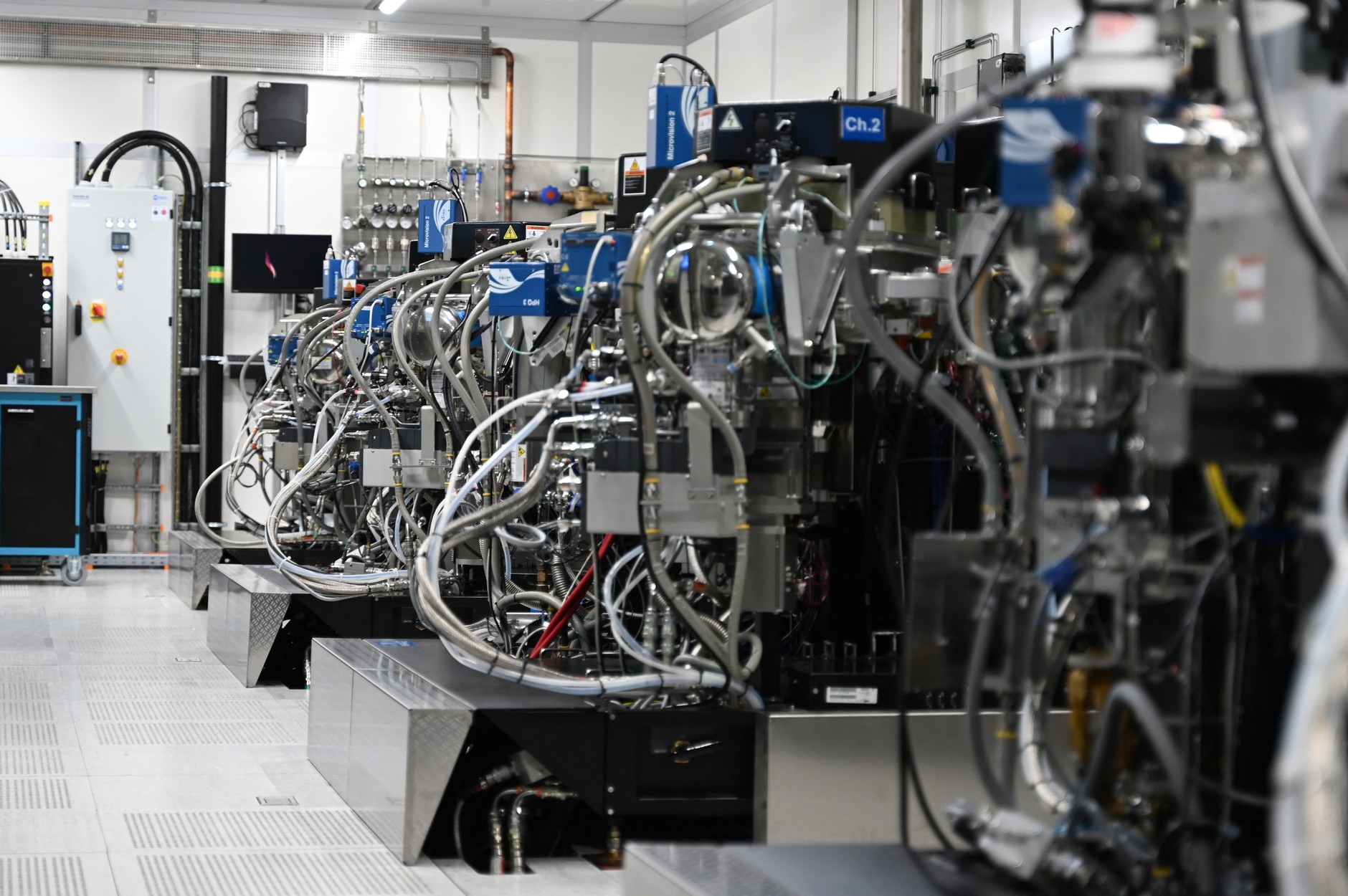
Plant of semiconductor manufacturer Nexperia. Hamburg, Germany, August 25, 2025DAVID HAMMERSEN / AFP
Top of the list
Due to the shortage in 2022, the EU has passed Chip Act. It was intended to reduce dangerous dependence on non-EU countries to produce advanced chips.
Three years have passed since then, but not much has changed.
This time, chaos began at the end of September, when the Dutch government decided to apply the national law of 1952. The aim was to take control of Nexperia, which was acquired by the Chinese company Wingtech in 2019.
The Dutch government was concerned that Nexperia's CEO and Wingtech founder was moving the chipmaker's technology and production assets outside the country.
The decision was announced the day after The US has expanded export restrictions on Wingtech and its subsidiary Nexperia.
Four days after the Netherlands took over Nexperia, the Chinese Ministry of Commerce imposed its export restrictions on the company, banning the export of components manufactured in China.
Today, chips are used almost everywhere – they are driving the ecological and digital transformation. Although the ones from Nexperia are not the most advanced, they have crucial for car manufacturers: a traditional car contains up to 500 chips from this company, and an electric vehicle up to 1,000.
China's export restrictions on chips, combined with control over rare earth magnets – an equally important component of vehicles – have pushed the Nexperia crisis to the top of Brussels' agenda.
The chip issue is of great importance for many aspects of our policy, especially the energy transition
European Commission spokeswoman Paula Pinho said on Monday.
She added that Industry Commissioner Stephane Sejourne raised the issue during a meeting with industry leaders the same day “to find out from companies whether there are shortages.”
Managing Director of Nexperia Achim Kempe. Hamburg, Germany, August 26, 2025DAVID HAMMERSEN / AFP
The information provided by the companies was included in a telephone call on Tuesday between EU trade chief Maros Sefcovic and his Chinese counterpart Wang Wentao. The next step will be an expected visit by Chinese officials to the EU to discuss export controls.
Companies have already begun to publicly discuss the potential impact of the situation at Nexperia.
Last week, the motoring lobby ACEA said it was “deeply concerned about the potential for serious disruption” in production. The group emphasized that chips produced by Nexperia can be replaced with components from other suppliers, but current stocks will be exhausted before it can completely switch to new parts.
German newspaper Bild reported that Volkswagen had warned its employees that potential production disruptions were inevitable.
— Nexperia is not a direct supplier of the Volkswagen Group. However, some parts are used in the components of our vehicles and are supplied to us by our direct suppliers. This does not impact our work at this time.
However, given the evolving situation, a short-term impact on further production cannot be ruled out
– a VW spokesman told POLITICO.
The article continues below the video
Brussels in panic
The Nexperia case and possible shortages have once again drawn politicians' attention the EU's dangerous dependence on microchips.
The European Commission announced this week that it plans to introduce a second chip law in the first quarter of next year, as part of a planned review by September 2026.
Currently, the bloc is far from meeting the goals of the first act on chips. It was assumed that the EU's share in the global microchip value chain would increase to 20%. by 2030 – approximately double the current share.
Still, both lawmakers and EU countries are calling for a second chip law.
“The European Chip Act 2.0 is under development. However, the Nexperia case shows that time is short” – wrote Herman Quarles van Ufford, senior policy expert at the European Council on Foreign Relations, on his blog on Wednesday, October 22.
I’m Ashley Davis as an editor, I’m committed to upholding the highest standards of integrity and accuracy in every piece we publish. My work is driven by curiosity, a passion for truth, and a belief that journalism plays a crucial role in shaping public discourse. I strive to tell stories that not only inform but also inspire action and conversation.