Although awareness campaigns have multiplied, many women are still influenced by myths about breast cancer. Doctors point out that the wrong information can lead to a delay in diagnosis and the neglect of essential controls. The canceruldesan.ro platform simply explains which are the most widespread false ideas and what, in reality, medical studies show.
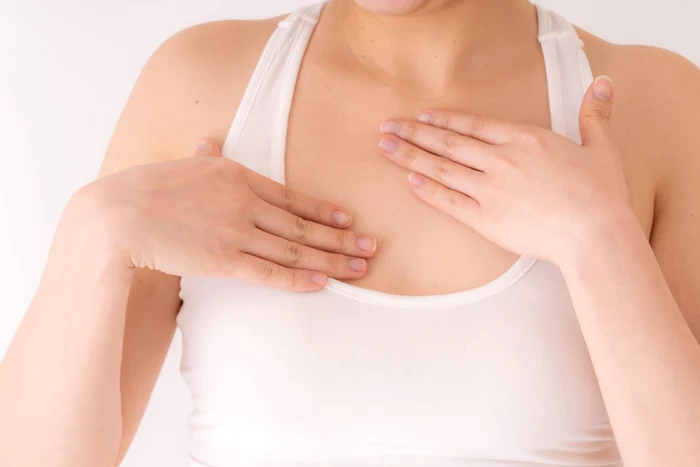
Many women are still influenced by myths about breast cancer PHOTO: Archive
There is nothing you can do to prevent breast cancer
False. According to specialists, about 90% of cases are influenced by lifestyle and environmental factors. Regular physical activity, a balanced diet, quitting smoking and limiting alcohol consumption can significantly reduce the risk of the disease.
Weight is unrelated to breast cancer risk
False. Weight matters, especially after menopause. Adipose tissue produces estrogen, and a high level of this hormone can favor the development of breast cancer. Overweight women have, on average, a higher risk of being diagnosed with this disease.
Breast cancer is inherited
True, but only partially. Only 5–10% of cases are caused by genetic mutations (such as BRCA1 and BRCA2). Otherwise, environment and lifestyle play a major role. Cases in the same family often occur because members have similar lifestyle habits, habits that can be changed, doctors explain.
You can have cancer without any symptoms
True. In many cases, the disease evolves for years without visible signs. That's why regular mammograms and check-ups are essential for early detection.
Breast cancer always appears with a lump
False. Although the lump is the most common symptom, other signs may occur, such as skin or nipple changes. Monthly self-examination and regular doctor visits remain important methods of monitoring.
After menopause, mammography is no longer needed
False. The risk increases with age. Two out of three cases of breast cancer are discovered in women over 55, experts warn. Regular screening is recommended throughout life.
Birth control pills cause breast cancer
Partially true. Research shows that risk varies by age and ethnicity. African-American women and those on the pill after age 45 may have a slightly increased risk, but there is no universal rule.
Men cannot get breast cancer
False. The disease can also affect men. More than 2,000 men are diagnosed annually and about 400 die from this form of cancer, according to medical records. Any change in the chest should be checked.
The exact causes of breast cancer are known
False. Although risk factors such as obesity or a sedentary lifestyle are identified, the exact causes of breast cancer are not known. Medicine continues to investigate the precise mechanisms that trigger the disease.
Breastfeeding reduces the risk of breast cancer
True. One year of breastfeeding can reduce the risk by up to 12%, experts say. The World Health Organization recommends breastfeeding until age 2 for benefits for both mother and child.
Women who do not give birth are more affected
True. Although the mechanism is not entirely clear, studies show that women who have not had a pregnancy or have given birth at an older age have a higher risk of breast cancer.
Breast cancer mortality is decreasing
True. Medical advances and early diagnosis have significantly reduced mortality. The death rate fell 27 percent between 1990 and 2005, according to medical statistics.
Breast implants increase the risk of cancer
False. International studies show that silicone is not carcinogenic. The only drawback is that implants can make it difficult to interpret mammograms, but they do not cause the disease.
Bra causes breast cancer
False. There is no scientific evidence for this. No difference in cancer risk was observed between women who wear bras and those who don't, the experts point out.
Breast cancer is the most common form of cancer in women, with 2.26 million new cases and 680,000 deaths annually globally. In Romania, over 12,000 cases are reported every year.
Early detection increases the chances of cure: 61% of patients are diagnosed at an early stage, and the 5-year survival rate is 95%. Approximately 70% of cases are detected by self-examination. Annual mammography after age 50 and breast ultrasound at younger ages are recommended.