Minimum wage, frozen in 2026: “Agreement in principle” in the coalition / What happens to taxes and fees


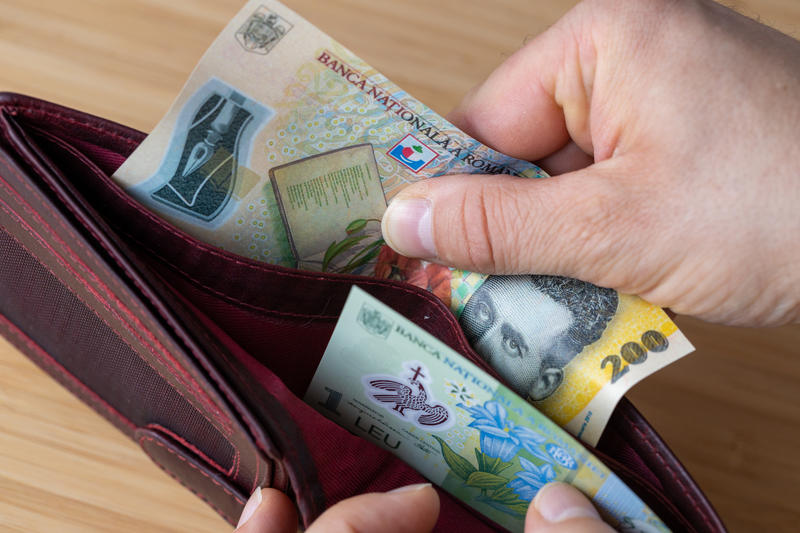
Money in the wallet, Photo: Rochu2008 | Dreamstime.com
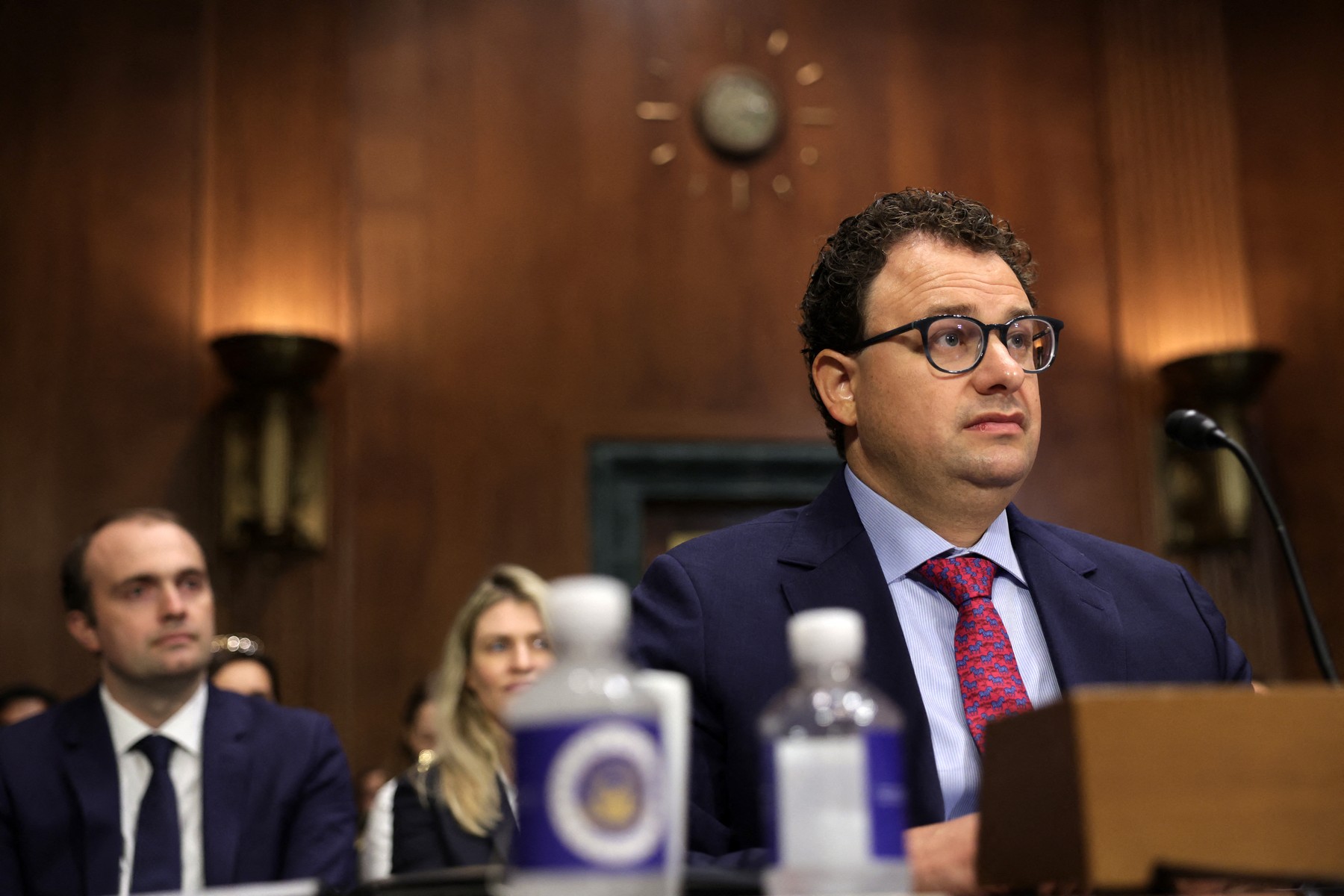
Prime Minister Ilie Bolojan announced on Thursday evening that the parties in the governing coalition have reached an “agreement in principle” that the current minimum wage per country (of 4,050 lei gross) will be maintained during the next year as well.
“I'm not saying that the minimum wage in Romania is likely to ensure special comfort. But it has some effects. We discussed in the coalition and by mutual agreement, I emphasize, we all agreed to try to keep the minimum wage at the same level, if the wages are capped”, said the head of the government, in an interview on Antena 3 CNN.
“The minimum wage is an element of discussion (within the coalition, no) during this period. On Wednesday, we convened the tripartite Council to discuss this aspect with the unions and employers”, he stated.
“Romania has transposed a European directive that allows the indexation of a minimum wage, which says that it is done every two years. In Romania, we transposed that it is done annually, according to certain indicators. If we were to change the legislation in accordance with the European directive, we would respect the directive,” Bolojan said.
Other clarifications about the freezing of the minimum wage:
- “Next year, in Romania, salaries in the public sector are capped. Given that certain salaries in the public or private sector are calculated on the basis of the minimum wage, any change has some effects that go head to head with capping.
- On the other hand, given that these measures have had a contractionary effect and companies have less room for movement, any additional pressure by increasing the minimum wage that is not based on competitiveness creates certain problems for certain types of businesses, in certain areas.
- We need to talk honestly with all employers and unions and see if there is a possibility of a minimum increase in the minimum wage.
- Consulting with several economists and they told me that the growth margin is very small… but we have to make some decisions that do not harm us economically. But this topic was discussed and there was an agreement in principle on this topic.“
The Prime Minister's statements came in the context in which the PSD has repeatedly announced, until now, that it opposes the freezing of the minimum wage in the country in 2026.
Employers have also asked to maintain the minimum wage at this year's level.
Duties and taxes
Instead, the head of government said that taxes and fees are no longer increasing.
“Those measures were adopted in the second package, but we must continue to reduce our expenses, we have no other possibility because regardless of who comes to government, we will end up with new increases in taxes and fees. We can no longer afford this, we must work on collecting expenses, combating tax evasion and bringing more people into the economy,” said Bolojan.
“Why do we have to stay with unemployment benefits for a year? When in most cities in Romania you have no one to work with,” the prime minister said.
“Armored contracts” at state-owned companies
In the same interview, the head of government criticized the managements of state companies, which he said have contracts “armoured”.
“The package capping allowances has only now come into force and only has effects for the future. All these managements are based on contracts that are sealed. And it's not a problem that someone earns well in a company, but if they do something to justify that money,” he said.
“If they have losses for years, it is abnormal to have stability in the management of those companies and performance bonuses. We used all the levers we had. (…) I will not approve budgets of companies with losses that do not have restructuring plans to reduce losses in the budget, which are included in the management contract. The relevant minister must ask for this reduction plan and the Ministry of Finance does not approve these budgets until he doesn't see the plan. Any economy that is made there means money saved by the state”, Bolojan also declared.
Money in the wallet, Photo: Rochu2008 | Dreamstime.com