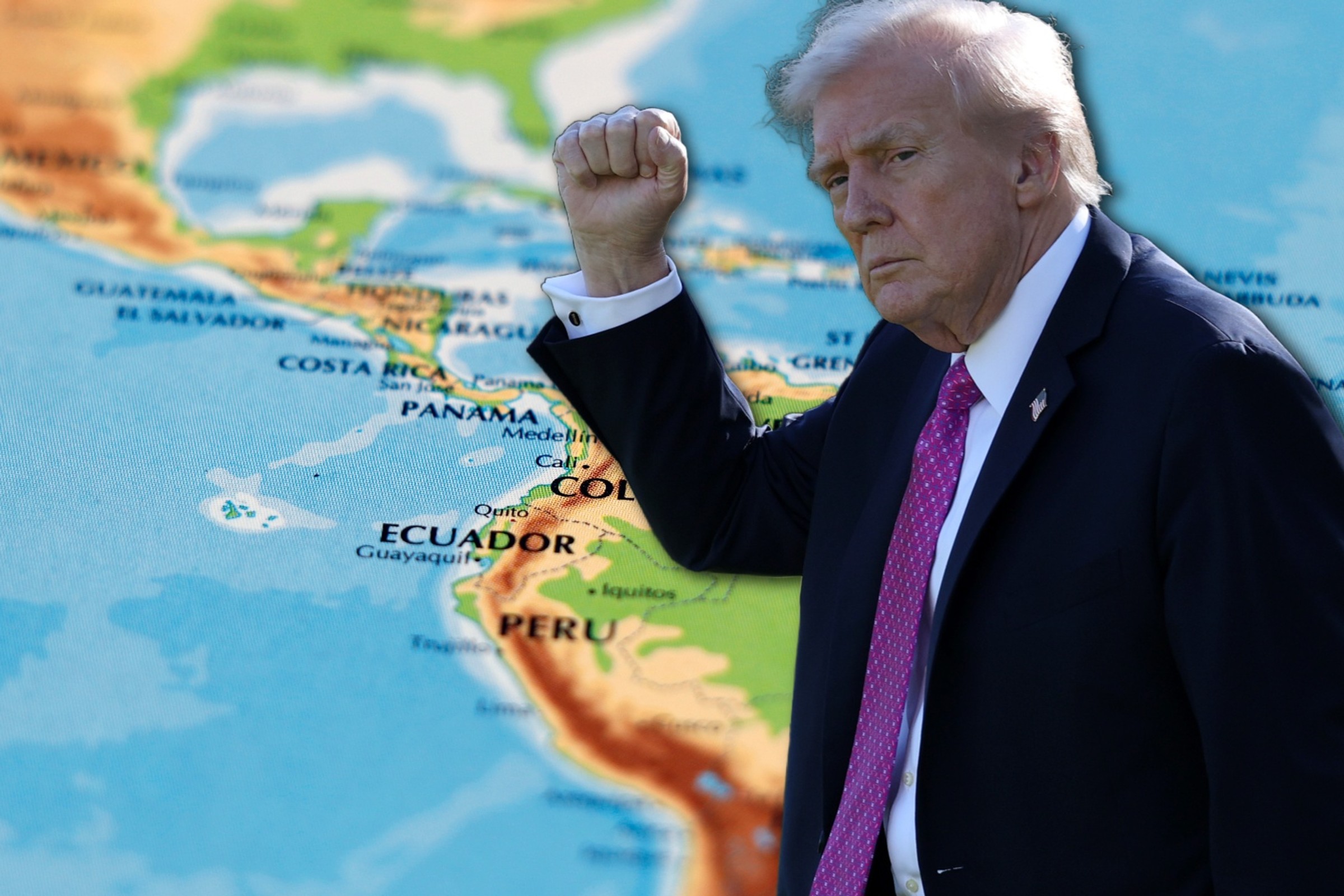
Previous attacks on ships suspected of drug trafficking have focused on the Caribbean and specifically targeted alleged smuggling from Venezuela, even though Colombia is a larger source of illicit drugs entering the United States.
“There will be no shelter or forgiveness”
The event came days after President Donald Trump called Colombian President Gustavo Petro an “illegal drug kingpin” and announced plans to impose tariffs on the South American country. The United States also halted the flow of foreign aid to Bogotá, much of which supported joint initiatives against drug trafficking and other efforts to strengthen security in Colombia.
Petro, a left-wing opponent of the Trump administration, consistently expressed concern about the growing US military presence near Venezuela and tried to organize regional opposition, which was blocked by Trump's allies in the region. He recently accused the American armed forces of murdering a Colombian citizen on a “fishing boat” after one of the attacks in the Caribbean.
Secretary of War Pete Hegseth, confirming this information in a post on the X social networking site, said that two suspected drug traffickers were killed in Tuesday's attack. The head of the Pentagon called those killed “terrorists.”
“Just as Al-Qaeda declared war on our homeland, so too the cartels have declared war on our border and our citizens” – wrote Hegseth. “There will be no shelter and no forgiveness – only justice.”
A radical change in the approach to cartels
The Trump administration has said its actions are mainly directed against the Venezuelan group Tren de Aragua, which the United States designated a terrorist organization earlier this year, but did not immediately indicate whether the latest attack was related to the group.
She also accused Venezuelan leader Nicolas Maduro of running a cartel known as the Cartel de los Soles, which has ties to Venezuelan elites and is seen as a significant partner in global drug trafficking networks.
Use of lethal force in the Eastern Pacific means radical change in the way America's military uses resources to fight the illegal drug trade.
The Coast Guard, which does not typically use lethal force, has been primarily involved in counterdrug operations in the region and has primarily handled traditional drug seizures and interdictions. The latest data shows that the coast guard has collected over 45,000. kg of cocaine and other drugs in the last two months.