Mosquitoes, discovered for the first time in a northern country. Experts want to know 'if they've really settled'


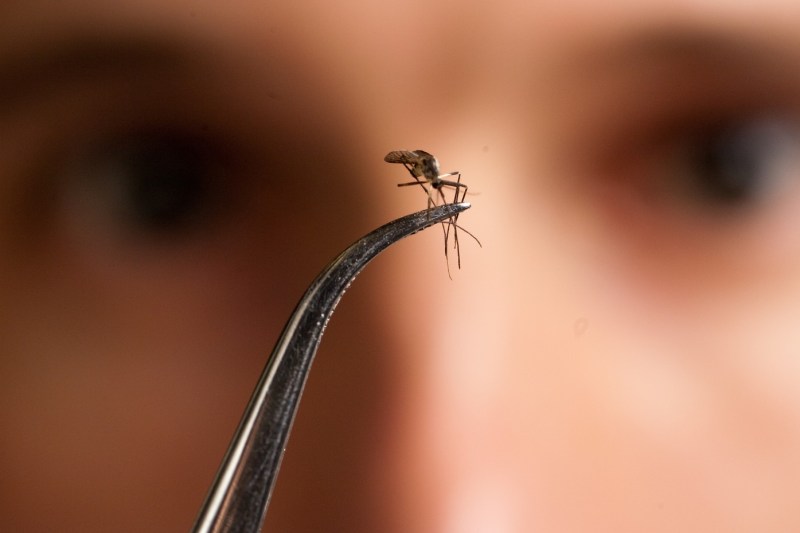
Mosquito Photo: Edwin Remsberg / VWPics / Profimedia
Three mosquitoes were discovered for the first time in Iceland, one of the few places in the world where these insects were not yet present, a local researcher told AFP on Monday, as reported by Agerpres.
The three mosquitoes, two females and one male, were discovered about 30 kilometers north of the country's capital, Reykjavik, said Matthias Alfredsson, an entomologist at the Institute of Natural Sciences in Iceland.
The insects were collected from wine-soaked strings designed to attract moths, he explained in an email. This method involves adding sugar to mulled wine and dipping strings or strips of cloth into the liquid before hanging them out in the open to attract sugar-loving insects.
All captured specimens belong to the Culiseta annulata species, he added. “This is the first observation of mosquitoes in a natural environment in Iceland. A single specimen (of the species) Aedes nigripes (the scientific name of the arctic mosquito – ed.) was collected many years ago in a plane at Keflavik airport. Unfortunately, that specimen was lost,” added Matthias Alfredsson.
The presence of the three mosquitoes could “indicate a recent introduction into the country, perhaps through ships or containers”, believes the Icelandic researcher.
The mosquitoes could spread to this island, but monitoring will be necessary in the spring to determine whether “they have really established themselves in Iceland,” he stressed.
Until now, Iceland was, along with Antarctica, one of the few places on our planet without mosquitoes. Climate change, rising temperatures, longer summers and milder winters have created a favorable environment for their spread.
But according to Matthias Alfredsson, climate change probably does not explain the discovery of the three mosquitoes in Iceland. “This species of mosquito seems to be well adapted to colder climates, mainly due to its ability to spend the winter as adults in sheltered spaces. This allows them to survive long and harsh winters when temperatures drop below zero degrees,” explained the same Icelandic researcher.