A key agreement between the US and Australia is overshadowed by misunderstandings. “I don't like you either”


It's about essential raw materials for production, among others modern defense systemsaviation parts and new generation industrial technologies. As part of the agreement, both countries are to invest USD 1 billion each. in the next six months in projects related to the extraction and processing of raw materials.
The article continues below the video
What minerals are covered by the US-Australia deal?
How much money will both sides invest in the projects?
What did Trump say about the amount of minerals in the future?
Why was Trump outraged at the Australian ambassador?
US-Australia Mineral Supply Agreement
A minimum price will also be established for the so-called critical minerals, i.e. key to the economy and security, the availability of which is limited. The White House announced that investments will be concentrated on deposits with a total value of USD 53 billion.
Trump on minerals. “You won't know what to do with them”
– In about a year We will have so many critical minerals and rare earth elements that you won't know what to do with them – Trump said after signing the agreement. Albanese described the deal as “an $8.5 billion investment pipeline that is ready to launch.” Pentagon, among others plans to build a refinery in Western Australia for gallium – a metal used, among others, in electronics, photovoltaics and military technology.
The U.S. Export and Import Bank (EXIM), the U.S. government's export credit agency, has issued seven letters of intent worth over $2.2 billion in total to implement key minerals projects in Australia. These include a range of raw materials and are intended to support the reconstruction of the American high-tech industry.
Reuters pointed out that the agreement signed on Monday is part of broader efforts by the US and Australia to reduce dependence on Chinese supplies of raw materials, and I am part of “counteracting China's domination in exports and ensuring the resilience of the Western supply chain.”
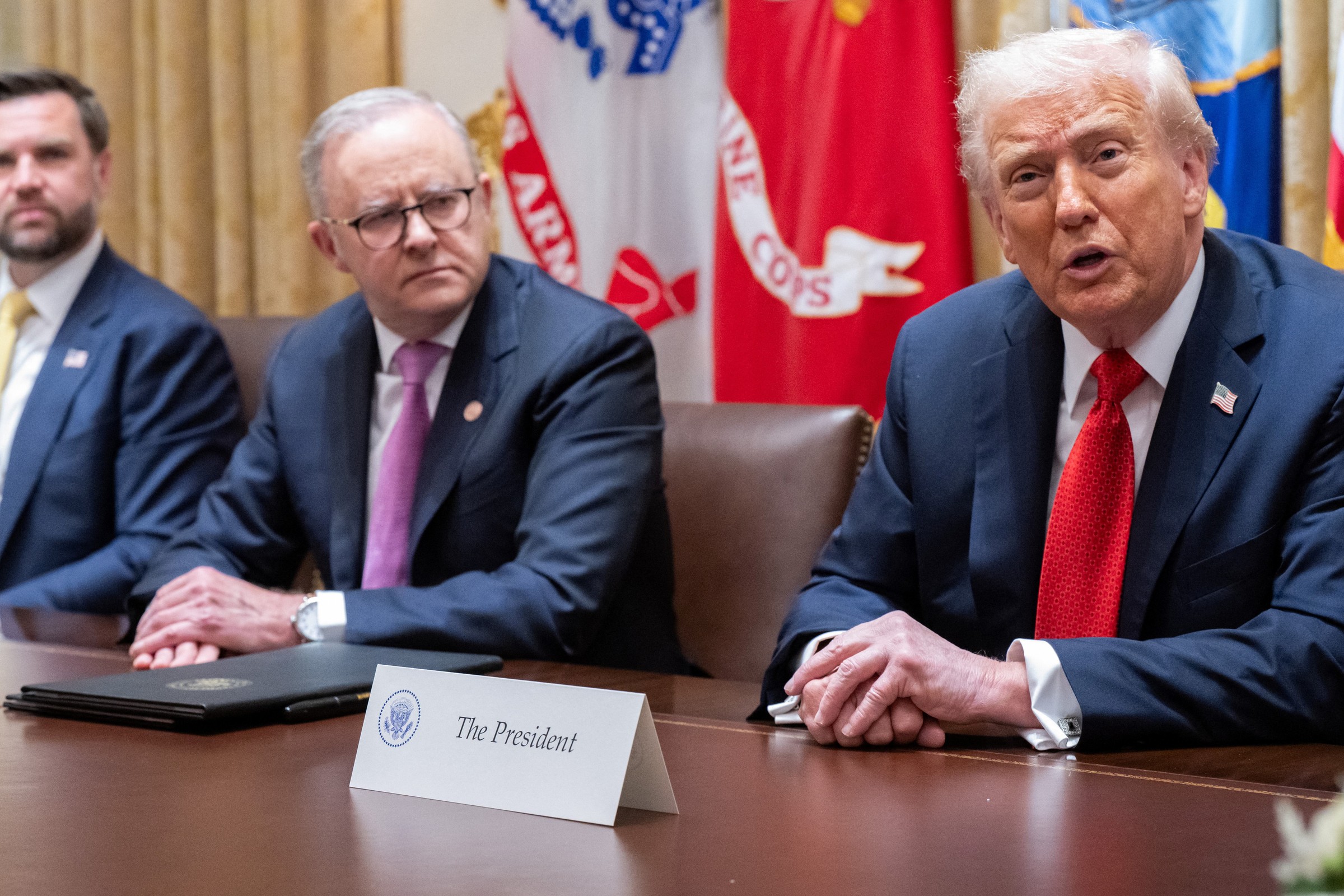
The agency also noted that while Trump and Albanese greeted each other warmly, the US president expressed outrage over criticism of him by Australian ambassador Kevin Rudd. In 2020, he called Trump “the most destructive president in history.” – recalled Reuters. On Monday, Trump asked where the ambassador was currently. When he realized that Albanese was with him, he said: “I don't like you either and I probably never will.”