
The EU is seeking support from member states for a maritime declaration on the inspection of Russia's “shadow fleet”.


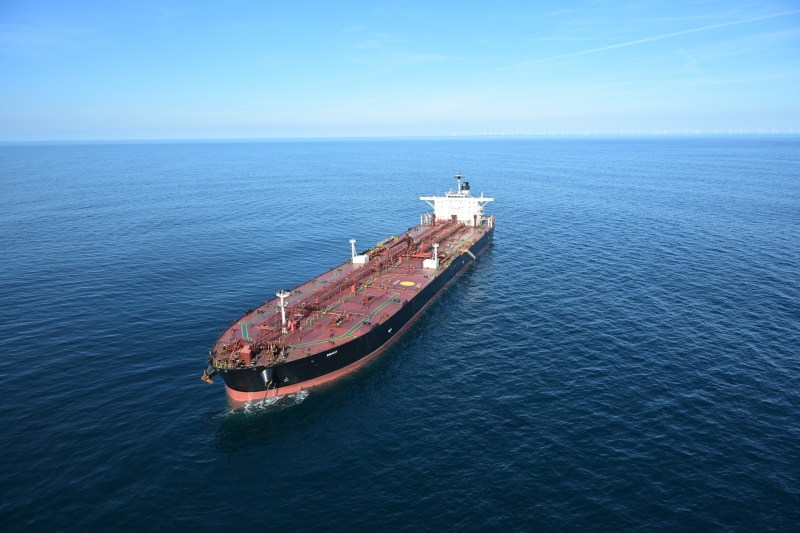
The Boracay oil tanker, suspected of being part of Russia's “ghost fleet”, anchored off the Atlantic coast near Saint-Nazaire, in western France, on October 1, 2025. PHOTO: Damien MEYER / AFP / Profimedia
The European External Action Service (EEAS), the EU's diplomatic structure, is urging member states to support a maritime declaration that would allow European countries to collaborate with flag states to carry out inspections of oil tankers in Russia's “shadow fleet”, according to an EEAS document, according to Reuters.
Strengthening inspection rights is the latest EU proposal to limit the oil and gas revenues Moscow is using to fund its war in Ukraine. Foreign ministers from bloc countries are due to meet on Monday to discuss new measures against Russia, among other topics.
In early October, the Group of Seven (G7) industrialized economies agreed to work together to achieve this goal and target countries that help Moscow evade sanctions, as well as those that have increased their imports of Russian oil.
“EU Member States are increasingly demonstrating renewed momentum for more robust law enforcement actions to counter the shadow fleet (eg France's action against the Boracay vessel, past actions by Estonia on the Kiwala, Germany on the Eventin and Finland on the Eagle S,” the EEAS document reads.
According to the document, the draft declaration proposes “possible bilateral agreements between flag states and the EU regarding pre-authorized boardings for inspections”. It is noted that an increase in false flag registrations also needs to be addressed.
Between 600 and 1,400 ships in 'Russia's shadow fleet'
The EEAS said estimates put the strength of the “shadow fleet” at between 600 and 1,400 ships. Brussels has already sanctioned more than 400 vessels, as well as entities that allow the fleet to operate.
Once the 19th package of EU sanctions against Russia is adopted – most likely in the coming week – the number of vessels targeted by the sanctions will increase to 560, and the deadline for the entry into force of the ban on imports of liquefied natural gas from Russia will be brought forward by one year, to January 1, 2027. The EEAS has specified that the EU bloc will also target oil tanker refueling services.
A key hurdle to adoption was cleared this weekend, with Austria reversing course and announcing on Saturday that it would agree to the sanctions package. Reuters wrote that initially Vienna wanted the EU to unfreeze some Russian assets to compensate Austria's Raiffeisen Bank International RBIV.VI for sanctions imposed by Russia.


