
A commune and three towns near Bucharest can become municipalities. The rank of several localities in Romania is at risk of being changed, according to an analysis by the Ministry of Development

The Minister of Development, Public Works and Administration, Cseke Attila, declared, on Thursday, in Sebeș, that, from his point of view, a lowering of the threshold is necessary in the case of the demographic criterion regarding the rank of cities and municipalities, an analysis showing that currently there are 205 such administrative-territorial units that do not comply with this criterion, reports Agerpres.
Asked, on Thursday, in a press conference, if there is a reclassification of localities that no longer meet a certain standard in terms of number of inhabitants to be a city or municipality, Cseke Attila said that a “strictly professional” analysis was done at the ministry level regarding the rank of localities in Romania, claiming that “no other criteria were taken into account”.
He mentioned that, in Law 351 – The National Territorial Planning Plan, there are some criteria that a city, a commune, a municipality must meet.
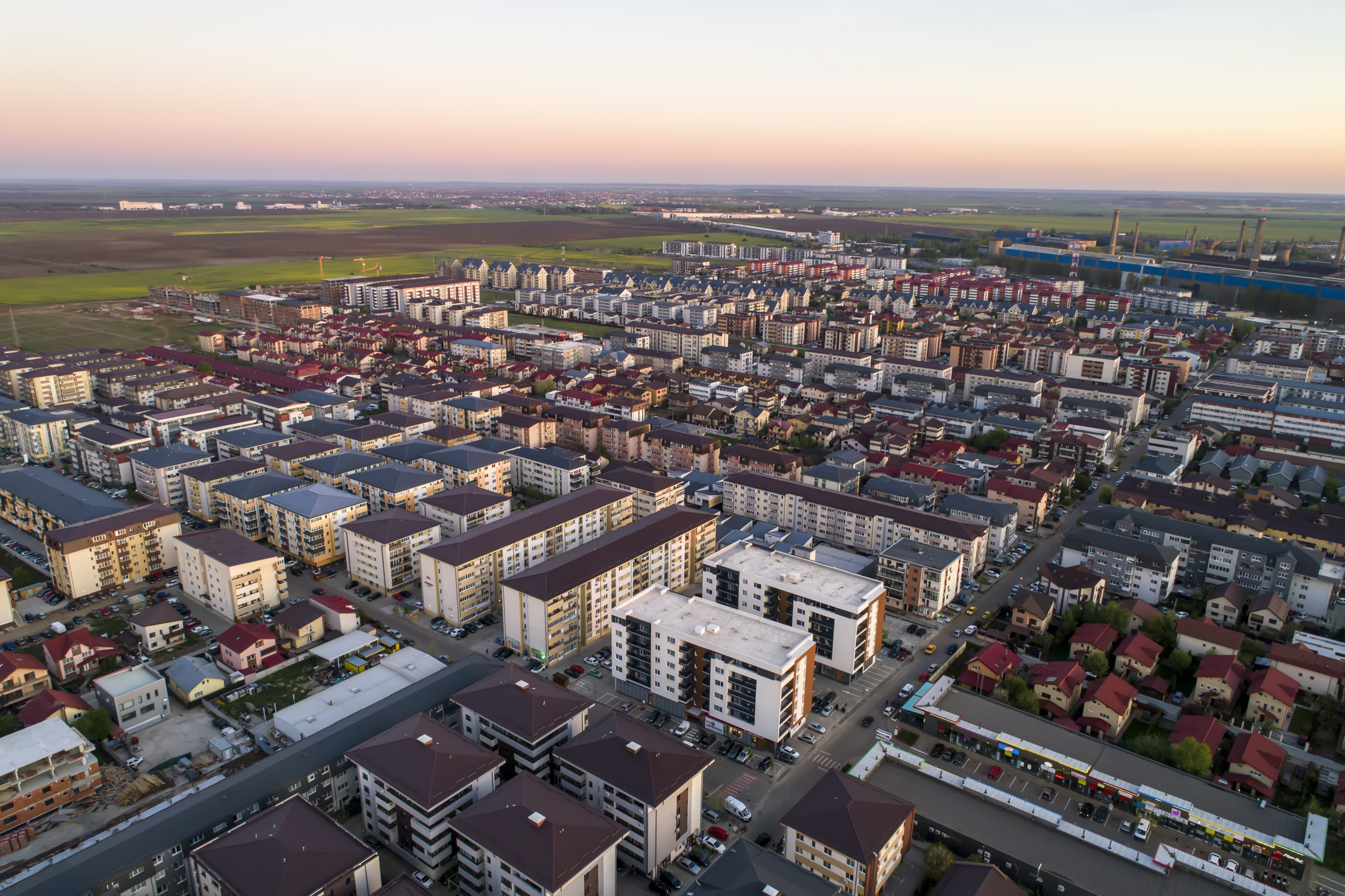
“Looking at these criteria and the data from the Population Census, because the main criterion refers to the population, we can see the following: out of 103 municipalities, 57 do not comply with this criterion, which today is 40,000 inhabitants for a municipality. In cities, out of 216, 146 cities do not comply with this demographic criterion which is 10,000 inhabitants. We also have 45 of communes today that have a number of inhabitants greater than 10,000, so it should reach the rank of city. Out of the 45, we have two communes that actually exceed 40,000 inhabitants, Florești and Chiajna, and they should reach the rank of municipality, and we also have three cities – Bragadiru, Voluntari and Popești Leordeni, in the metropolitan area of Bucharest, which today are cities, but have more than 40,000 inhabitants, so they should either the municipality seeing only strictly this demographic criterion”, explained the minister.
Cseke Attila added that this analysis will continue.
“If we look at the 25 years or 24 years since we've had these criteria in place, the approach from the point of view of national land use planning has not been a consistent approach. On the legislative side, yes, but I can tell you what happened in 2001, when these criteria were first approved. Until then we did not have such criteria. But from the moment the criterion was approved, we took an x-ray at that time and at that at the moment we had 13 cities and 13 municipalities that did not comply with the criteria from that time. Which criteria back then were not today's criteria. The criteria at that time were 5,000 inhabitants for cities and 25,000 inhabitants for municipalities,” he said.
The criteria changed almost two decades ago
In 2007, the criteria changed and the thresholds were raised to 10,000 and 40,000, which are still in place today.
“If we look at how we have evolved on this matter since 2001, then we can say that in 2001 we had 26 UATs that did not meet this demographic criterion, today we have 205 cities and municipalities that do not meet this criterion, while at the same time we have 48 communes that should go higher, as cities and municipalities. This analysis has been done, the analysis will continue, because no is the only criterion for determining the rank of a locality, and when we will complete the analysis and the other criteria we will come to the coalition to see after this analysis what is the decision and what is the way to approach this problem”, the minister said.
He stated that, from his point of view, at least at the current stage of the analysis, a lowering of the threshold, of the demographic criterion, is necessary.
“It is obvious that what was a perspective in the early 2000s, in 2025 it is another perspective, even if we also have examples where cities have increased in population, but it is not a majority trend and then if we look at the criterion of 2001, where we had 25,000 in municipalities and 5,000 in cities, even if maybe not so much, we will have to, in our opinion, we reconsider the criteria which are quite high today with 40,000 and with 10,000”, concluded Cseke Attila.
Photo source: Dreamstime.com


