Sterilization and hygiene in a tattoo salon: what does “autoclave” mean (and why should you be interested)


You chose your design, you found the area, but you still wonder how safe the procedure is? It's a good question. When we talk about Sterilization of tattoosthe “invisible” details make the difference between a beautiful result and an experience with unnecessary risks. And yes it is worth understanding what it is autoclavehow it works and what you should notice before you sit on the chair.
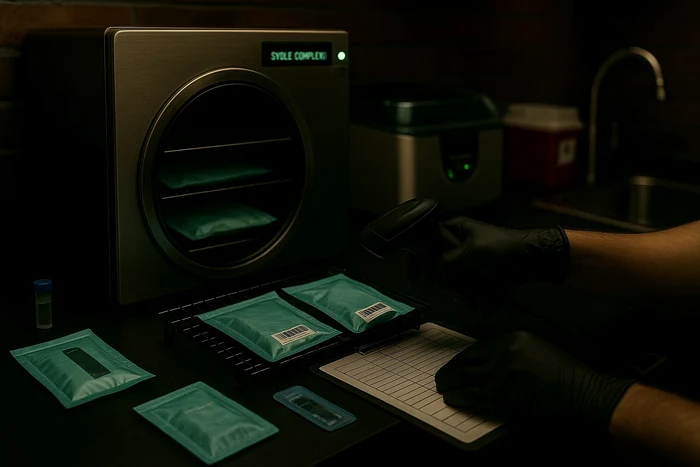
Let's be serious: a successful tattoo does not mean only clean lines and fine shadows. In the back there are hygiene protocols, protected instrumentation and sterile consumables. If you know what to ask and what to check, you are one step ahead. And Sterilization of tattoos It is not “obsession”, it is normal.
What is the autoclave and how it works (briefly, in your sense)
Autoclava is a device that sterilize by pressure under pressure at high temperatures (usually 121-134 ° C), destroying bacteria, viruses and spores. Think about it as the standard “gold” for reusable instrument. The process has a few stages:
●
Correct loading: The packages do not overlap chaotic; Steam must circulate.
●
Valid cycle: Temperature, pressure and time are set according to standards.
●
Sterilization indicators: chemical/biological, which confirms that the cycle has reached the parameters.
●
Traceability: Lot, date, operator. Any sterile package has a label, not “in the pile”.
If the salon can explain these stages relaxed, and the packages are clearly marked, it's a very good sign.
What does “sterile” mean vs. “Disinfect” (it's not the same)
●
disinfecting = Microbes have been reduced to a safe level for surfaces, but the destruction of spores is not guaranteed.
●
Sterile = eliminated any viable form of microorganisms, including spores.
For needles, nozzles, metal flu or other reusable components, Sterilization
It's the rule; For surfaces, chairs, cables – disinfection + protective barriers (covers, foils). And the “disposable” consumables come sealed and se I open in front of you.
What you check quickly, as a “inspector” for you
Before the session begins, look after:
●
Sterilized tagged packages (date, cycle, color shift indicator).
●
Sealed consumables (needles, nozzles, gloves) unfolded in front of you.
●
Visible barriers on the instrument (covers on the car, cables, bottles).
●
Disinfectant solutions in sight and disposable napkins.
●
Dedicated baskets for biological/stinging waste.
An authorized tattoo salon can show you the sterilized labeled packages, cycle indicators and traceability of consumables, without hesitation; If the information is missing or vague, it is a clear signal to reschedule.
“Tattoo sterilization” in practice: the correct route of the instruments
- Mechanical cleaning immediately after use (residue removal).
- Intermediate disinfection
according to the product sheets. - Packing for sterilization
(special bags, chemical indicators). - Autoclave cycle validated (time/pressure/temperature).
- Storage In dedicated, dry spaces, until use.
- traceability: the lot, the date, the operator are noted; Expired packages are restored.
And it looks a lot? It's natural. Good hygiene is the “boring” routine that keeps your tattoo beautiful and healthy.
What happens to the coughs and containers
●
Certified coughswith lot and visible validity term.
●
The caps (ink caps) They are disposable, placed on the tray covered with foil.
●
No cross -contained contact: Work with gloves, and the containers are protected by spray/spray.
If you see unmatched bottles or transfers “from bottle to bottle”, raise a question mark.
Aftering and hygiene at home: half of the result is to you
Proper sterilization in the studio does not exempt you from home responsibility. For clean healing:
●
The first 24–48 h: respect the indicated dressing/film; gentle washing, drying by tamping.
●
Days 3-7: does not snatch the bark; Avoid rubbing clothes.
●
2–4 weeks: light cream, without sauna/pool/hot baths; serious sun protection.
Do you have doubts? Ask for one written care plan; He has a serious studio prepared.
How do you recognize a professional “Setup” (fast checklist)
● The artist prepares his meal with covered tray + absorbing paper.
●
Gloves changed when it reaches something outside the sterile area.
●
Barrier foil on the car and cables; band on the clip socket, if applicable.
●
Disinfectant spray For surfaces, used before and after session.
●
Sharps container for ace/stinging needles at hand.
If one or two is missing, ask why. If all are missing … you better reprogram.
When to ask the “autoclave” question without embarrassment
Anytime. You can say simply: “I would like to know how you sterilize the instrument and if the autoclave has indicators/registers.” The answer should be calm, clear, with precise examples. Your question is not offensive – it's a sign that you respect yourself.
The specialist's recommendation
When analyzing a studio, think in two steps:
- Visual: Coherent portfolio in your style, “head-up” pictures, 1: 1 mock-up.
- Hygiene: Functional autoclave, labeled packages, sterile consumables, visible barriers, traceability. If both tick you are in the safe area. If he is missing the second, do not compensate with “go and so”.
Howto: The useful questions to ask the consultation
- “Use autoclave? What kind of indicators do you have for each cycle? ”
- “Open those In front of me? Can you show my packaging? ”
- “How protect the instrument – Foils/covers, barrier on cables? ”
- “What inks Use and how do you keep the lots record? ”
- “You give me writing plan (products, steps, prohibitions)? ”
Faq
Is the autoclave mandatory in any studio?
If reusable tools are used, yes – the authorlava is the standard for sterilization. Disposable consumables do not resterle, but are REPLACE.
Can I ask to see the sterile packages?
Of course. Should be LABELED with date and cycle indicator. Your request is normal.
Is it ok if everything is “just disinfect”?
Not for reusable instrumentation. Disinfecting
It's for surfaces; the instruments must sterilizer.
Why does the aftering matter so much?
Because it reduces the risk of complications and retains the clarity of the lines. It's half the result.
How do I know that coughs are safe?
Search for full label (lot, term), sealed packaging and use in disposable caps.
A nice tattoo starts with a good design but stays beautiful because of impeccable hygiene and correct sterilization. When you ask about autoclaves, sterile indicators and consumables, you are not “difficult”, you are responsible. And your skin will thank you over the years.
Photo source: Chatgpt