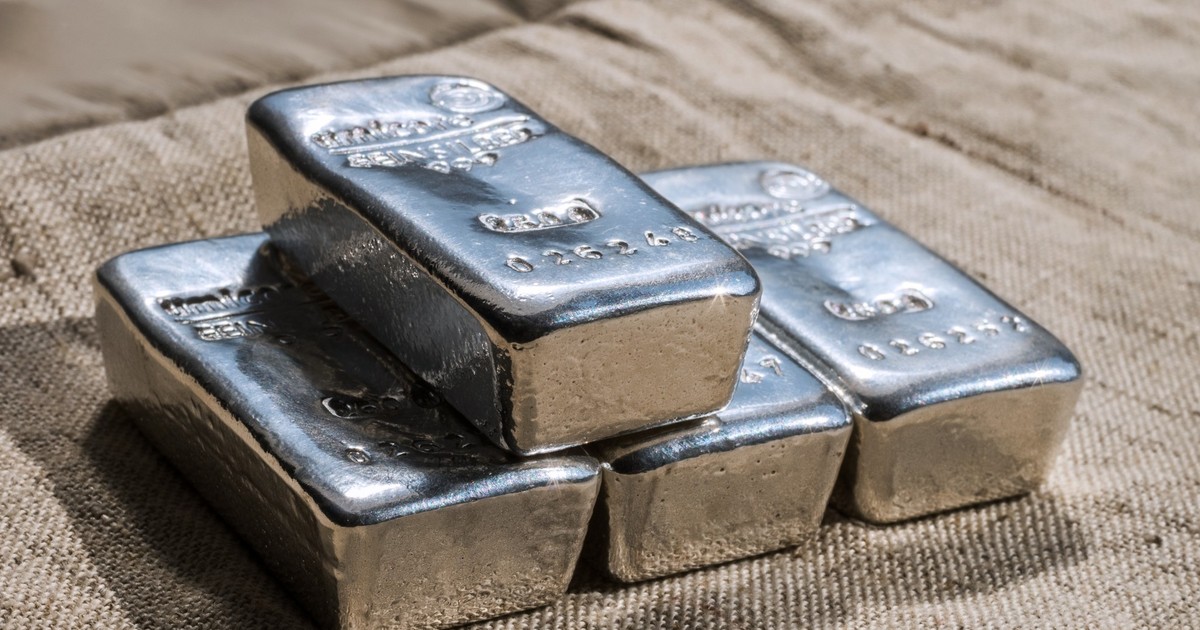
The current price of silver is approximately $51.9. per ounce on the spot market (XAG/USD). Valuations fluctuate throughout the day, but quotations around $51-52/oz are confirmed by both websites with current prices and sellers of investment metals.
The impetus for the breakout came not only from the growing safe haven of capital at a time of inflation, geopolitical tensions and the prospect of lower interest rates. The physical market in London – the world center of bullion trade – experienced a strong depletion of inventories following earlier shipments of metal to the USA, among others. fears of possible tariffs. This combination made it prices in London broke away from the quotations in New York, and dealers hurriedly collected metal for settlement.
A long-term bottleneck remains in the background: since 2020, there has been a supply deficit on the market, confirmed in annual industry reports.
Download for free Business Insider report and read the necessary information about gold:

Download the report
|
Matt. own
On the demand side, industrial applications play an increasingly important role: electronics, electromobility and – importantly – photovoltaics, whose demand for silver has at least doubled in the last decade.
Silver is doing great
At the same time, the record price of gold encourages some investors and jewelry buyers to choose a cheaper substitute, strengthening inflows to physical silver and metal-backed funds. With a much smaller market than gold, this may result in disproportionate price movements.
This mechanism, described today by the Wall Street Journal, explains why this year's silver growth has outperformed both gold and the main stock indices.
The outlook for the coming months remains hotly anticipated. Citi recently raised its short-term target for silver to $55. per ouncearguing that macro factors and the relative attractiveness of gold favor the continuation of the rally. At the same time, industry reports still indicate a persistent market deficit, although its scale may change with the response of secondary and mining supply.
However, there are many risks. At these price levels, some owners may decide to liquidate stocks from safes and collectionswhich has historically been a supply valve. A potential slowdown in solar PV or electronics could also cool industrial demand. Finally, the memory of 1980 is a reminder that with high leverage and sudden regulatory changes, even spectacular bull markets can turn sharply – although today's market structure is different from the realities of 45 years ago.