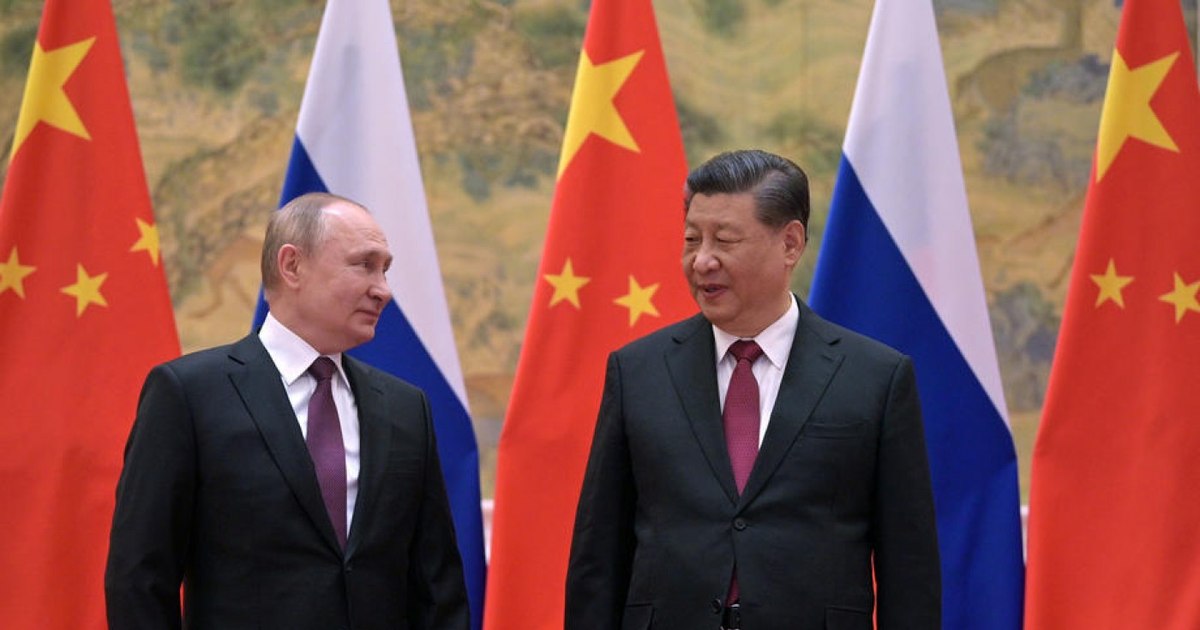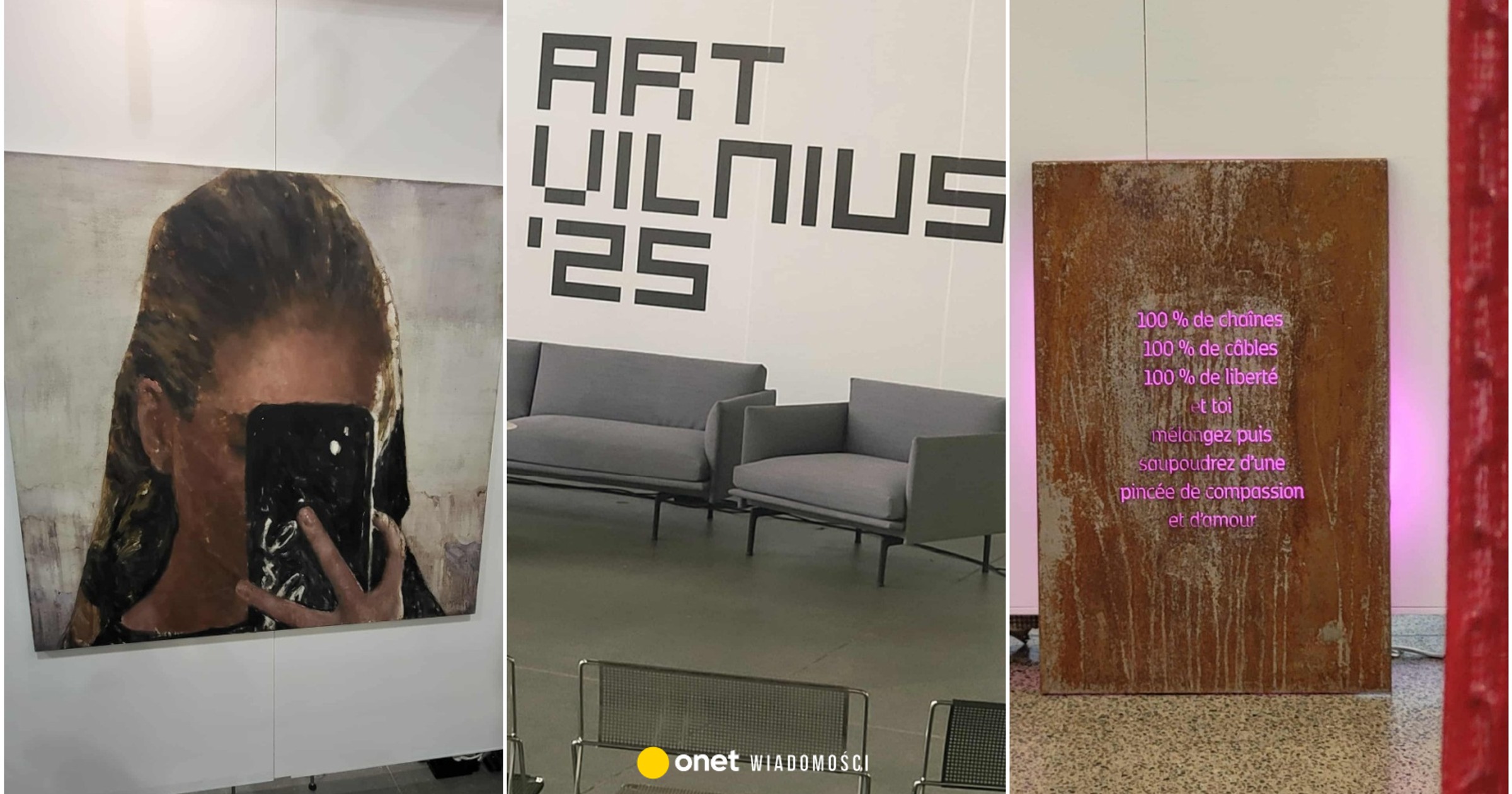
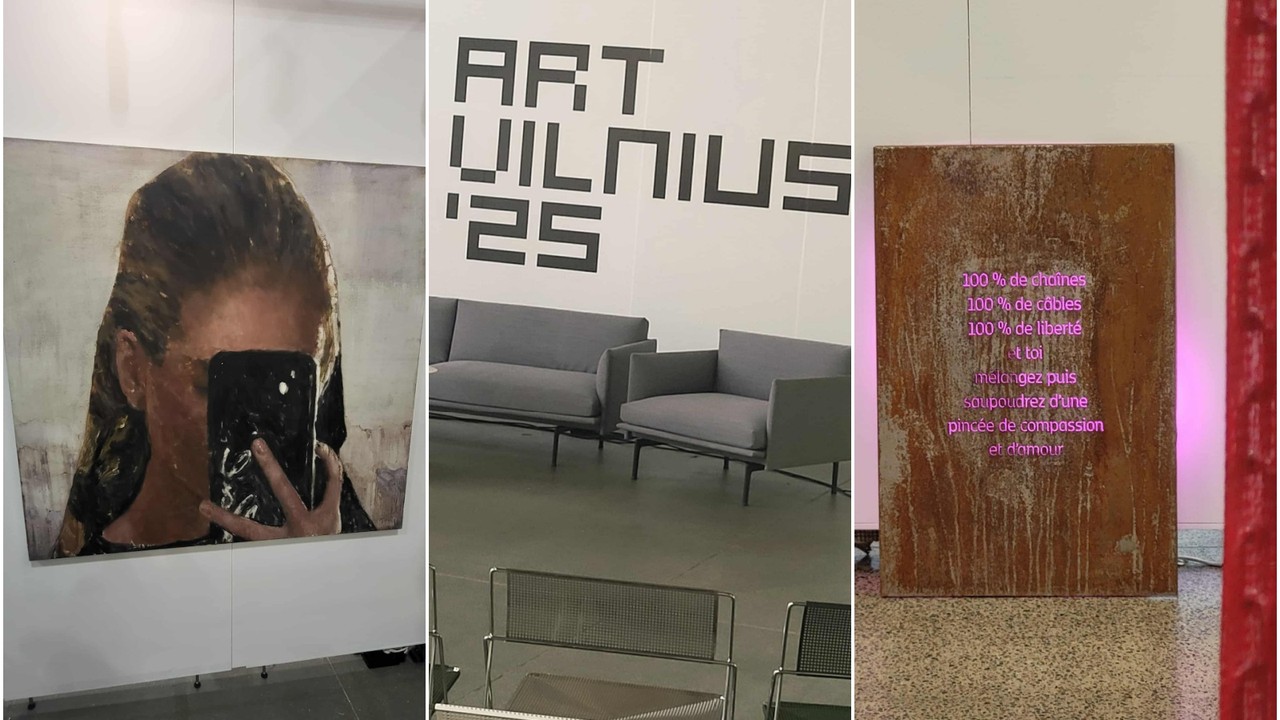
Vilnius Art Fair is an event enjoyed by the local scene, but also increasingly by an international audience. The Lithuanian capital is becoming an arena not only for galleries and collectors, but also for voices who demand that culture should not be detached from the real world.
Between a project and a conversation. Structure of ArtVilnius'25
ArtVilnius'25 this year focused on a topic that sounds simple but is difficult to understand: art collecting – the practice of collecting, creating private and institutional collections, both in the context of the Baltic Region and in a global window.
In Project Zone, selected private and institutional collections from Lithuania, Latvia and Estonia were presented. The zone was curated by: Maria Arusoo (Estonia), Inga Lāce (Latvia) and Sonata Baliuckaitė (Lithuania). It was a symbolic gesture emphasizing the regional sharing of narratives.
Outside, in the open-air space of Litexpo, various sculptures, performances and installations made up a composition-path – The Path, which seemed to provoke a walk, a stop, a conversation with matter, with the place, with oneself.
Every day, from morning to evening, the halls are bustling with art, conversations, negotiations, questions. The number of galleries, institutions and artists – over 70 from nearly 20 countries – and attendance ranges from 18 to 23 thousand every year. viewers.
This is not a classic art fair. This is the moment when the market comes into contact with criticism, when paintings and sculptures tell stories not only with their form, but also with their presence in the cultural space of the region.
While visiting the stands, I listened to conversations between gallerists, buyers and curators: they asked about the market prospects, whether collecting must go hand in hand with social responsibility, with the historical context, with memory. For many, this is a moment to ask what it means to “have art” in contemporary life.
Pictures that speak. A few threads that stay in your mind for a long time
In one of the galleries, I was attracted by a project based on migration and the feeling of the shore – works that seduce with a raw metaphor of the border, silence, breath. This is where risky becomes trivial – because a border, sea or coast can be both a physical and mental place.
“Project Zone” features collections that violate traditional hierarchies: private individuals buy avant-garde objects, institutions maintain a dialogue with the periphery. This is a reminder that collecting does not have to be a gesture of closure – it can also be a catalyst, a seething, an invitation to question.
Price/value systems, the potential of artists from smaller centers, the possibility of access to the market – these questions appear in almost every corner of the fair. ArtVilnius'25 is the largest (or at least one of the largest) contemporary fairs in the Baltic region.
In practice, this means both the logistic scale of Litexpo (12,000 sq m of internal space plus external space) and the city's aspirations to be an arena of art that not only presents, but also creates a narrative. But when the art world meets real politics, sometimes quietly, sometimes with crackles, a flashpoint emerges between aesthetics and power.
Culture at its end. A minister who failed to last a week
Before ArtVilnius'25 was buzzing with talks about collecting, there were protests and political tensions taking place on the streets of Vilnius: namely, Ignotas Adomavičius, an MP from the controversial Nemunas Dawn party, was appointed Minister of Culture.
Adomavičius took office on September 25, 2025, and within a few days he came under intense criticism. Charges? Lack of competence in the field of culture, controversial statements – including: refusal to make a clear declaration regarding the status of Crimea – and allegations of political influence on cultural institutions.
Within just a week, on October 3, Adomavičius announced his resignation as minister.
“For the sake of protecting my family and out of respect for the community and not to disrupt the work of the government, I am resigning.” – he said when announcing the decision. Prime Minister Inga Ruginienė had earlier announced that if the minister himself did not resign, he would be dismissed. However, his departure was not the end of the storm. As Gintarė Masteikaitė, one of the protest leaders, emphasized: “This is not the end. This is the beginning.”
Critics pointed out that the problem was not only the person, but the decision to put the Ministry of Culture under the control of Nemunas Dawn, a party without significant experience in the field of culture. The party applied to manage the Ministry of Energy, but Lithuanian President Gitanas Nauseda did not agree to this.
This conflict, which coincidentally coincided with the days of ArtVilnius, showed how fragile the boundaries between a cultural institution and political domination can be. In the context of fairs, artists and institutions, the question becomes: can art be a good free from particular political interests?
Protest of the artistic world. When culture sounds the alarm
The reaction from the artistic community was quick and loud. Throughout the country – from Akmenė to Druskininkai, from Klaipėda to Zarasai – there were protests against the government's decision to transfer the Ministry of Culture to the influence of the Nemunas Dawn party. Even though the minister resigned, the artistic community decided to carry out the planned activities. The demonstrations took the form of a warning strike. On Sunday, October 5 at 14 cultural institutions simultaneously played the symphonic poem “The Sea” by Mikalojus Konstantinas Čiurlionis – as a sound “warning siren” in defense of culture, democracy and freedom of expression.
In Vilnius, artists, museum workers, performers and art supporters gathered in various places in the city: in front of the MO Museum, on the Žvėrynas Bridge, and in front of the parliament.
Some dancers in the “Low Air” movement have turned their backs on “cultural destruction” as a show of resistance. At the Žvėrynas Bridge, members of the protest carried out a performance inspired by Munch's “The Scream” – a manifestation of emotion, a scream in silence when politics tries to silence art.
The banners read, among others: “Culture ≠ Corruption”, “Ministry of Nepotism – NO”, “The Sea is Not the Nemunas”.
The protests did not only cover Vilnius, they were nationwide. The organized manifesto entitled “This Might Be the Last Time” appealed to citizens to be active in defending culture as a common language, asking whether this is the last moment when we can still express culture together.
For the artistic community, it is not only a matter of the minister's personal identity. This is a question about the autonomy of cultural institutions, about nomination standards, about the future of free artistic thought in a country that tempts with centralization and political patronage.
Art and power. Reflections from the fair in the shadow of the protests
Behind the scenes of ArtVilnius, in conversations between stands, there were echoes of political tension. Some galleries feared that the sudden instability in the public sphere might scare off collectors or sponsors. Other artists wondered whether their exhibited works would be interpreted through the prism of the protests, as “political manifestos.”
When cultural institutions become the subject of political games, art loses one of its most important functions – to be a place of resistance, criticism and reflection – said one of the curators.
For many fair guests, this moment made them realize that art cannot exist in a vacuum – and that events such as ArtVilnius are more than just market exhibition. This is a meeting of communities, a moment of seeing. Not only images, but each other, from the perspective of social responsibility.
And although political crises can be fleeting, artistic memory lasts. Near the fair stage, in nightly conversations, artists wondered: will what is a protest today become part of the art world's narrative tomorrow? Will the audience who came to see the paintings also notice the silence that art often brings?