The Pentagon, defined by a great American publication: “Citizens have the right to know how the army works”


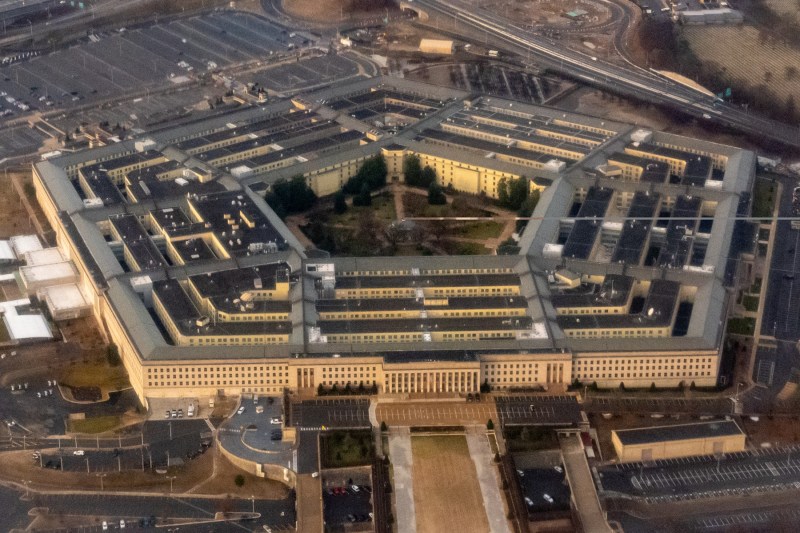
Pentagon, Arlington, Virginia. Photo: Profimedia
The American daily The New York Times refused to sign a document proposed by the US Defense Department that prevents media institutions from publishing unauthorized information if they want to have access to Pentagon's installations, informs EFE, taken over by Agerpres.
“The journalists from The New York Times will not sign the revised policy of the Pentagon on the accreditation of the press, which threatens to punish them for their routine activity to collect news protected by the first amendment,” said Richard Stevenson, the chief editor of the American daily, quoted in a press release.
Defusal refusal of The New York Times
The Pentagon announced in September that it will allow journalists access to its facilities only if they agree to not publish certain information, an unprecedented measure that gives the Defense Department a broad control over the broadcast content.
Stevenson has reiterated the newspaper's concern about this policy, which “limits how journalists can relate to the American army, which is funded annually with almost a trillion of taxpayers' money.”
“Citizens have the right to know how the government and the army work,” the journalist added, stating that his publication is dedicated to defending the public interest through “thorough and correct” reports and an “unwavering” pursuit of the facts.
As the Pentagon spokesman explained, Sean Parnell, in September, reporters must sign a statement by which they are committed not to disclose classified information or documents considered sensitive, even if they are not officially marked as secrets.
Parnell mentioned that the new rule will enter into force within two to three weeks and will apply to all the media institutions reporting on this department.
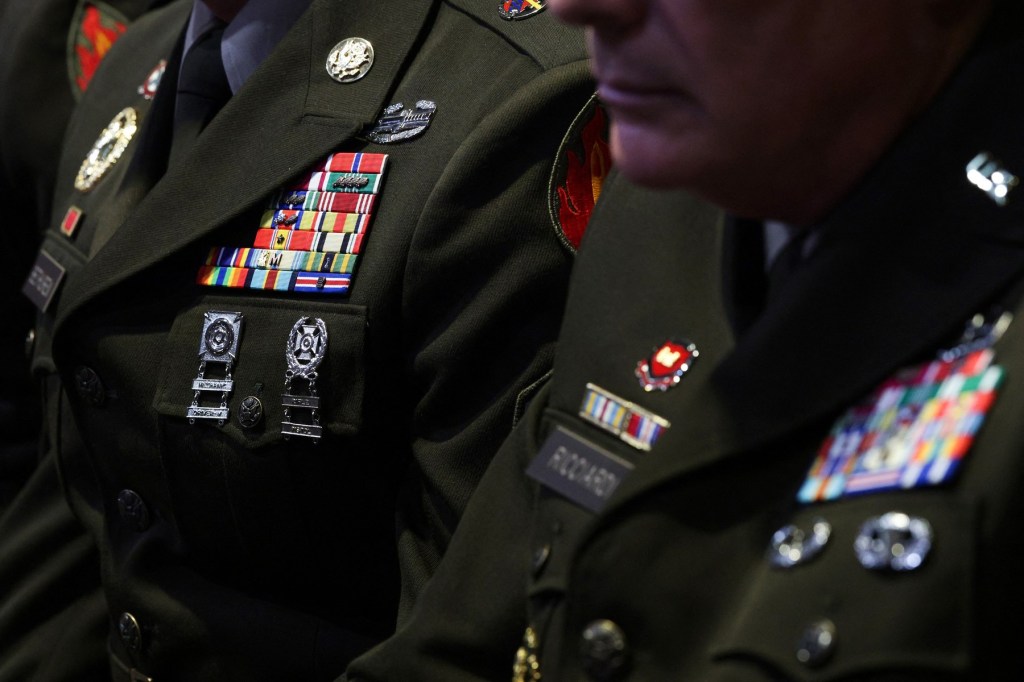 The Pentagon wants to impose new draconian rules, including large -scale testing with the lies detector, in the fight against “information leaks”
More restrictive conditions for the press
The Hegseth administration has organized very few press conferences in the main briefing room of the Pentagon – only six from January to now. Two of these took place immediately after the B-2 B-2 bombing attacks in Iran, from June. Previous administrations organized regular weekly press conferences, between the spokesman of the Secretary of Defense and reporters, to answer questions about military operations.
Hegseth interacted with reporters during some trips, although his office limited the number of journalists accompanying him, and these meetings have decreased in recent months. The chairman of the Committee of Chiefs of Staff, General Dan Caine, has not yet organized independent press conferences and did not take reporters on visits, as his predecessors did.
Hegseth's staff, at his order, gave many news organizations from the offices they had in the building and issued instructions to military services to reduce their media commitments.
More recently, the Pentagon has issued a requirement for reporters covering military news to sign an agreement to commit to not request or collect information – even not classified – who have not expressly authorized to be disclosed, the sanction for violating this agreement being the revocation of the press accreditation. Reporters have a deadline by the end of this month to accept these conditions.