
He is 64 years old and prefers risk to retirement. The crisis on the bicycle market only motivates her


Susanne Puello could retire and – after 45 years of shaping the bicycle industry – at least switch to horses. But her husband, Felix Raymundo Puello, with whom she works and whom she describes as a fierce manager, wanted to take another chance. In 2023, they were given the opportunity to buy their own bicycle brand, R Raymon, from the investor. — My husband slept through one night and said, “I want it,” Puello recalls today. Certainly not only because the brand was named after him…
“I was very hesitant,” the woman admits. However, after three nights and her daughter's persuasion, she broke down at the age of 62, she bought her own company, although the bicycle industry survives the biggest crisis in its history.
During the coronavirus pandemic, new sales records have been achieved time and time again. Manufacturers increased their production capacity until a record 2022. Some retailers were unable to meet the high demand. However, the durability of the trend has been overestimated – the boom has now turned into a discount battle. Dealer inventories have already doubled to 1.4 million bikes from 2023, while manufacturers struggle with excess capacity due to a collapse in demand. Nobody expects the situation to improve until 2026.
Puello says today that was aware of this at the time of takeover. — This is the worst crisis this industry has ever experienced. And this in an extremely unstable political and economic phase.
The article continues below the video
Moreover, the bicycle industry requires high financial liquidity. Before the season starts, dealers and suppliers must be pre-financed. So winter is always painfully long. But it was the crisis that motivated her to take responsibility again. Especially since the bike itself is not a problem for her. “The bicycle has no natural enemies,” he says. — He is mobile, balanced, healthy… and needed. After the crisis, we will continue to act, only differently.
A cycling dynasty with a hundred-year tradition
It's hard to expect a different attitude from Puello. She has already gone through several stages of entrepreneurship herself. She comes from a true cycling dynasty that stretches from her great-grandfather to her children. In 1921, Engelbert Wiener founded the Wiener company in his garage. Puello's father renamed it Winora and grew it to almost 700 employees and over 250,000. bicycles. But then a miscalculation occurred: rapid expansion eastward after German reunification.
It was one of her father's lifelong dreams, Puello recalls today. — I was 29 years old and skeptical. I told my father: “They want washing machines, dishwashers, cars, not new bicycles” – he recalls. It turned out that the daughter was right: the family went bankrupt with the takeover of the East German bicycle brand Mifa, and the company fell into trouble. Moreover, her father was in poor health. — And I was the only person who was fluent in business English. So I sprung into action. And after 14 months we started making profits again.
However, this was only possible thanks to the sale of the company to the Dutch Accell group — however, the family continued to run the company for about 20 years. With a lot of entrepreneurial freedom, as Puello explains today. And with innovative ideas. With the help of their supplier, Bosch, they developed a mountain e-bike.
“We can't let this go to waste.”
However, when the Dutch holding company came under pressure and the freedom of establishment within the corporate structure was threatened, the family finally decided to leave the Winora Group in 2017. Soon after, she started over with Pexco, another bike company of her own, which included the R Raymon brand.
Children also helped, such as daughter Christina Diem-Puello, who later founded her own e-bike leasing company, Deutsche Dienstrad. However, when the coronavirus pandemic broke out in 2020 and with it the bicycle boom, Susanne Puello quickly realized that she couldn't keep up with the increase in demand on her own. So in 2020, the family decided to sell the company — and just three years later, buy back the R Raymon brand.
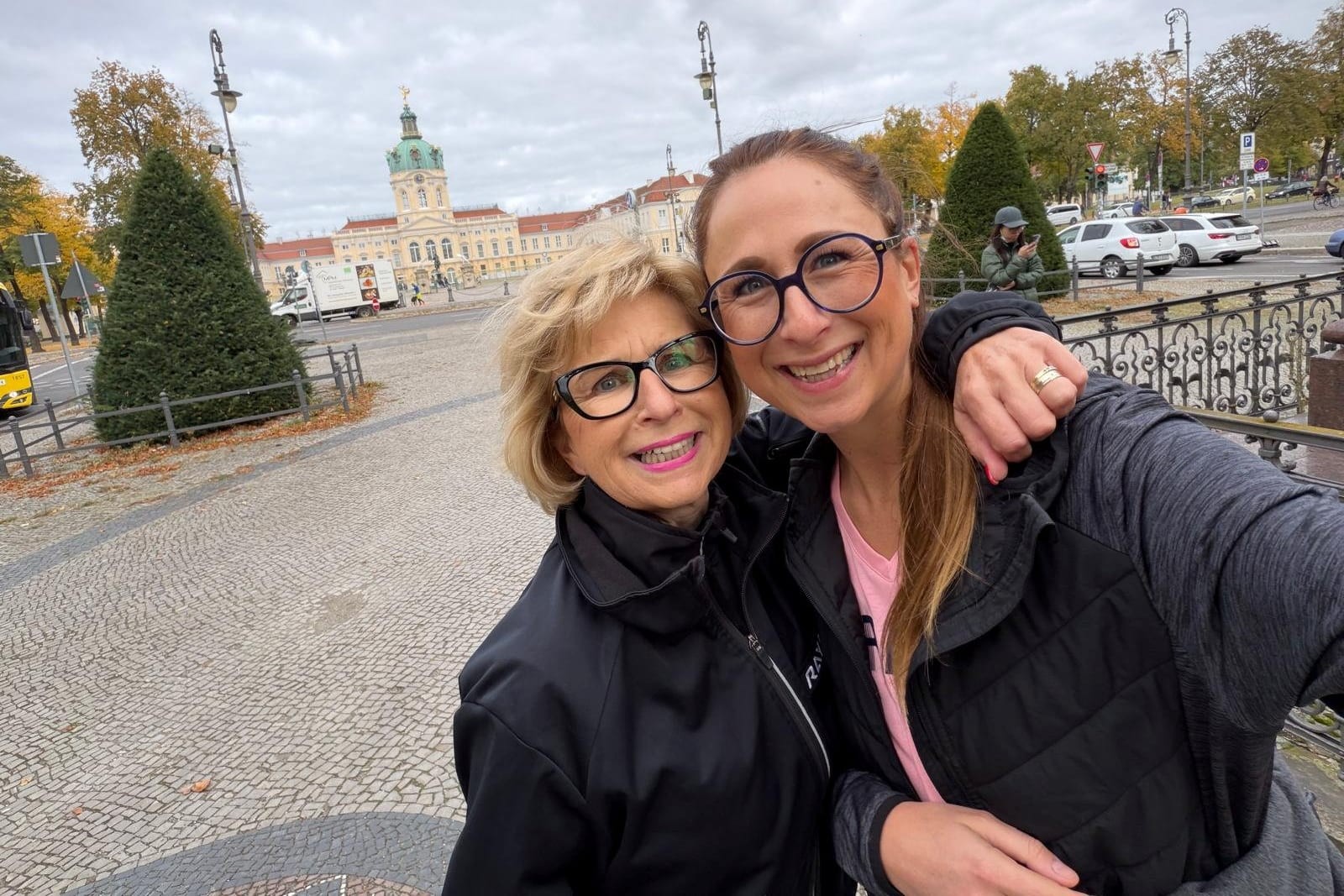
Entrepreneur Susanne Puello with her daughter Christina Diem-PuelloSusanne Puello / Die Welt
Three new beginnings in just over three decades—and three times Susanne Puello took on new responsibilities and risks. While others are discussing lowering the retirement age to 63, Puello, at 64, is still not done with being an entrepreneur. She also advised her daughter on the founding of Deutsche Dienstrad and, she says, was motivated by her to take over the company again.
In the face of the constantly growing number of companies that cannot cope with succession, the Puello family seems almost a unique phenomenon. — Entrepreneurship in Germany is at a point where many families are unable to find a successor, says Susanne Puello. — But there is so much knowledge and energy in these companies. We can't let this go to waste.
The key to success? Intergenerational strength
He explains his own model with mutual trust. “We are an entrepreneurial family and we support each other,” he says. They talk openly about everything, and at the same time everyone has their own area. She herself focuses on management and sales, her husband on product management, and her daughters on public relations.
He says he takes a similar approach within the company itself, where he no longer makes decisions immediately, but listens and sometimes relies on majority rule. Especially in digital areas, where he trusts younger workers more.
— We, the elderly, have endurance, a sense of reality and experience in crisis situations, he emphasizes. — Young people have access to digital technologies and the pace and fearlessness with which they try things. These two things together are unbeatable.
Over the years, however, Puello also noticed changes in Germany. Both in the field of recruitment and in Germany as a business location. “We're losing courage,” he diagnoses. — Instead of promoting, we regulate. Instead of trusting, we control.
For the situation to improve again, Germany must break this cycle. “Performance needs to become a clear KPI again and be rewarded,” says Puello. — Not only financially, but also through trust and room for maneuver.
However, he also criticizes other companies and SMEs that have difficulty finding young and motivated employees. “Young people want to work, but in a different way,” he says. The figures confirm this change: according to an EY study from 2024, only 18 percent German workers are considered “highly motivated”while 28 percent he works only as he must. This number is even higher for Generation Z.
For Puello, this does not mean that the younger generation is lazy. — They want meaning, flexibility and impact. If we take this seriously as entrepreneurs, we will regain an incredible amount of energy.


