Russia uses oil tanks for sabotage and recognition, Zelenski accuses: “Recent cases of drones are such an example.”


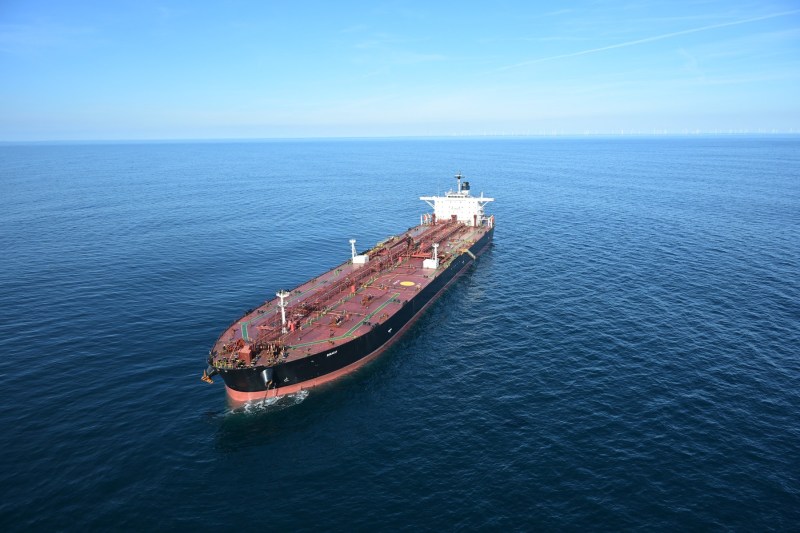
Boracay oil, suspected of being part of Russia's “ghost”, anchored off the Atlantic coast, near Saint-Nazaire, in western France, on October 1, 2025. Photo: Damien Meyer / AFP / Profimedia
Ukrainian President Volodimir Zelenski accused Russia on Tuesday of using oil tanks for information and sabotaging operations, Reuters reports.
In a post on Telegram published after receiving an update from the head of Ukraine's external secret services, Zelenski said that his country cooperates with allies in this matter.
“Currently, Russians use oil tanks not only to earn money for war, but also for recognition and even for sabotage activities. It is perfectly possible to end this situation,” said the leader from Kiev.
Subsequently, in his video speech addressed on Tuesday night to the nation, Zelenski said that the head of external secret services, Oleh Ivaşchenko, described in his report how Russia uses its oil tanks in the “ghost fleet” to “carry out sabotage and destabilization operations in Europe”.
“The recent cases of launching the drones on the tanks (oil, no) are such an example,” he said.
“We share this information with our partners and it is important that their response to Russia will be real,” Zelenski added.
At least five oil tanks in the so-called “ghost fleet” of Russia-ships used to circumvent Western sanctions-intentionally caused oil leaks in European waters, an investigation made by Politico and the group of journalists from Sourcematerial on Monday.
Russia began to use the “ghost fleet” – a network of old oil tanks, without owners or transparent insurance – after G7 countries have imposed a price ceiling for Russian crude oil exports, in response to the invasion of Moscow started in February 2022.
According to the maritime data company Lloyd's List Intelligence, Russia's ghost currently has about 1,300 ships. Their activities were associated with the deterioration of the underwater infrastructure in European waters, in addition to oil discharges.
The European Union included 444 oil tanks on the Black List that were forbidden to access in EU ports and to Western insurance services, while the United Kingdom placed about 450 vessels under sanctions.
Citing satellite images obtained from the Non-Profit Skytruth organization and shipping data from the KPLER analysis platform, the journalistic investigation revealed that the ships continued to operate largely after they have discharged oil near the coasts of Europe.
Two of the ships were already subject to British sanctions when leaks occurred.
The Minister of Energy in Latvia has qualified the incidents as “a huge problem”, warning that Europe “is lucky at this time that there is no ecological catastrophe.”
A spokesman for the British Foreign Ministry described the ghost fleet as “a desperate and dangerous attempt” of Russian President Vladimir Putin “to cling to his oil profits and to pollute the sea.”
At the end of last week, the oil in the Russian ghost fleet intercepted and seized by France was allowed to resume, apparently to its established destination, after several days of investigations in the “restriction policy” desired by the French president Emmanuel Macron against the ship AFP reported.
On October 1, the French military climbed on board the Boracay oil.
This oilman, sailing under the flag of African State Benin, has changed his flag and name several times (which is currently “Pushpa” or “Boracay”) and is on the list of European sanctions.
The ship is suspected in addition to involvement in the recent mysterious appearances of drones in the area of airports and military bases in Denmark.
The specialized site The Maritime Executive wrote that this oil could have served as a “launching platform” of drones in the Baltic Sea or as a “bait”.